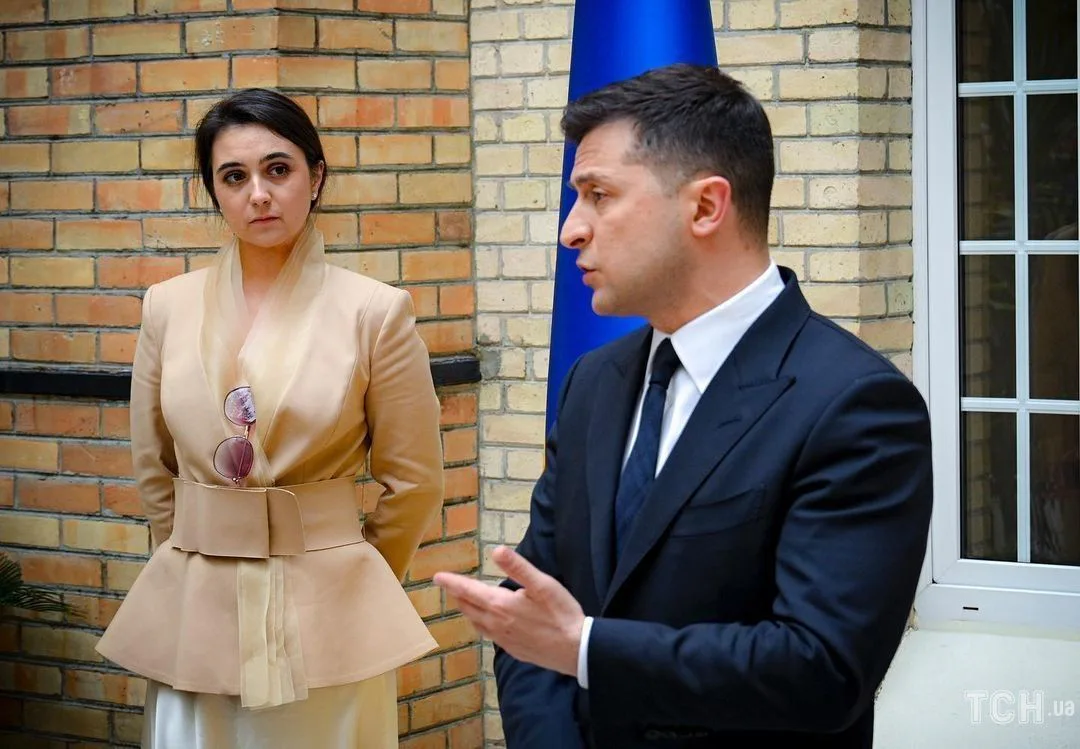
Discussions about "sanctions fatigue" in the European Union appear regularly — especially ahead of each new package. This time, Ukraine's Presidential Envoy on Sanctions Policy Vladislav Vlasiuk decided to address them directly.
According to him, discussions within the EU regarding the scope and content of sanctions represent a normal negotiation process, not evidence of cracks in consensus. "There are disagreements, but they exist in any negotiations. This is not a split," Vlasiuk argues.
Practical result: the 21st sanctions package against Russia is expected this week. At the same time, according to Vlasiuk, preparations for the 22nd package have begun.
What really stands behind "fatigue"
The thesis about fatigue does not emerge from nowhere. Hungary systematically blocks certain decisions, a number of countries lobby for exceptions for their own businesses, and sanctions restrictions are regularly circumvented through third countries — Turkey, the UAE, Kazakhstan. Each new package becomes the subject of longer negotiations than the previous one.
Vlasiuk does not deny the existence of these difficulties, but insists: the number of packages itself is an argument. Twenty-one rounds are not a sign of a system falling apart.
Effectiveness — a separate question
Counting packages and counting the impact on the Russian economy are different things. The International Monetary Fund has revised its forecasts for Russia upward several times, acknowledging that adaptation proved faster than expected. This does not remove sanctions from the agenda, but raises a specific question about their architecture.
While the 21st package has not yet been announced, it remains unclear whether it contains mechanisms to close circumvention schemes — or whether it merely amounts to expanding lists.
If the 22nd package does not include enforcement tools for third countries, does it make sense to count packages as an indicator of pressure?