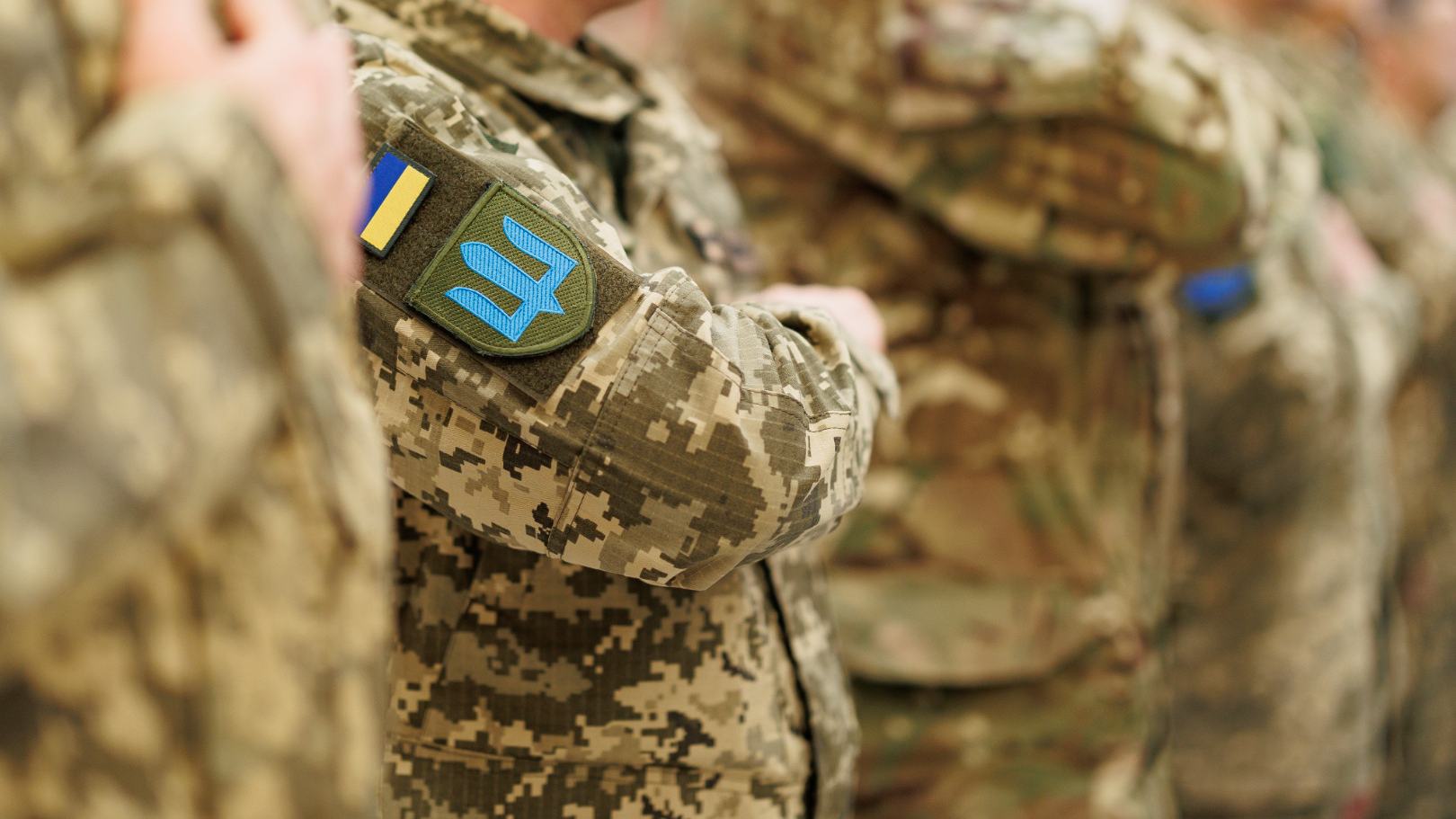
In Mykolaiv region since 2022, 31 cases of unlawful actions against TCC and SES workers have been documented. Among the recorded injuries are bruises, abrasions, chemical burns, fractures, cutting and stabbing wounds. In Zhytomyr region, such cases remain isolated. This follows from responses from both regional TCC offices to LIGA.net inquiries.
Mykolaiv is not an anomaly but a symptom. According to National Police data, as of April 5, 2026, across Ukraine 611 cases of resistance or attacks on TCC and SES workers have been documented, three of whom were killed.
Dynamics: more than doubled annually
Statistics on attacks in Ukraine for complete years look as follows:
- 2022 — 5 cases
- 2023 — 38
- 2024 — 118
- 2025 — 341
- since the beginning of 2026 — over 100
The most incidents were recorded in Kharkiv region — 68, in Kyiv — 53, in Dnipropetrovsk — 44. Mykolaiv does not appear in this leading trio, but 31 cases over four years is a sustained rather than situational problem.
Why the violence now
National Police Chief Ivan Vyhivskyi explained the aggression directly:
"Society knows about corruption cases in TCC and SES, when people subject to mobilization are released for money. Therefore, trust in these structures is minimal, and even a formal document check causes aggression."
Ivan Vyhivskyi, Chief of the National Police of Ukraine — in an interview with Censor.NET
There is a basis for such perception: since May 2025, within the "Guardian" operation through the end of March 2026, 325 suspects and 115 indictments in corruption cases related to mobilization have become known. Bribes for "getting out" of mobilization range from several hundred to thousands of dollars depending on the stage of the procedure.
The most resonant incident
On April 2, 2026 in Lviv during awareness activities, a military TCC worker was killed — stab wounds proved incompatible with life. This case became the most high-profile, but not the first: in Odesa on March 30, a man subject to mobilization opened fire on a TCC minibus, with one military personnel receiving severe injuries.
The typology of injuries documented by the Mykolaiv regional TCC — bruises, abrasions, fractures, chemical burns, cutting and stabbing wounds — indicates that attacks are not spontaneous clashes. Some of them suggest premeditation or the use of improvised weapons.
If the state does not break the link between corruption in the TCC and violence against its workers — that is, does not reduce the actual level of corruption, not merely the number of cases — will the growth of attacks stop after the active mobilization phase ends, or will it become an established form of protest?





