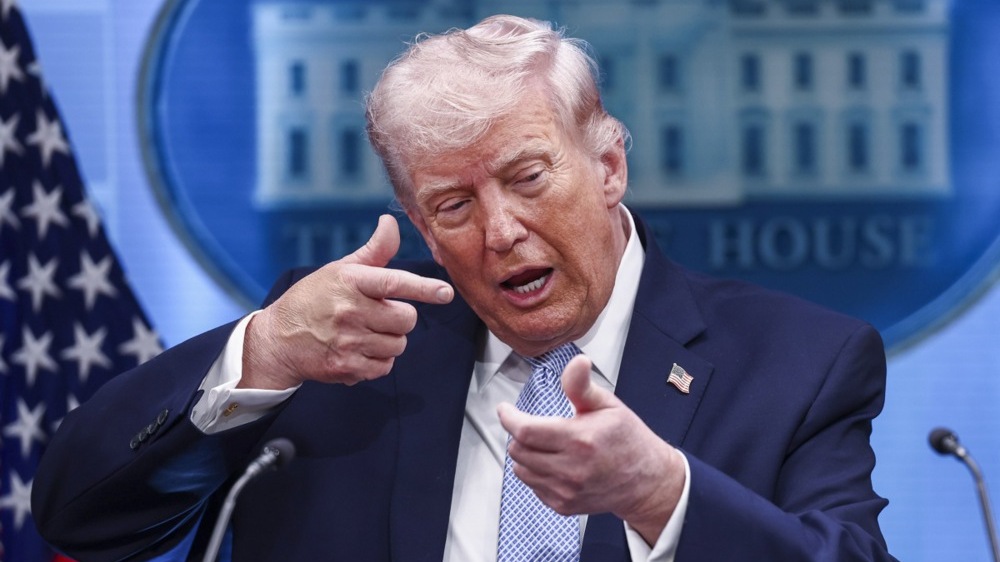
On April 9, 2026, US President Donald Trump announced a two-week ceasefire with Iran, with the key condition being the "full, immediate and safe opening of the Strait of Hormuz". Within a day, it became clear: the condition was only met in words.
According to Bloomberg and MarineTraffic data, only nine vessels passed through the strait from the morning of April 9 — five exited the Persian Gulf, four entered it. For comparison: before the crisis, daily traffic reached dozens of vessels. Sultan al-Jaber, CEO of Abu Dhabi National Oil Company, confirmed that the strait is effectively closed despite the ceasefire — and added that 230 loaded oil tankers are standing inside the gulf.
The Scheme: Quota, Toll, Bitcoin
Details of the deal that Washington did not publicly disclose were revealed by the Wall Street Journal: Iran agreed to allow passage of no more than 12 vessels per day — and to charge a toll of more than one million dollars for each. According to the Financial Times, Hamid Hosseyni, a representative of Iran's Oil Products Exporters Union, explained the mechanism: the ship owner sends an email with cargo details, after which they receive the amount due — approximately $1 from each barrel of oil on board. A large Suezmax tanker carrying a million barrels would pay around a million dollars.
"As soon as the email arrives and Iran completes the assessment, the vessel has a few seconds to pay in bitcoin — so the money cannot be tracked or confiscated through sanctions"
— Hamid Hosseyni, representative of Iran's Oil Products Exporters Union, Financial Times
Payment is also accepted in Chinese yuan through Kunlun Bank via the CIPS system. According to analytics firm TRM Labs, the IRGC has been using crypto infrastructure as a toll collection mechanism since mid-March — the first such precedent in global maritime practice. The potential revenue from the scheme is up to $20 million per day from oil tankers alone.
A Sanctions Trap for Shipowners
For shipping companies, the situation is a legal gray area. As CNBC reports, one of the top executives of a shipping company whose vessels are stuck in the gulf admitted: "We have no information on how to transit during the ceasefire. We are not in contact with Iranian authorities". At the same time, lawyers warn: paying Iran's tolls could be classified as a violation of US and European sanctions. Maersk and other major operators have chosen a waiting strategy.
- All three oil tankers that passed through the strait in the first days of the ceasefire were under US sanctions for transporting Iranian oil — according to CBS News
- Iran directs permitted vessels along the northern route — closer to its coast — and warns of military strikes if they deviate from course
- Iranian Foreign Minister Abbas Araghchi noted that passage is "possible through coordination with Iran's Armed Forces taking into account technical limitations" — a formulation that leaves Tehran full control over the pace and conditions
What the Numbers Mean
A restriction of traffic by more than 90% means that approximately 10 million barrels of oil per day remain blocked. The Bruegel Institute calculated: full opening of the strait would return 20% of global oil and gas supplies to the market, lower prices and eliminate multibillion-dollar additional costs to the global economy. Instead, 230 tankers inside the gulf accumulate demurrage costs, and insurance rates remain prohibitive.
After announcing the ceasefire, Trump wrote on Truth Social that the US "will help with traffic" and that "big money will be made" — however, no mechanism for monitoring compliance with the agreement's terms was publicly presented.
If by April 11 — the date of scheduled Pakistan talks between the US and Iran — Tehran does not cancel the 12-vessel limit and does not abandon the criminally sensitive crypto scheme, the question is no longer whether the ceasefire is real, but whether G7 countries that depend on supply disruptions will recognize it as such and can legally pay for passage.