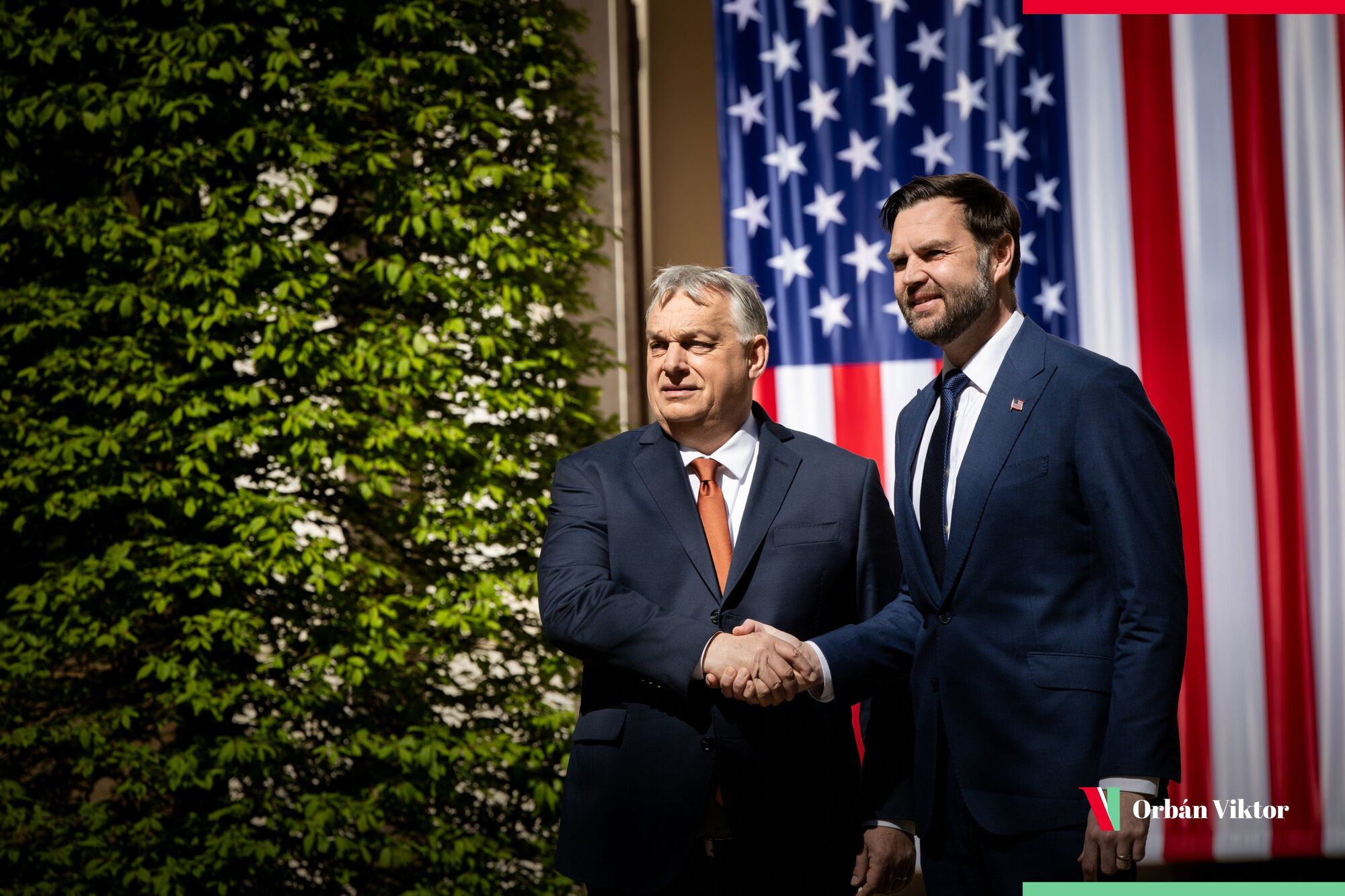
Vice President JD Vance's visit to Hungary, often described as the most Russia-friendly EU member state, could have served as a platform for yet another public attack on Kyiv. It did not.
According to Ukraine's Foreign Ministry, Hungarian journalists made several attempts to get the American vice president to directly criticize Ukraine — and each time received evasive answers. Vance chose a strategy of avoidance rather than confrontation.
This is not a minor protocol matter. Budapest is one of few European capitals where open criticism of Zelenskyy still does not cause diplomatic discomfort. Orbán has spent years cultivating this space. The fact that Vance did not exploit it marks a certain boundary — at least a public one.
At the same time, silence is not support. The Trump administration continues to pressure Kyiv on negotiations, ceasefire terms, and territory. The absence of criticism during one visit does not change the overall framework in which the US views the Ukrainian issue as a burden to be resolved rather than an ally to be supported.
Hungary remains a bottleneck in NATO and EU support for Ukraine — blocking decisions, delaying tranches, bargaining for exceptions. The fact that Vance came specifically here and did not add public condemnation of Kyiv to the visit, Budapest may read as tacit approval of its own position.
The real question is not what Vance said. It is whether Hungary's behavior in NATO and the EU will change if Washington does not publicly make clear that Orbán's blockades come at a price for bilateral relations.





