On June 3, 2026, the UN General Assembly held a secret ballot to elect five new non-permanent members of the Security Council. In the Western European group, Portugal received 134 votes, Austria — 131, and Germany — only 104. A total of 127 votes was required for election. This was Berlin's first failure in competing for a seat on the Security Council across all six previous terms.
What happened in the General Assembly hall
The results were announced by Annalena Baerbock — in her role as president of the UN General Assembly. The former foreign minister, who until recently personally shaped Berlin's foreign policy, read out the figures of a defeat in the very course she herself had pursued. The irony of the situation did not go unnoticed in diplomatic circles.
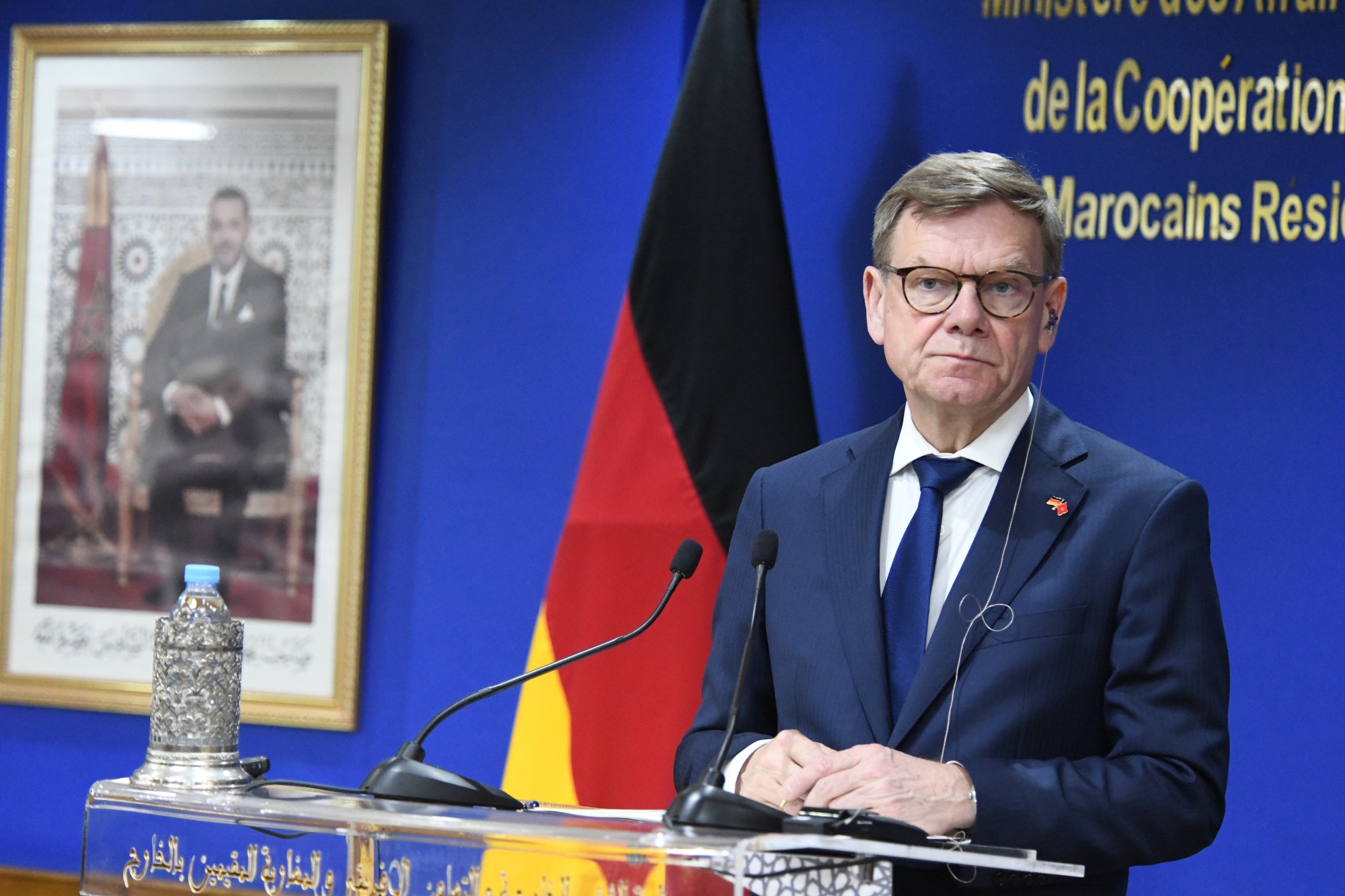
Foreign Minister Johann Wadephul, who was personally present in New York, called the result a "bitter defeat" and directly pointed to Russia's role. According to him, Russia did not want to see in the Security Council a country that so openly supports Ukraine.
"We firmly support Ukraine, and Russia does not want such a voice in the Security Council. It is no secret to anyone that Russia was fanning sentiment against Germany."
Johann Wadephul, German Foreign Minister, Reuters
Wadephul also acknowledged that Germany's support for Israel in the Gaza conflict may have additionally cost Berlin votes — since Germany, in his words, "always bears special responsibility toward Israel."
Why did the EU's largest economy lose?
The structural cause of the defeat is a late start to the campaign. Austria announced its candidacy back in 2011, Portugal — in 2013. Berlin entered the race much later. However, analysts point out: if a late start explains a lag of several votes, then a deficit of 23 votes indicates a deeper problem.
As Euronews notes, the votes that Berlin lacked were primarily missing in regions where Moscow and Beijing have invested in diplomatic relations for years. Austria, as a neutral state, proved more convenient for both camps — and this won out.
Chancellor Friedrich Merz reacted with restraint: "We ran with conviction. We did not achieve our goal. This result does not change the tasks we face at the UN." The opposition Greens, for their part, called the defeat "shameful" and placed responsibility directly on Merz and Wadephul.
The price of principles in a shaken world
This defeat registers a real gap between how Berlin sees its role — a reliable pillar of the multilateral system — and how dozens of Global South countries perceive this role. Support for Ukraine and Israel comes at a cost: not merely metaphorically, but literally — in the secret ballot.
- Austria and Portugal will take their seats starting January 1, 2027, replacing Denmark and Greece.
- Among the other newly elected members are Zimbabwe (182 votes, unopposed) and Trinidad and Tobago.
- In the most intense competitive race, Kyrgyzstan defeated the Philippines with a score of 143–49.
The UN Security Council remains institutionally paralyzed: Russia blocks resolutions on Ukraine, the United States — on Gaza. Reform of representation has been discussed for decades and has not progressed beyond declarations.
If Berlin truly believes that its pro-Ukraine position cost it a seat — an awkward question opens up before it: is Germany ready to pay this price again in 2029, when the next rotation approaches, or will it adjust its candidacy to meet the expectations of those same votes that it lacked today?





