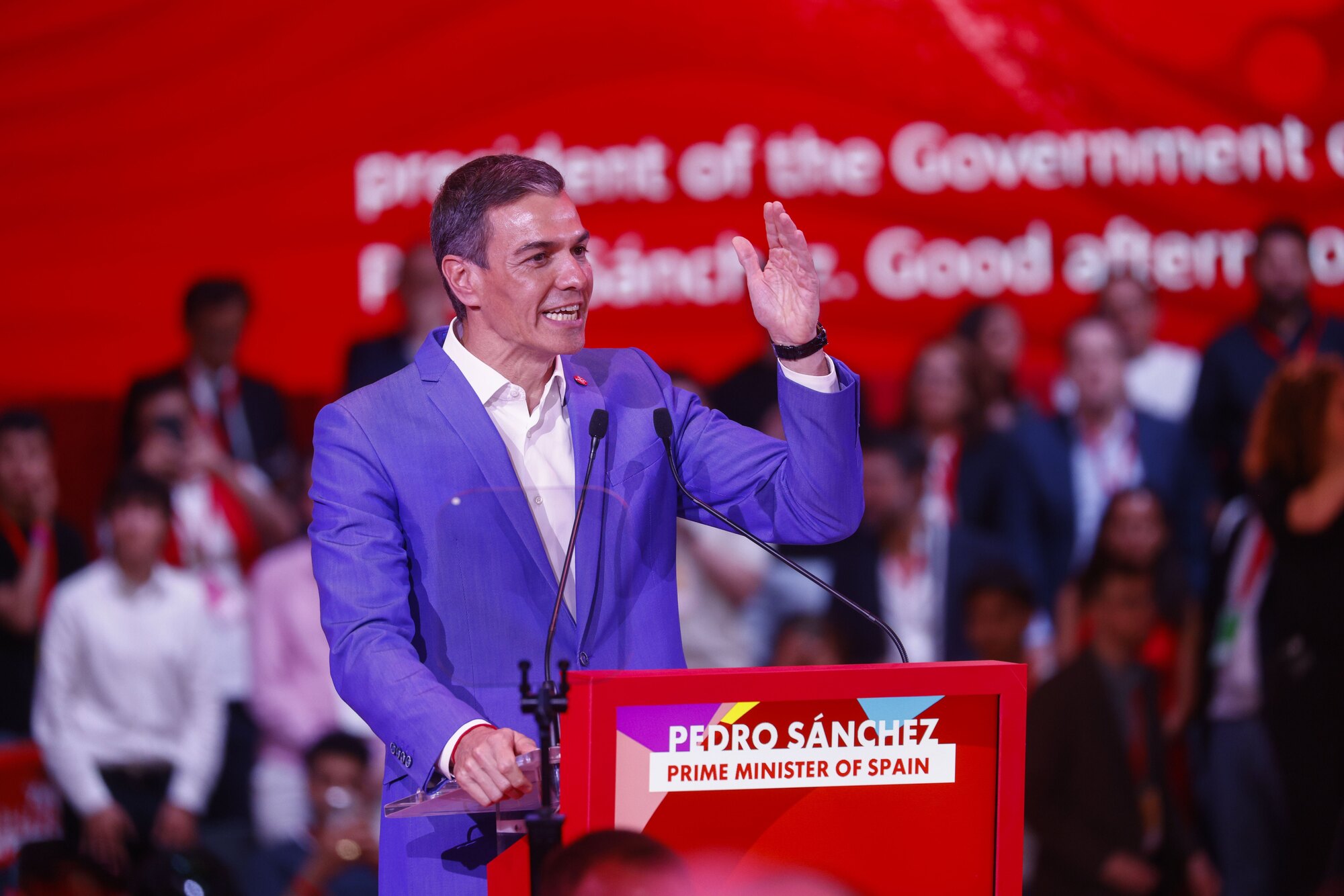
When Reuters published a leak of an internal Pentagon memo with options for punishing NATO allies, Madrid's first instinct proved telling. "We don't work with emails. We work with official documents," Prime Minister Pedro Sanchez said on the sidelines of the EU summit in Nicosia, effectively refusing to discuss the scenario itself.
NATO's reaction was equally striking: the Alliance confirmed that the 1949 Washington Treaty contains no provisions for suspending or expelling members. In other words, the US has no legal mechanism to do what is being discussed in the leak.
What the letter actually contains
According to Reuters, the internal memo circulated at the highest levels of the Pentagon and contained several options for pressuring allies who refused the US access to bases and airspace during strikes on Iran — the so-called ABO (access, basing, overflight).
- Suspension of Spain's NATO membership
- Sidelining "difficult" countries from prestigious positions in the Alliance
- Review of US diplomatic support regarding the Falkland Islands — a hint at London
"The Department of War will provide the president with credible options for action so that allies are no longer paper tigers"
— Pentagon Press Secretary Kingsley Wilson, in response to Reuters' inquiry
Notably, the letter does not propose withdrawing American troops from Europe and does not raise the question of US withdrawal from NATO — although Trump has repeatedly threatened precisely that.
Why Spain became a target
Since the start of military operations on February 28, Madrid has blocked the use of American-Spanish bases Rota and Moron for strikes on Iran, calling the attacks "unjustified and dangerous military intervention." Sanchez also refused to increase defense spending to 5% of GDP — the threshold Trump is demanding from all allies.
A senior NATO official, cited by Euronews, characterized the tone of the letter as "unsurprising" given "Trump's dissatisfaction with Europe, and especially Spain." However, that same official emphasized: refusing access to bases is a legitimate right of an Alliance member. Former British Army captain and Dr. Patrick Berry recalled the 1986 precedent: then both France and Spain refused the US access during the operation against Libya — and no one was expelled.
The Falklands as a geopolitical signal
The most unexpected element of the letter concerns not Spain, but Britain. The Pentagon proposes reviewing US support for London's position on the Falkland Islands — in favor of Argentine President Javier Milei, Trump's ally. Keir Starmer's press service responded with restraint: "Pressure doesn't affect him."
It is worth noting that analysts and diplomats cited by Reuters are registering unprecedented concern: the American-Israeli war against Iran has created genuine doubt about whether the US will come to the aid of European allies in case of an attack on them.
If Washington doesn't find a legal instrument, and symbolic pressure doesn't force allies to change their position, the question becomes concrete: will Trump dare by the end of his term to withdraw American bases from Spain — a move the letter doesn't directly propose, but doesn't rule out either?





