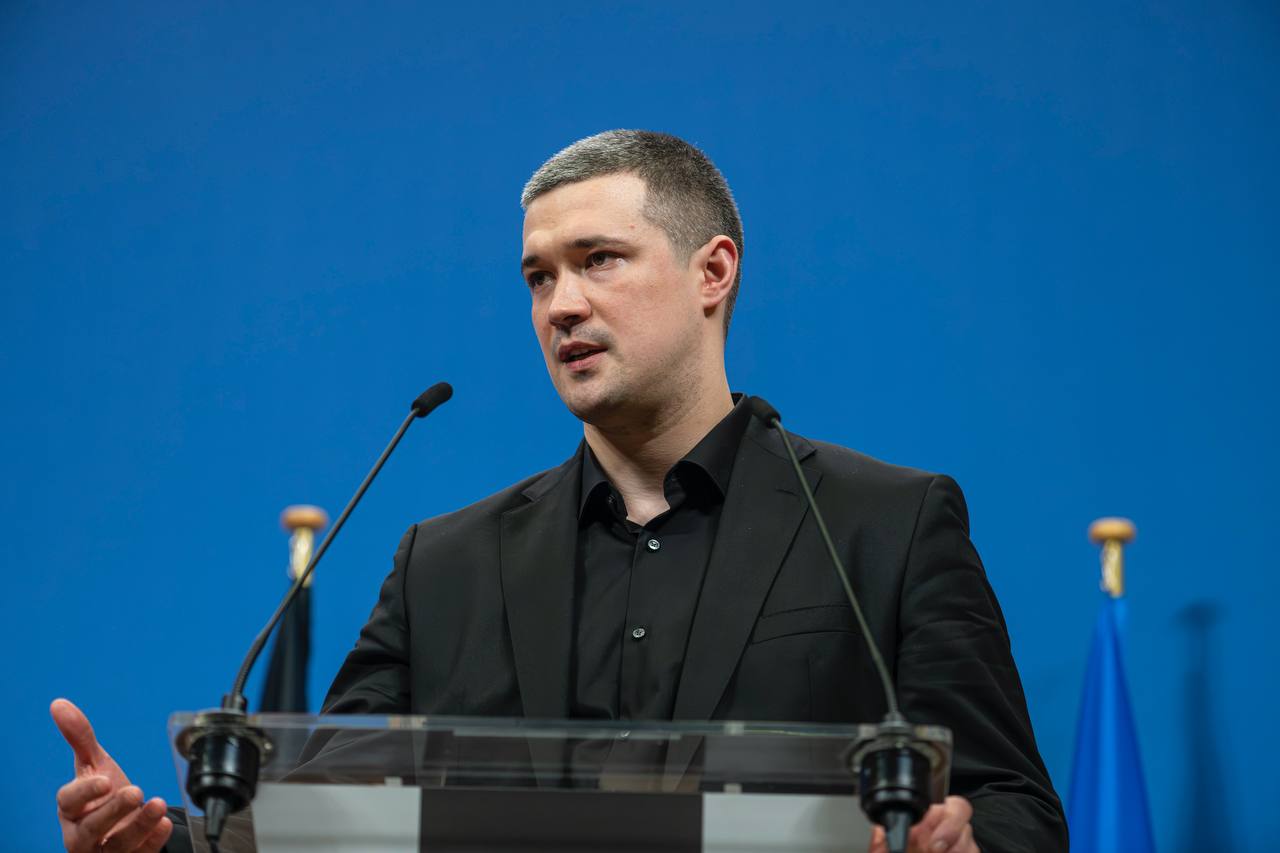
Mykhailo Fedorov, presenting the priorities of the Ministry of Defense for the coming months, named a specific target: summer 2025 — the time to transition defense procurement to tender procedures. The step following artillery ammunition will be drones.
«We have already conducted the largest competitive procurement procedure for long-range 155mm artillery shells and achieved savings of over 16%. The next step is to transition drone procurement to tenders. Our task is to build a transparent, competitive, and fast procurement system without corruption risks».
— Mykhailo Fedorov, Minister of Defense of Ukraine
Where Artillery Is Not a Precedent for Drones
A 155mm shell is a standardized product with fixed characteristics. A tender makes sense here: there is a specification, there are manufacturers, there is a price. With drones, it's different. As analysts in the field of defense procurement have noted, unmanned systems become obsolete morally faster than they manage to complete competitive procedures — especially in conditions of constant radio-electronic countermeasures by Russia, which forces manufacturers to update models every month.
This is precisely why the previous system of decentralized procurement — when military units could purchase drones through a simplified scheme in a few days and often twice as cheap as through the central channel — existed for two years. It was not a corrupt workaround, but a response to the actual pace of combat needs.
Tender — Not a Guarantee, But a Tool
The regulatory framework has already changed: Resolution of the Cabinet of Ministers No. 1450 from December 2024 approved a new procedure for procuring unmanned systems and electronic warfare equipment at the tactical level. However, as public procurement specialists note, fragmentation of departmental acts and the lack of a systematic approach are themselves a source of corruption risks — regardless of format: tender or simplified.
In parallel, Nashi Hroshi drew attention to another signal: in the first month after Fedorov's appointment as minister, the Defense Procurement Agency conducted purchases of Chinese drones for 11.4 billion hryvnias — almost as much as for the entire second half of 2025. This happened before the announcement of the tender transition, and outside competitive procedures.
Anti-Corruption Track Without a Control Mechanism
Fedorov also announced anti-corruption changes in the field of research and development work and state quality assurance — two areas where corruption schemes are traditionally least visible from the outside. Details regarding verification mechanisms for results were not provided.
Tenderization is the right direction if the procedure does not become a brake. The question is specific: if a tender for drones takes longer than the cycle of the opponent's model updates — what will be the priority: the transparency of the procedure or the relevance of the procured equipment?





