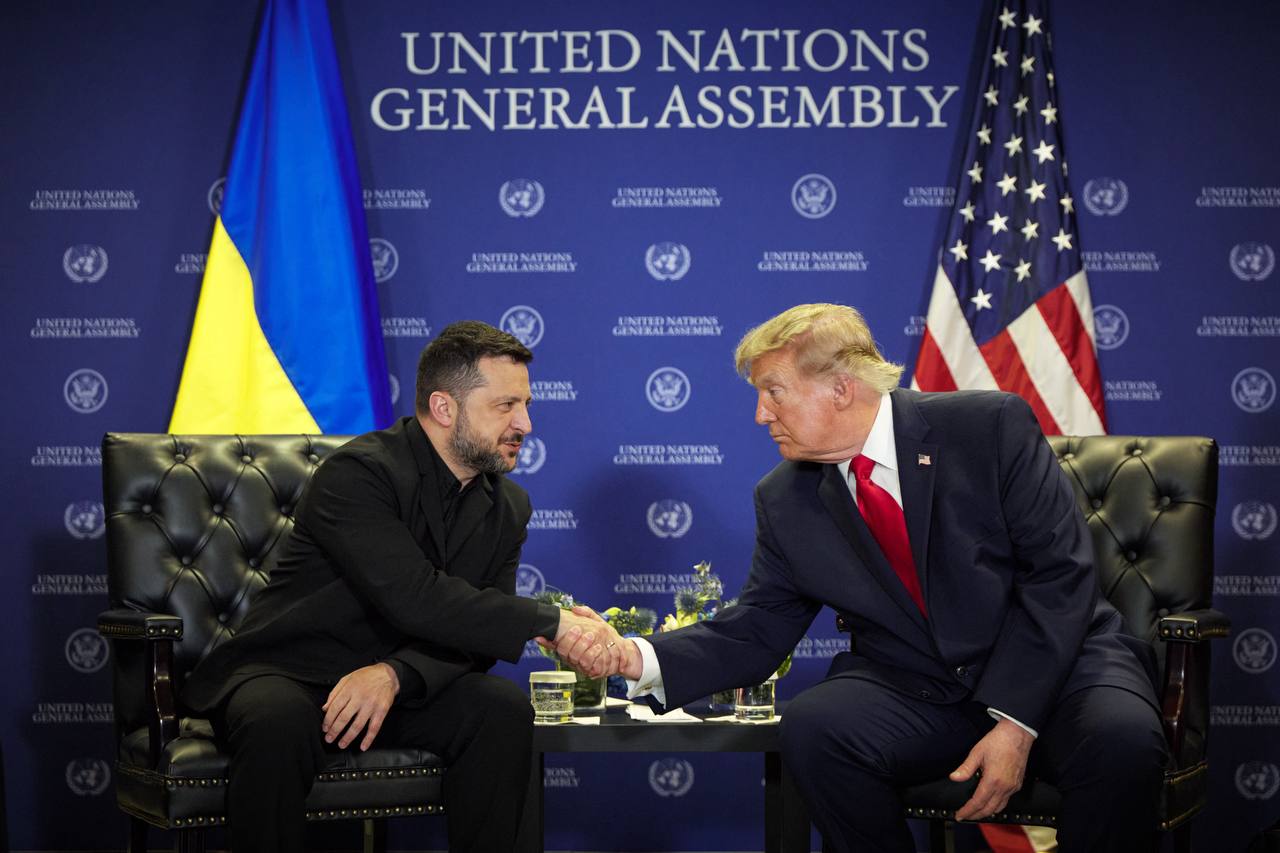
After meeting with Donald Trump, Volodymyr Zelensky approached journalists with a formulation that sounds more cautious than his usual statements about "breakthrough negotiations." The President confirmed that he discussed an energy truce with the American leader, and the US will pass this proposal to Russia. But he immediately added a caveat that deserves careful attention.
"I am not sure that Russia is ready today. But in any case, we talked [with Trump] about an energy truce for us," the Ukrainian president said.
Why now
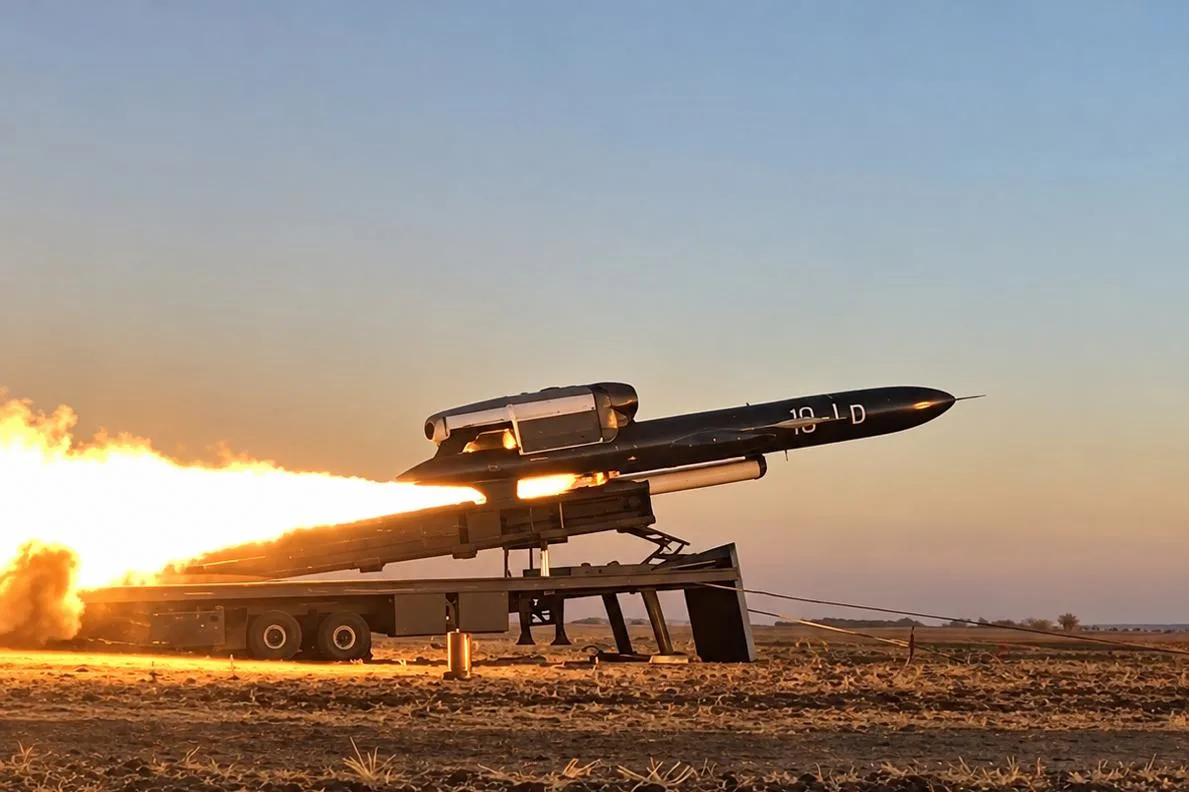
The idea of stopping strikes on energy infrastructure did not emerge in a vacuum. In recent weeks, Trump has publicly spoken about fuel shortages in the world and directly linked them to the war—while simultaneously demanding that Zelensky "stop destroying Russia's diesel reserves." Even before the meeting, he acknowledged that Russia had "unfortunately" lost control over its diesel industry due to strikes, and that a significant portion of Russian oil refineries had been taken offline.
The timing coincidence is telling: oil prices rose due to the war with Iran, fuel became more expensive in the US, and less and less time remains before the midterm congressional elections. For Trump, stopping strikes on Russian refineries is less about Ukraine than about American gas pumps. Politically, it is more advantageous for him to show voters cheaper gasoline than to explain why drones are hitting oil refineries thousands of kilometers away from Florida.
For Zelensky, the logic is different: if the mutual exchange of strikes on energy infrastructure truly stops, Ukraine gains a chance to get through the winter without massive attacks on power grids, heating, and water supply. This is why the Ukrainian framing of the proposal sounded different—not just "don't hit diesel," but mutually refrain from attacking the energy system as a whole.
Who benefits and who doesn't
Washington's benefit is obvious and measured in dollars at the gas pump. Kyiv's benefit lies in the possibility of making it through to spring without another campaign destroying substations. But for Moscow, the calculation is more complex: stopping strikes on oil refineries saves export revenues and infrastructure that Ukrainian drones are now systematically destroying, while the Kremlin has not demonstratively limited its own ability to strike Ukrainian energy infrastructure.
This asymmetry is the main vulnerability of the proposal. Ukrainian strikes on refineries and export terminals have become almost the only tangible economic leverage of pressure on Russia over the past year. Freezing it in exchange for a promise, in the ability to fulfill which Zelensky himself does not believe, is a risky trade.
Reaction from opponents within the process
The most telling reaction is, in fact, the apparent absence of an official response from Russia: the proposal still needs to be delivered, and the Kremlin is bound by no obligation to respond quickly or even positively. Zelensky himself publicly acknowledged this uncertainty, repeating several times that any negotiations on Russia's part would only be a signal of readiness to move forward—nothing more.
Within Ukrainian discussion, skepticism has a different source: strikes on oil refineries and the export of Russian energy resources are one of the few tools that delivers tangible effect without direct strikes on civilians. Refusing it in exchange for a pause that Russia has repeatedly violated in previous winters looks to some military officials and analysts like a concession without guarantees.
Formally, the parties synchronized on only one point—both presidents agreed that it is better to end the war before winter. Zelensky wrote about this after the meeting, adding that alongside diplomatic steps, his team continues to work on establishing production of Patriot air defense missiles in Ukraine—meaning they are preparing for a scenario in which ballistic terror continues despite any truces.
What's next
On the eve of the meeting, Trump outlined the fork extremely directly: one option for an agreement is "very bad," another is capable of bringing the country to greatness—without specifying which is which and for whom. This formulation is more about the negotiating style than its substance.
The main test will come not in statements, but in actions over the coming weeks: if Russia continues to strike Ukrainian energy infrastructure while simultaneously receiving a pause for its own oil refining, the proposal will turn into a one-sided concession. If strikes on both sides truly stop before the cold weather arrives—this would become the first example in years of a working sectoral truce. The question remains open: how many weeks will the Kremlin need to at least privately respond to the proposal that the Americans will deliver?