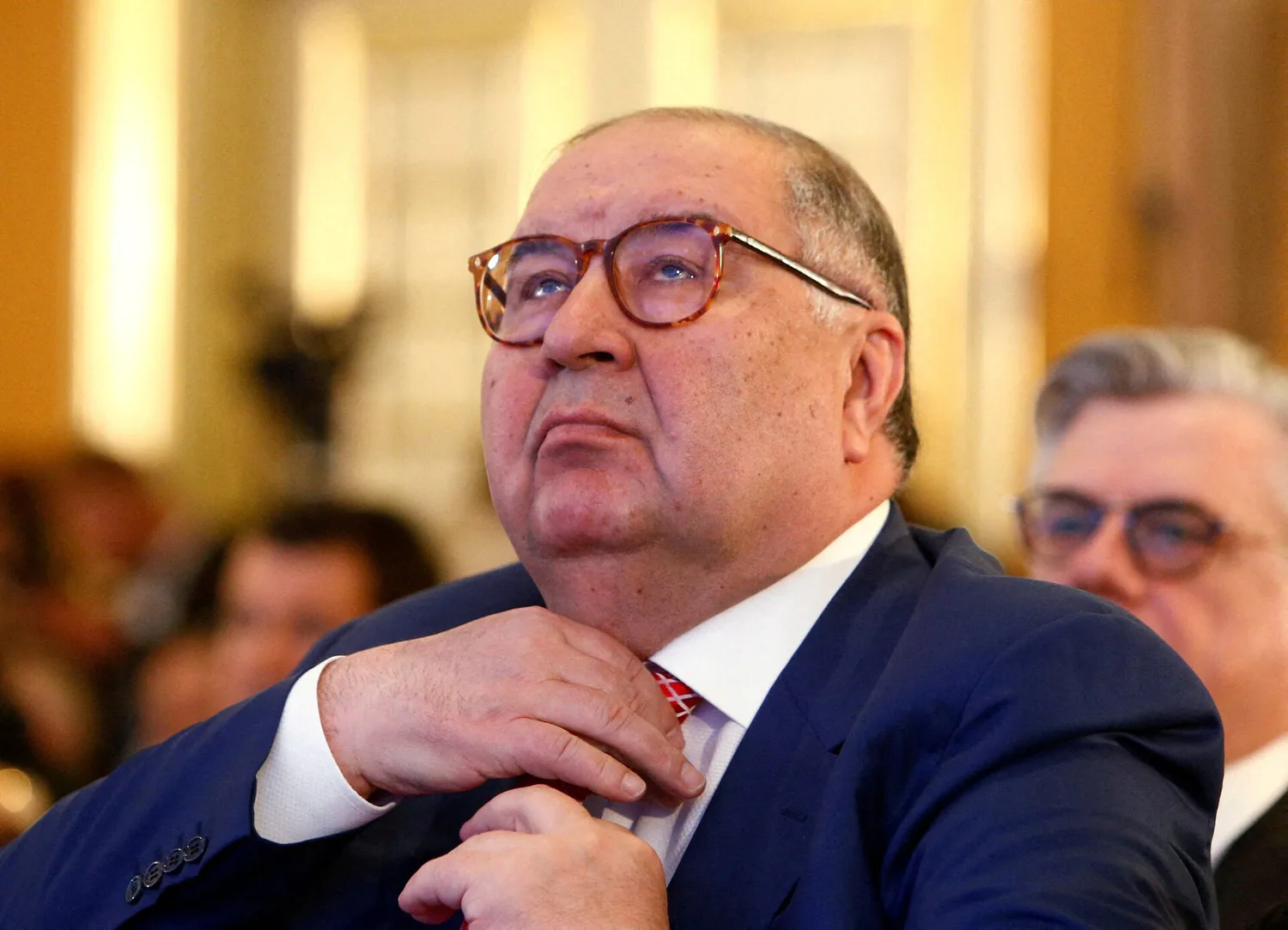
Imagine a mechanism that is held together by a single nail: if that nail is pulled out, the entire structure collapses. This is exactly how the EU's sanctions regime against Russia is currently structured — any decision to extend it requires the agreement of all 27 countries, and any one of them can block protection for three thousand people in exchange for two specific names. This week, this happened: EU diplomats agreed to remove billionaires Alisher Usmanov and Mikhail Fridman from the sanctions list in exchange for extending restrictions on the remaining individuals for another three years.
The Price of Unanimity
Formally, this is a technical extension of sanctions that were previously reviewed every six months but now have a three-year horizon. However, the path to this decision was far from technical: Latvia held out until the last moment, turning a routine procedure into extremely complex negotiations.
The bargaining began in early September, when France unexpectedly insisted to other EU members on excluding Usmanov — a Russian-Uzbek metallurgical magnate — on national security grounds. Luxembourg followed with a similar demand regarding Fridman. This was no coincidence: Fridman himself initiated a 16 billion dollar lawsuit against that country.
Who Won from the Deal
The result of the bargain is simple: two specific billionaires regain legal protection and access to assets in the EU, while approximately three thousand other individuals and companies linked to Russia remain under restrictions for another three years. To an ordinary EU or Ukrainian citizen, this looks like an exchange of scale against personal interests — when the fate of a collective instrument of pressure on Moscow depends on lawsuits by individual oligarchs against individual countries.
It is telling that on September 21, reports emerged about the possible removal of sanctions against Usmanov and Fridman, and just a day later the EU could not reach agreement — so fragile the compromise turned out to be.
What This Means for Sanctions Pressure
In parallel, the EU announced new sanctions against Russia following the so-called State Duma elections, including measures targeting temporarily occupied territories of Ukraine — a signal that the overall pressure remains intact. However, the precedent with Usmanov and Fridman reveals a vulnerable point in the entire system: when unanimity is required to maintain the regime, each country gains a bargaining lever for specific personal interests, and this lever works more powerfully the longer and more expensive the lawsuits that those on the list are willing to pursue.
The question for the next three years is straightforward: will this case remain an exception that never repeats, or will it become a precedent after which other oligarchs will learn to sue individual EU countries to secure their own removal from the list.