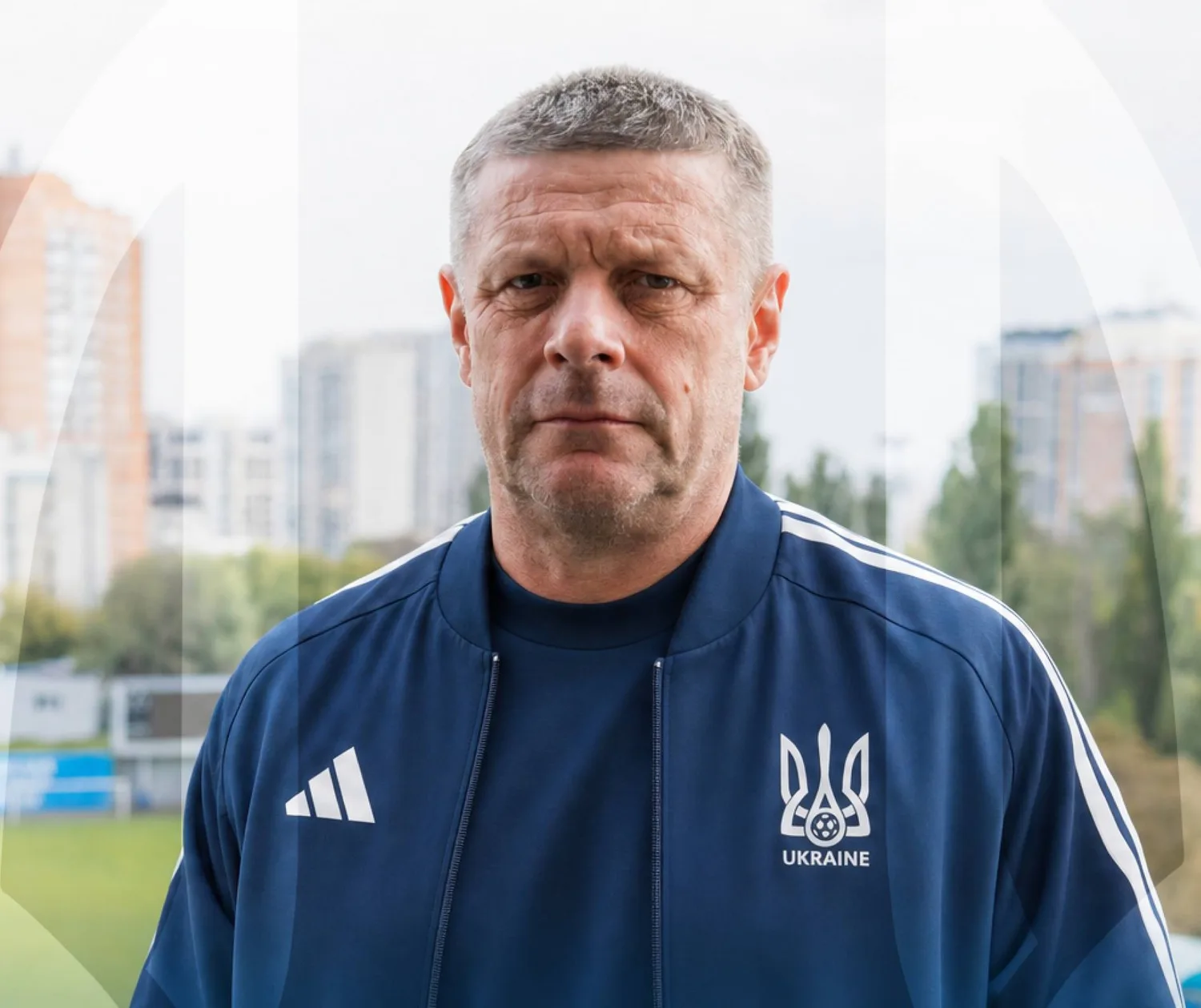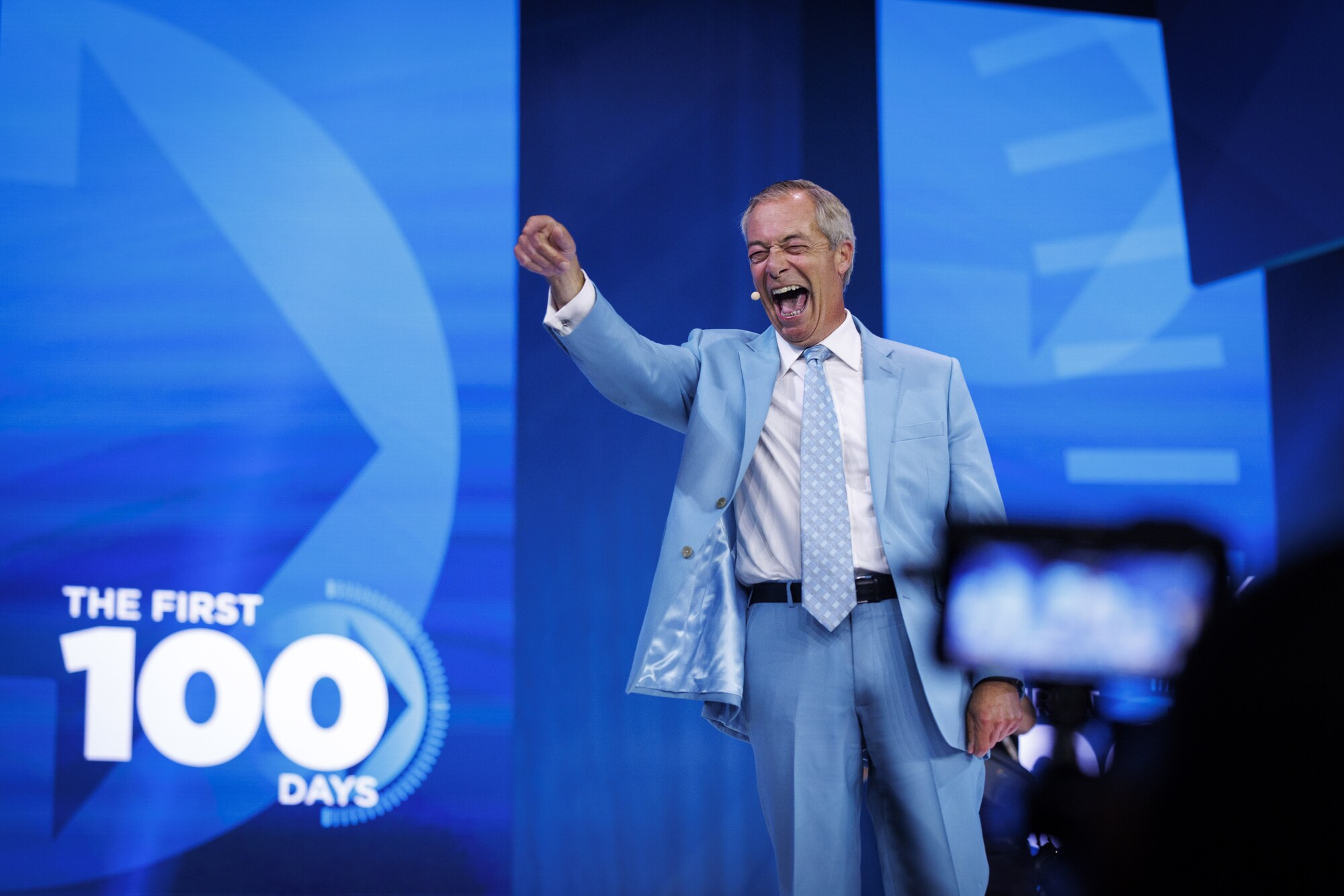
Nigel Farage, leader of Britain's right-populist Reform UK party, who has been accused for years of sympathizing with Russian dictator Vladimir Putin, is planning to visit Ukraine. This was reported by Politico, citing two unnamed sources familiar with the matter. Discussions about a possible visit have already taken place between the party and Kyiv, the sources said.
Farage's opponents have for years cited his 2014 comment that he "admires" Putin as a "strategist." A decade later, he sparked outrage again during the general election, claiming that it was the West that "provoked" Russia's invasion of Ukraine by expanding NATO eastward. Last year, the leader of a Reform UK local branch in Wales was arrested for taking bribes from Russia — a development that further fueled suspicions about the party as a whole.
Why Now
The visit is not being planned in a vacuum. Reform UK is leading confidently in British opinion polls and preparing for possible early elections, where Farage is increasingly seen as a serious contender for Downing Street, rather than a marginal populist. The closer the party gets to power, the more expensive the reputation of being the "Putin wing" of British politics becomes.
That is precisely why Reform UK has been systematically revising its rhetoric on Russia in recent months — from Farage's own statements that Putin is a "very bad guy" and that Britain should shoot down Russian aircraft violating airspace, to unexpected support for Ukraine's NATO accession as part of a "long-term solution." The visit to Kyiv logically fits into this image rebranding campaign: the party is attempting to formalize a foreign policy position that has so far essentially boiled down to its leader's personal views.
A More in Common poll last year showed that while all electoral groups in Britain predominantly support Ukraine, only 26% believe that Farage shares this position, and another 21% are convinced that he sympathizes more with Russia. For a party aspiring to power, such a gap between general voter sentiment and the perception of its own leader is a problem that cannot be closed by statements on GB News.
Who Is Against It
Farage's opponents from both camps — Conservative and Labour — have for years used his statements about Putin as ready-made ammunition. The politician's previous remarks about "provocation" by the West provoked sharp criticism: he was called a "Putin apologist," and some former Conservative ministers compared his rhetoric to justifying aggression. Activists from the Led By Donkeys campaign even disrupted his campaign rally with a banner featuring Putin's portrait and text about Farage's "love" for him.
Within the party itself, not everyone is enthusiastic about the sharp turn. One of Politico's sources acknowledged that the idea of a visit is being discussed but warned that such a trip could "anger many of our members" — that is, the portion of Reform UK's electorate that actually sympathizes with the pro-Russian narrative about "NATO provocation." This is a key contradiction in the strategy: to win over moderate voters, the party risks losing part of its radical core.
Formally, neither Reform UK nor the Ukrainian embassy has provided any comments, and none of Politico's sources could clarify the level of future negotiations.
What It Means for Kyiv
For Ukraine, the question is not whether Farage is sincere in his turnaround, but that the rise of right-populist forces in Britain and Europe is a trend that already affects the unity of support for Kyiv: nearly a quarter of European voters support such parties, and their leaders often combine ostensible support for Ukraine with rhetoric convenient for the Kremlin. If Farage actually becomes prime minister after the next election, his actual policy toward Ukraine will matter more than any courtesy visit.
If Farage comes to Kyiv and publicly confirms his readiness to continue military and financial support for Ukraine at the level of the current government — this will truly change the calculation. If the visit is limited to photographs against the backdrop of destroyed buildings without concrete commitments, it will remain what it was intended to be: a PR operation on the eve of elections.