Over the past few weeks, Greece has found itself at the center of one of the most acute debates within NATO: what to do with missiles that will soon have to be decommissioned anyway.
A Request That's Hard to Reject — and Hard to Accept
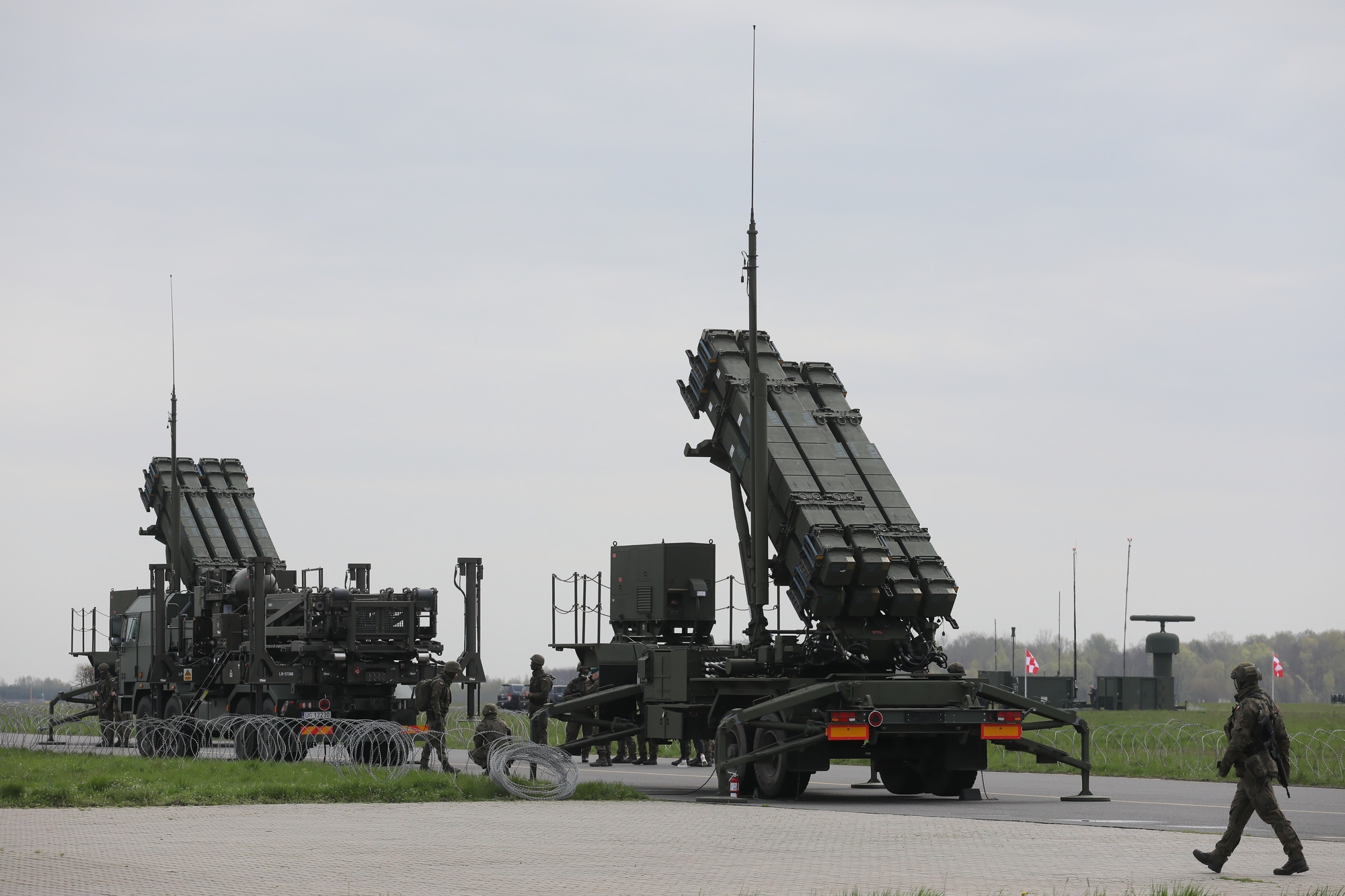
According to eKathimerini, citing informed sources, Ukraine has asked Greece to provide up to 200 PAC-2 air defense missiles from Greek Patriot batteries. Ukraine's key argument: some of these missiles have been in service with the Greek Air Force for 23 years and are approaching their technical operational limit. In other words, Athens will have to dispose of them or undergo expensive modernization one way or another.
This request came after earlier negotiations regarding a possible transfer of some of Greece's six Patriot batteries — the systems themselves — did not result in an agreement. Now Kyiv is not asking for the systems: only the ammunition.
NATO and the EU openly support this request, pressuring Athens. However, the Greek government has not yet issued a public response — neither "yes" nor "no."
Why This Is Critical Right Now
The context in which this request arrived explains its urgency. According to Bloomberg, citing Ukrainian Air Force data, the AFU's ability to intercept Russian ballistic missiles has deteriorated sharply: during one night strike, Ukraine failed to intercept any of the 23 Iskander-M missiles and six high-speed Zircon and Onyx missiles.
"A serious deficit" of air defense missiles makes it impossible to intercept Russian ballistic missiles.
— Ukrainian Air Force, official statement
According to ISW's assessment, Russia may be deliberately escalating ballistic missile strikes right now — while Ukraine has not yet launched domestic production of Patriot missiles, which the United States licensed. The production process will take time that the AFU does not have.
The Greek Calculation: Sovereignty or Alliance Duty
Athens' position is not purely irrational. Greece is the only NATO country bordering Turkey and has unresolved bilateral disputes. Six Patriot batteries are not surplus but the foundation of national air defense. Additionally, one of Greece's batteries is already deployed in Saudi Arabia under a bilateral agreement that Athens renewed in 2024 and 2025 — deliberately not raising the question of reallocation.
At the same time, the argument about "old missiles" undermines Greece's position from within: if PAC-2s are truly at the end of their operational life, refusing to transfer them looks like a choice between two types of loss — tactical or reputational within the Alliance.
The principal difference between PAC-2 and PAC-3 is also important in this context: PAC-2 detonates near the target and is more effective against aerodynamic targets and cruise missiles, while PAC-3 is a hit-to-kill interceptor for ballistic threats. However, in conditions of total shortage, even PAC-2 reduces the load on batteries and allows PAC-3 to be conserved for true ballistic threats.
What's Next
If Greece agrees, the precedent will matter beyond this deal: it will open a discussion about whether allies are obligated to transfer ammunition with limited remaining operational life instead of disposing of it. If it refuses — pressure within NATO will increase, but without the argument about "aging missiles."
The key condition for Athens' response: whether Greece will receive concrete guarantees from its allies regarding compensation with PAC-3 ammunition or accelerated integration into the Alliance's shared air defense system — or whether it will again be left with words of support without commitments.







