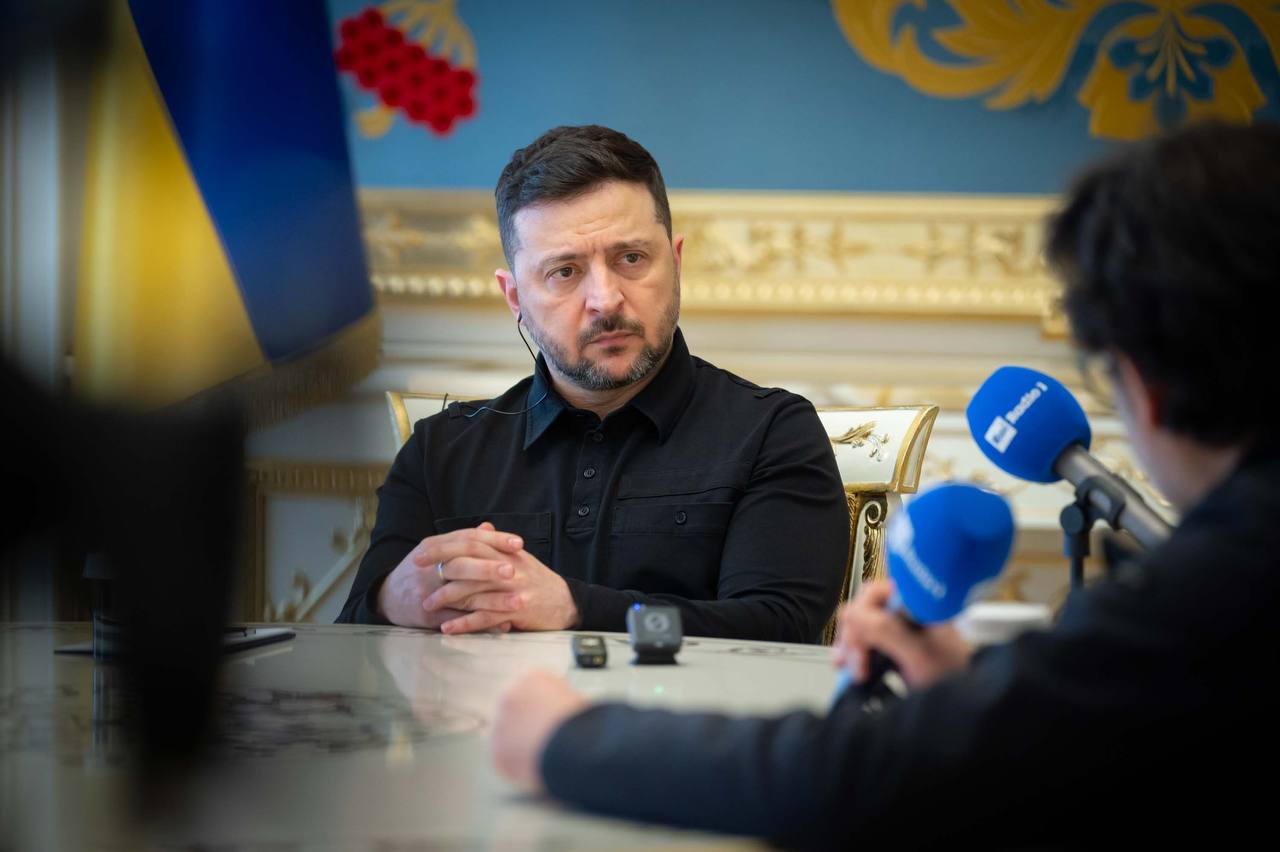
President Volodymyr Zelensky told The Guardian that during a meeting with Prime Minister Keir Starmer in London, he raised the issue of 2.4 billion pounds sterling — money from the sale of Chelsea that remains frozen in a British account. Kyiv's idea: to direct these funds toward purchasing air defense systems through the American PURL program, rather than humanitarian aid, as London insists.
Where the money comes from and why it hasn't been spent
Following British sanctions imposed in March 2022, Abramovich urgently sold the club to a consortium led by Todd Boehly for approximately $3.14 billion. At that time, the oligarch publicly promised that the net proceeds would go to help those affected by the war. However, the deal stalled: Abramovich, through his lawyers, is challenging London's position that the funds must be spent exclusively in Ukraine, insisting on a broader interpretation — "victims of conflicts worldwide." In April 2026, a new structure was registered to manage the fund — Foundation for the Victims of Conflict, headed by former UNICEF UK executive director Mike Penrose. In parallel, Abramovich filed a complaint with the European Court of Human Rights against Britain over the freezing of assets in Jersey.
In December 2025, Starmer issued an ultimatum:
"The clock is ticking. The government is ready to pursue the transfer of every penny through the courts."
Prime Minister Keir Starmer, House of Commons, December 2025
What exactly Zelensky is asking for
According to Zelensky, his discussion with Starmer covered the possibility of using the frozen funds to purchase air defense missiles from the United States. The PURL program — Prioritized Ukraine Requirements List — was launched by the Trump administration in July 2025 as an alternative to direct deliveries: allies purchase American ammunition and transfer it to Ukraine. As confirmed by Minister of Digital Transformation Mikhail Fedorov, more than 90% of Ukraine's air defense capabilities are currently provided through PURL.
"The Prime Minister said he is trying to do everything possible. We are trying to buy air defense missiles from the United States through the PURL program — we need security."
President Zelensky, interview with The Guardian
The conflict here is not merely diplomatic. British sanctions legislation, as well as the EU's position, stipulate that frozen oligarch assets can be transferred only for humanitarian purposes — and changing this precedent would require either a new parliamentary decision or a separate agreement between London and Kyiv.
Tactical context: why missiles matter more than grants
Russia continues mass attacks on Ukrainian energy infrastructure and cities — and a shortage of interceptor missiles for Patriot and NASAMS systems is a documented problem. Each interceptor missile costs between $3 and $6 million: 2.4 billion pounds equals between 300 and 600 missiles at current prices. By comparison, a humanitarian grant of this size does not directly affect combat capability.
- Legal obstacle: The UK Sanctions and Anti-Money Laundering Act requires that released funds go to humanitarian rather than defense purposes.
- Abramovich's position: The money remains his property; he is challenging even the mandatory humanitarian allocation.
- Zelensky's position: "Protecting the sky is a humanitarian mission"; protecting civilian infrastructure from missiles saves lives no less than hospitals.
If the British government agrees to review the terms of fund use, this will create a precedent for redirecting frozen assets of other oligarchs toward defense needs across the G7. If it refuses, the funds will likely reach Ukraine only after lengthy court proceedings — and exclusively as humanitarian aid.





