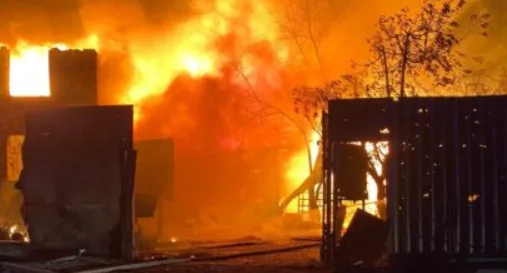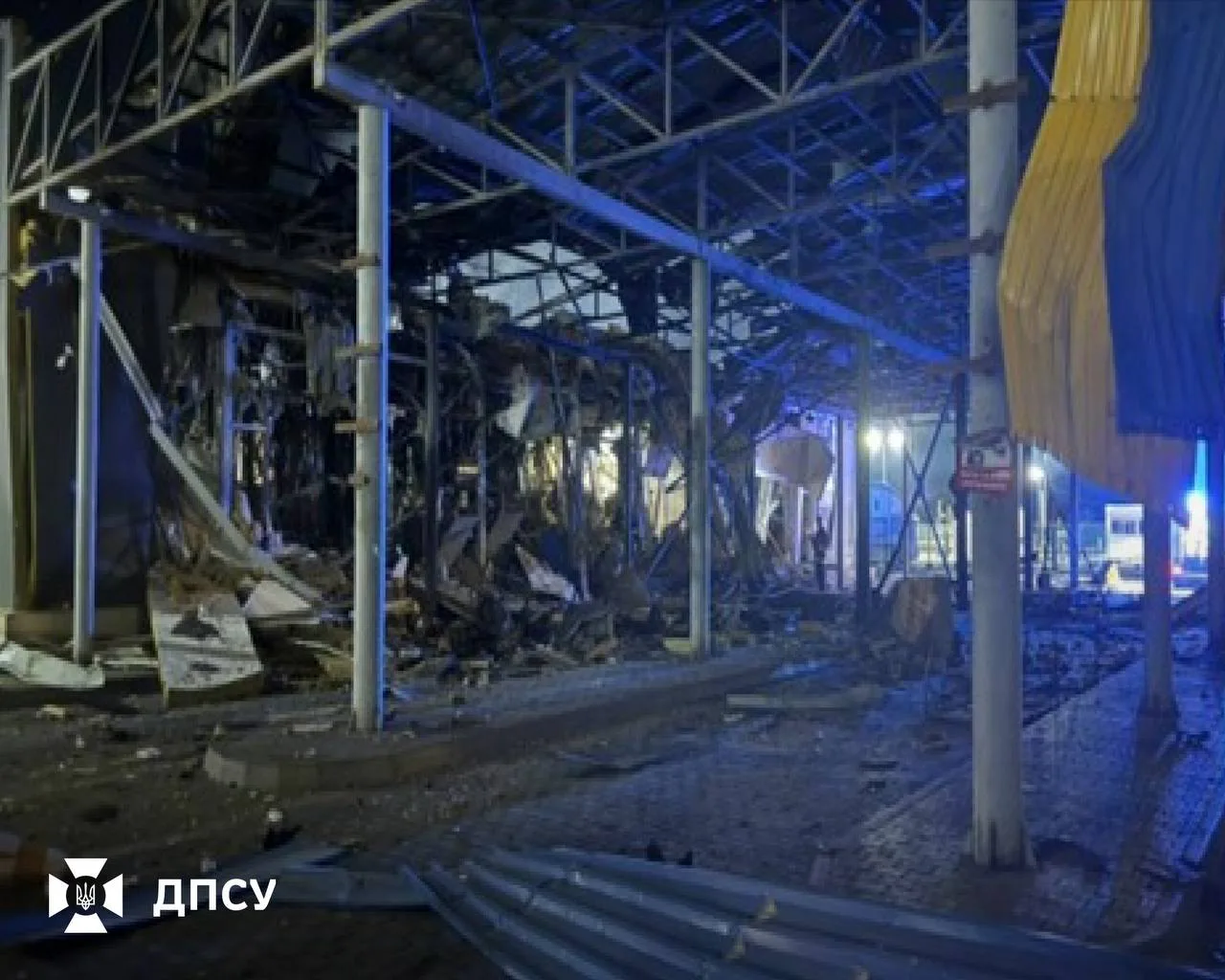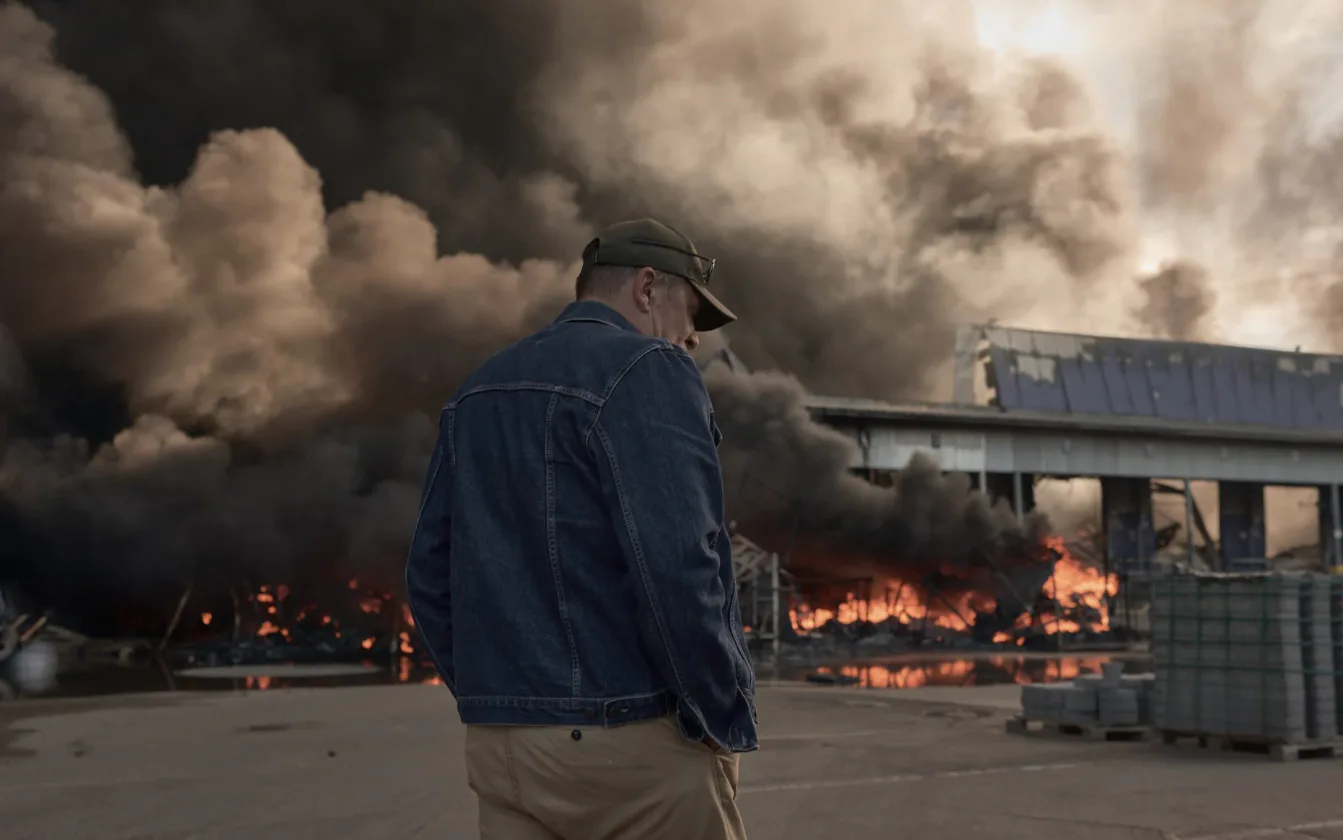
For millions of Kyivans, the siren at three in the morning has long become background noise. But when a British commentator writes that the Kremlin's goal is not simply to exhaust the city with strikes, but to erase it as a symbol of Ukrainian statehood, this is no longer about sirens — it is about why the war continues the way it does.
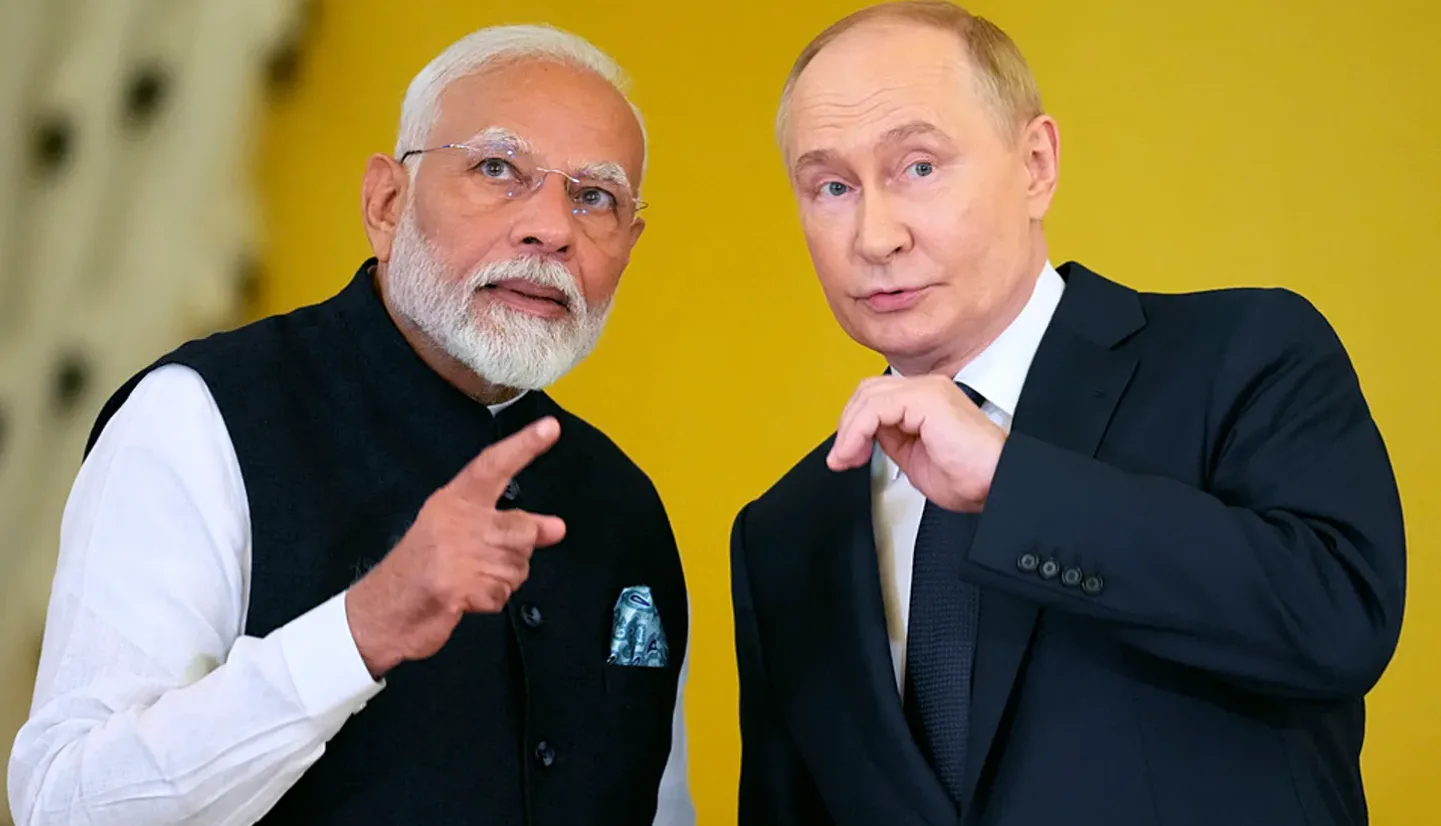
Owen Matthews wrote a column in The Telegraph, and his main thesis is simple: Putin has not revised his maximalist goals from 2022. Only the tactics have changed — more intense air attacks, increased production capacity, an attempt to prove that Moscow has more time than Kyiv and its partners.
Who benefits from this thesis right now
The material does not appear in a vacuum. Just in these same days, the Kremlin publicly denied rumors of a possible meeting between Trump, Zelenskyy, and Putin, calling them "information fakes." That is, simultaneously there are two signal lines: one — "Moscow is ready to talk" (which someone launched and which the Kremlin is now extinguishing), the second — "Moscow is in no hurry and has resources for years".
The second line is beneficial to the Kremlin precisely because it devalues the first before negotiations become reality. If the official position is "we are not limited in time," then any future diplomatic pause will look like Kyiv's concession, not Russia's compromise step.
Matthews, for his part, addresses not the Kremlin, but a Western audience. His thesis that Ukrainian strikes on oil refineries and storage facilities inflict losses but do not lead to rapid exhaustion of Russia's military potential — is a warning against excessive optimism among partners who may begin to cut support, believing in a "turning point".
Reaction from opponents of this thesis
The Ukrainian side did not publicly respond directly to Matthews' column — and this is significant precisely because the thesis does not contradict Kyiv's position: Ukrainian authorities have for years emphasized that Russia is not ready for real negotiations until it suffers tangible military or economic losses. The problem is rather who this skepticism is addressed to.
The commentator warns that Kyiv and its Western partners need to realistically assess Russia's resources and capabilities to continue the war.
The opponents here are not Ukrainian officials, but those voices in the West who interpret long-range strikes as a sign of Moscow's imminent capitulation. It is to them that the message "do not relax" is addressed. And the Kremlin's denial of the Trump, Zelenskyy, and Putin meeting works as a mirror signal: Moscow wants to appear as the side that sets the pace, not the side running to the negotiating table.
The question is not whether Russia has resources to continue the war — it does. The question is whether the Western coalition can withstand a pause without illusions of a quick turning point: if weapons supplies and sanctions pressure weaken precisely when the Kremlin publicly demonstrates confidence, Putin's maximalist goals will get another year to be realized without any negotiations.