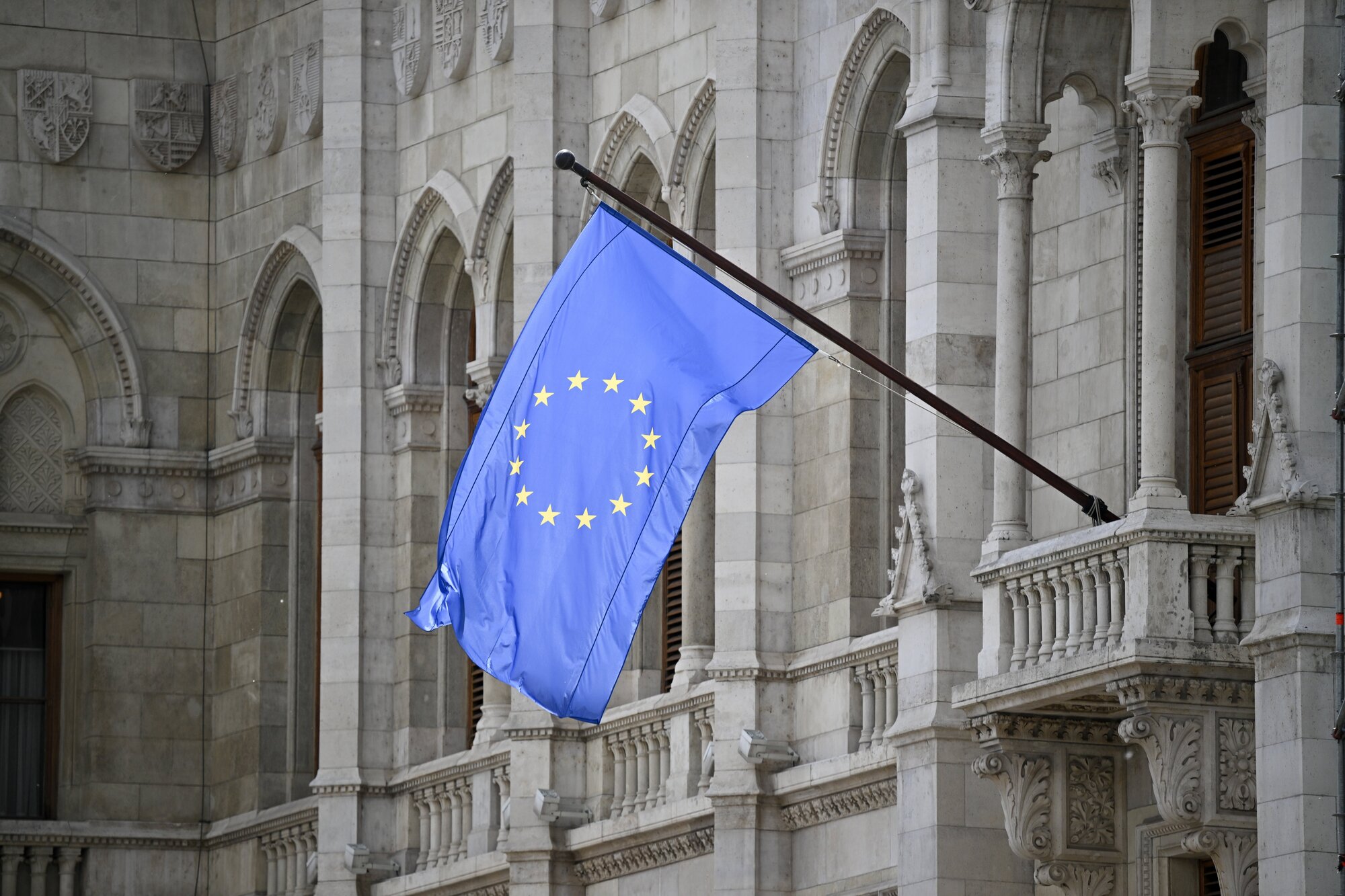
Five EU countries have prepared a proposal to limit the powers of future bloc members during a transition period after accession. According to Reuters, the initiative is being promoted by Denmark, the Netherlands, Austria, Sweden, and Finland — states that traditionally take a skeptical view of rapid EU expansion.
The logic is straightforward: Hungary has blocked or significantly delayed dozens of decisions over recent years — from aid packages to Ukraine to sanctions against Russia. Budapest used its veto right in the EU Council as a bargaining tool in its own internal conflicts with Brussels. The five countries want future members to simply not have this instrument during their first years of membership.
The specific mechanism has not yet been published. According to Reuters, the discussion centers on gradual granting of full voting rights — depending on how well a new country-member fulfills its commitments in the field of rule of law and judicial independence.
This has direct implications for Ukraine. Kyiv has officially been a membership candidate since 2022, and negotiations formally began in 2024. If the proposal from the five countries gains support, Ukraine could join the EU with a substantially diminished voice in the Council — at least for several years.
Supporters of the reform argue: this is the price of trust that new members must earn through practice, not declarations. Critics contend that this is second-class membership, which undermines the very idea of equality of states within the union.
The real conflict here is not between "old" and "new" Europe — but between two understandings of what EU membership means: a set of rights from day one or a process in which rights are built up proportionally to trust.
If the restrictive mechanism is adopted, a concrete question will arise: who and by what criteria will decide whether a new country has sufficiently "earned" full voting rights — and will this mechanism not become a new instrument of political pressure instead of the Hungarian veto?





