In early June 2026, the United States transmitted a written document to NATO allies with a specific list of cuts to the American military presence in Europe. This is the first case where the Trump administration formalized systematic reductions — rather than individual withdrawals from certain countries — as an official plan for the Alliance. The New York Times reported on the document's contents, citing two senior European officials.
What is being cut
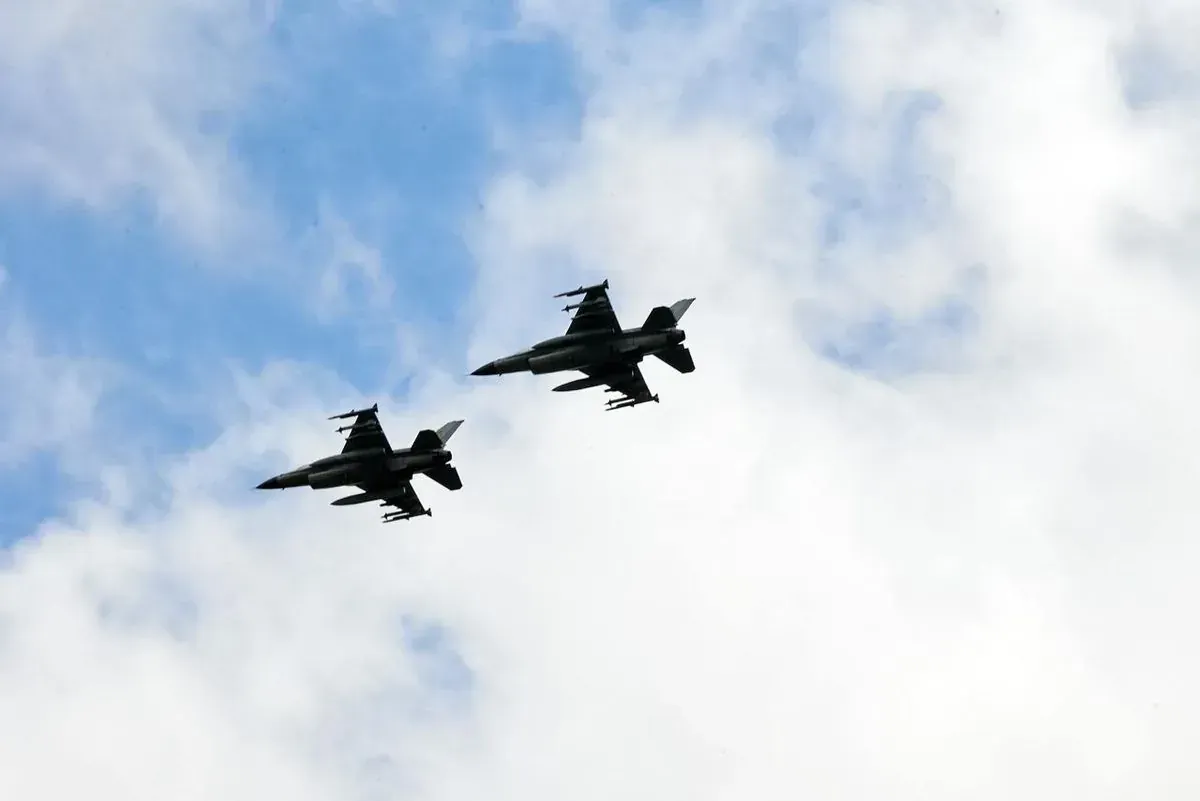
The figures are specific. The number of F-16 and F-15E fighter jets available for NATO operations is being reduced from approximately 150 to 100 units — a one-third decrease. Naval reconnaissance aircraft are being cut from 26 to 15 planes. All eight tanker aircraft previously available for Europe are being withdrawn entirely. Additionally, the US is relocating an attack submarine armed with Tomahawk missiles, an aircraft carrier with escort ships, and one of two strategic bomber groups previously assigned to defend the continent.
Tanker aircraft are a separately important item: without them, the range and duration of allied aircraft flights during extended missions are significantly limited. A submarine armed with Tomahawk missiles is a strike tool with a range of up to 1,600 km; when it is American, the deterrent effect against Russia is higher than if the same strike were delivered by Europeans — analysts note this difference.
"Each cut individually is manageable. Together — a different picture"
"While each of these cuts can be managed individually, together they represent a significant posture change and pose challenges to European deterrence readiness across the spectrum".
Giuseppe Spatafora, Institute for European Security Studies (EUISS), Paris
Spatafora is a former advisor in NATO's headquarters on Ukraine support and strategic forecasting. His assessment: the problem is not in any specific weapon system, but in the cumulative effect — the simultaneous weakening of intelligence, refueling, and strike capability creates gaps that Europe cannot yet fill quickly.
Washington's official position: "unhealthy dependence"
General Alexus Grynkewich, commander of U.S. European Command and Supreme Allied Commander Europe, publicly acknowledged the intentions in early June.
"There has been an unhealthy co-dependence in the NATO Force Model on US forces".
General Alexus Grynkewich, USEUCOM / SACEUR
The initiative is being led by Deputy Secretary of Defense for Policy Elbridge Colby — the same official who consistently advocates for prioritizing the Indo-Pacific theater over Europe. Allies learned the details on May 22 at a meeting in Brussels, and on June 2-3 the issue was discussed at NATO's force structure conference in Mons.
The context in which this is happening
In late May, a Russian drone struck a residential building in Romania — the first such strike in a major city on NATO territory. Meanwhile, Britain lost its defense minister due to an internal scandal over security spending levels, and Germany confirmed its withdrawal from a joint fighter project with France and Spain.
German MP Anton Hofreiter formulated the problem clearly: the issue is not just the number of aircraft, but whether they will arrive at all. According to him, "while Trump is president, there is no certainty whatsoever that the US will come to help in case of an emergency".
The Pentagon has not disclosed a timeline for implementing the plan, but American officials made it clear: the changes will occur much sooner than European partners expected. Despite the reductions, the US will remain one of the largest individual armies on the continent within NATO's structure.
Edward Arnold from Britain's RUSI assessed the cuts cautiously: it could have been worse, but it "will have a concentrating effect of minds".
What comes next
If Europe does not close the gap in refueling capacity and naval intelligence before the next NATO summit, the cuts will transform from a managerial challenge into a structural vulnerability — especially given that Russia is already testing the Alliance's limits with strikes on Romanian infrastructure.





