When Trump's special envoy John Cole flew to Minsk in March 2026 and left Independence Palace with news of sanctions relief for "Belaruskali," two banks, and Belarus's Finance Ministry, Kyiv did not support it. Now Washington wants more: for Ukraine to convince Europe to do the same.
What happened and why it's not just about fertilizers
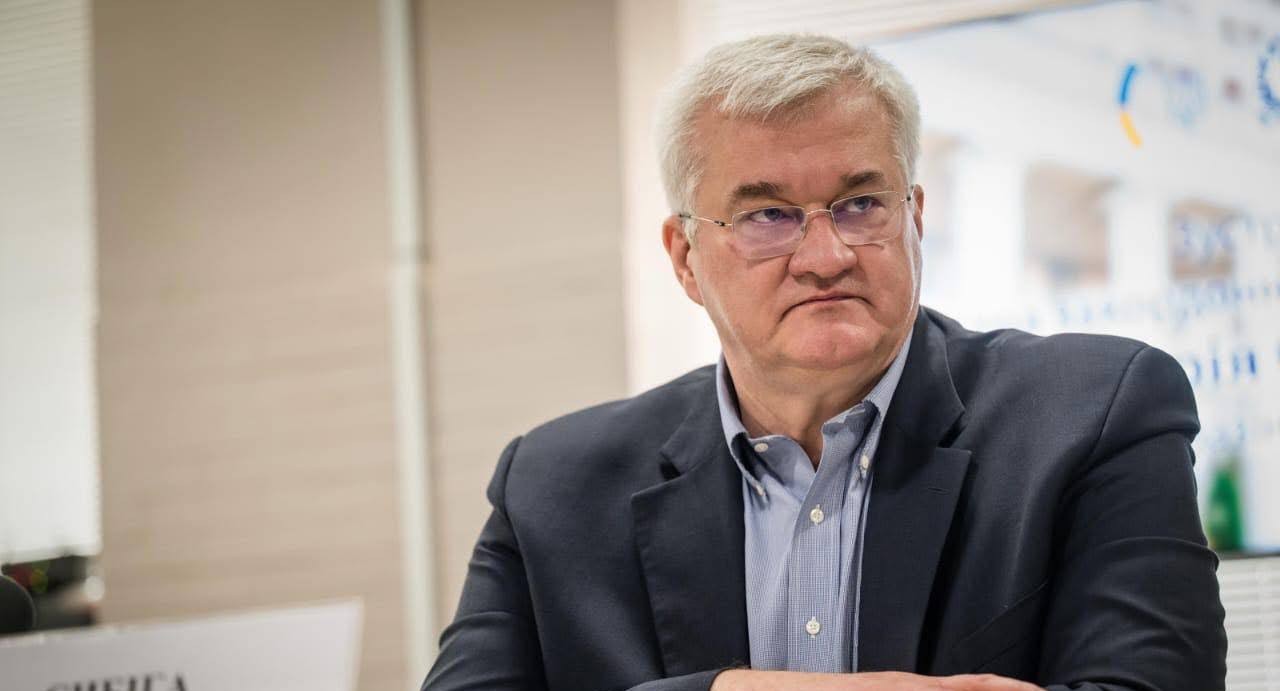
On May 25, Foreign Minister Andrii Sybiha held a joint briefing with Belarusian opposition leader Sviatlana Tsikhanouskaya, who made her first official visit to Kyiv to open a representative office of Belarusian democratic forces. Sybiha used the moment clearly: Ukraine does not support any sanctions relief against the Lukashenko regime.
A week before the briefing, Bloomberg reported that the United States is urging Kyiv to help remove European restrictions on imports of Belarusian potash fertilizers. Washington's argument: this could allegedly distance Minsk from Moscow. Sybiha responded directly.
"Don't harbor any illusions that any concession could pull Belarus out of Russia's sphere of influence. It won't work. It is too incorporated, too integrated with the Russians."
Andrii Sybiha, Ukraine's Foreign Minister
The minister refrained from commenting on whether the United States is truly pressuring Kyiv. However, he noted that attempts to influence Ukraine will not change the regime's policy.
Washington's logic — and why Kyiv disagrees with it
The United States has already gone down this path: in March 2026, after 250 Belarusian political prisoners were released, Washington lifted sanctions on "Belaruskali" — Belarus's largest producer of potassium chloride, which supplied over 20% of the world's potash fertilizer exports before 2021. Cole then emphasized: the relief was conditional, dependent on "sustained positive changes in Lukashenko's behavior" and could be revoked immediately.
This very "conditional" format is the problem from Kyiv's perspective. The control mechanism exists on paper, but Lukashenko continues to allow Russian troops and weapons to pass through his territory. The release of prisoners is a gesture, not a systemic change.
- After US sanctions in 2021, Lithuania terminated its transit agreement through Klaipėda — Belarus reoriented its potash exports to Russian ports.
- Tsikhanouskaya warned as far back as December 2025: "stop thinking you can separate Lukashenko and Putin" — they are in symbiosis.
- Parallel to Tsikhanouskaya's visit to Kyiv, the Foreign Ministry appointed an official responsible for contacts with the Belarusian opposition — the first such step in history.
What's next
Kyiv and Minsk's opposition are now building a common position: pressure, not concessions. But Washington has already taken the first step toward Lukashenko — and expects allies to synchronize.
If the EU does yield to pressure from the United States to ease sanctions on Belarusian fertilizers — not for the sake of releasing prisoners, but for agricultural lobbying interests — the question will no longer be directed at Lukashenko: whether Sybiha will retain leverage over this process if Kyiv is not party to the negotiations.





