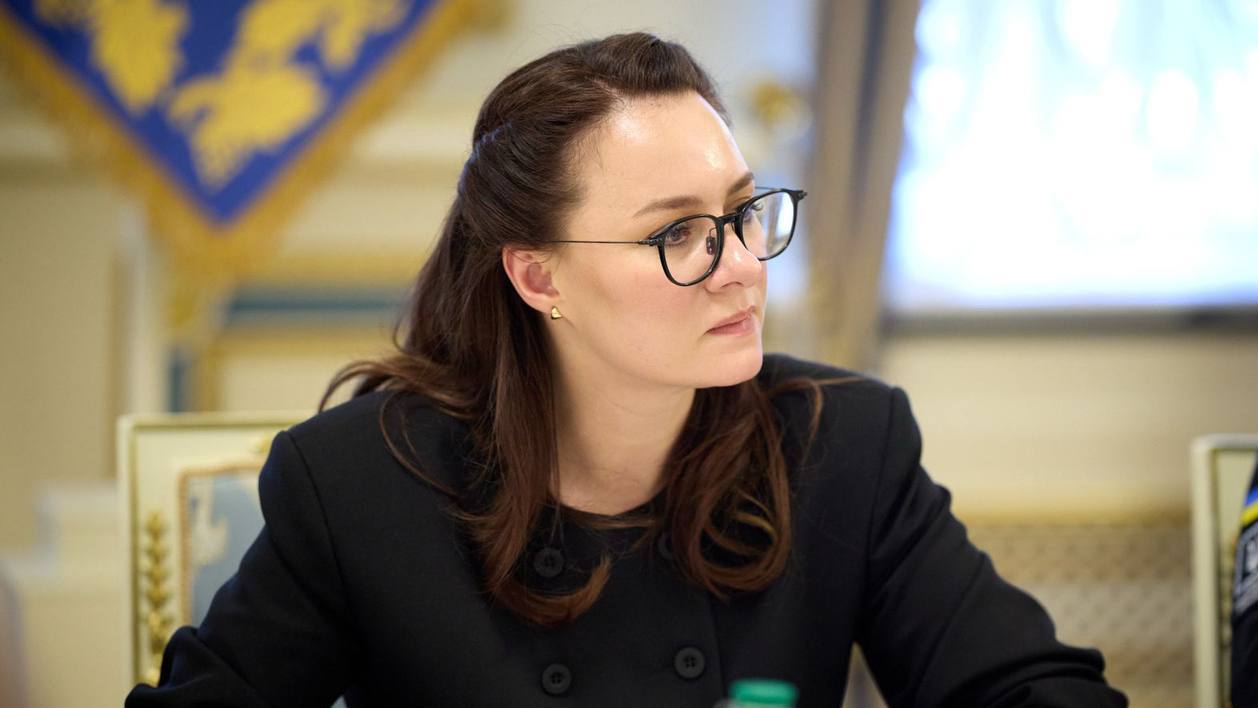
On April 19, Prime Minister Yulia Svyrydenko returned from Washington with a message that entrepreneurs welcomed as relief: the IMF would not require Ukraine to immediately introduce VAT for individual entrepreneurs. According to her, the Fund agreed that under current conditions, this requirement "is not constructive."
But the context of this "retreat" looks different from a negotiating victory.
Three Overdue Milestones — and None Fulfilled
Ukraine has not fulfilled any of the structural milestones it was supposed to implement by the end of March 2026 under the IMF's Extended Fund Facility program. In particular, this concerns three key commitments: strengthening the selection procedure for supervisory boards of state banks, adopting tax reforms, and appointing the head of the State Customs Service as a result of a competition.
Although the government submitted some bills, the Verkhovna Rada did not pass them — so the commitments are considered unfulfilled. Among other things: the government did not submit a number of draft laws, did not approve KPIs for the customs service head, did not publish a report on the National Revenue Strategy, and did not fill vacancies on the NBU Council.
What the IMF Wanted and Why It Met Resistance
The IMF demanded that Kyiv introduce a value-added tax for individual entrepreneurs earning above a certain threshold. The government was supposed to push through the relevant changes via parliament by March 31, but the bill is still awaiting even Cabinet approval.
The Fund insisted this was necessary to increase budget revenues and formalize the economy. The requirement sparked extensive discussions in Ukraine, and several MPs speaking on condition of anonymity told Kyiv Independent they expected an attempt to revise the terms precisely at the spring IMF meetings — given the norm's very low popularity.
"Cut everything you can cut in spending, and collect everything you can in taxes"
— this is how analysts describe the typical IMF logic when formulating memorandum requirements
Postponement — Not Cancellation
The new four-year IMF credit of $8.1 billion was approved in February 2026, and the first tranche has already been disbursed. But each subsequent tranche will be approved only if the Fund's requirements are met.
The VAT requirement for individual entrepreneurs is just one of four tax reforms under the program. The Verkhovna Rada passed one of the bills on April 7 — extending the military levy for three years after martial law ends. Two other bills — on a tax for digital retailers and on small import parcels — have not yet been passed.
Pressure on Ukraine intensified due to a financial deadline: the EU approved a €90 billion loan in December to cover two-thirds of Kyiv's needs for 2026–2027, but Hungary blocked it over a dispute regarding the "Druzhba" pipeline. Progress on reforms within the EU this week unblocked €2 billion, which will allow financing Kyiv approximately until mid-year.
VAT for individual entrepreneurs did not disappear from the agenda — it simply has no implementation date. Svyrydenko called this "further discussions." The IMF did not abandon the requirement; it postponed it — without a new deadline.
If the Rada does not pass at least two of the three remaining tax bills by the June program review, the second tranche of $8.1 billion will face a real threat — regardless of what "flexibility" was discussed in Washington.





