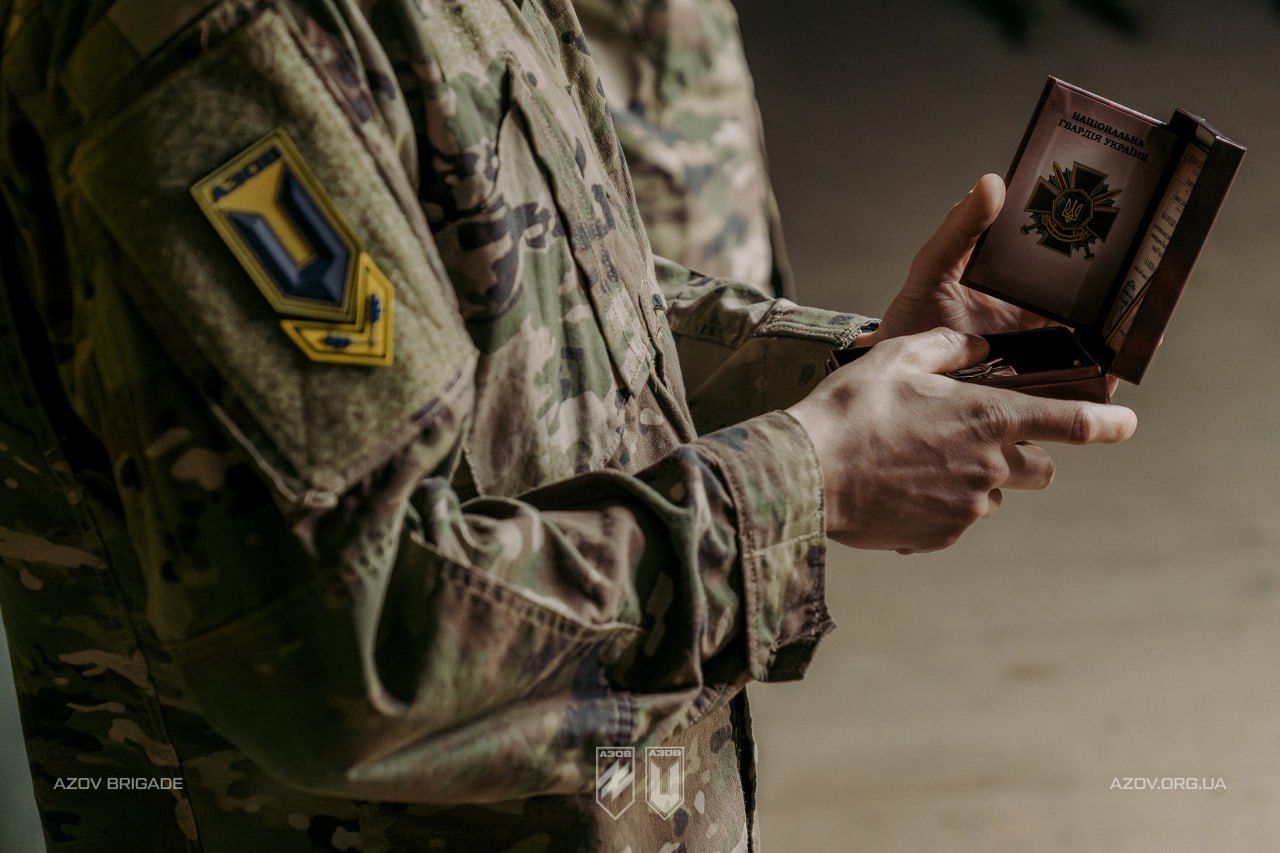
Everyone returning from Russian captivity automatically undergoes verification — both at the security service level of the unit and at the level of special services. Officers of the 12th special operations brigade "Azov" told LIGA.net about this against the backdrop of a scandal surrounding Sergiy Yermoshin, known as Yermolai, who was publicly accused of collaborating with the administration of the colony in Olenivka.
Andrii Ignatyuk, deputy commander of "Azov" for personnel work, says that a trained eye can spot the problem almost immediately: "Even at the stage of return, you can see when a person has some guilt on their conscience." It sounds convincing, but this is exactly where a practical question lies hidden, one that is rarely discussed publicly: by what specific signs is this visible, and don't they sometimes confuse trauma with guilt.
What is actually being checked
A person who has come out of captivity is not a blank slate. Behind them are months or years of psychological and physical pressure, isolation, often — deliberate work by the occupiers to sow distrust among comrades. A check for collaboration with the enemy must take this context into account, otherwise it risks becoming a repeat punishment for those who simply survived.
In Yermolai's case, the situation is complicated by the fact that the accusations were made publicly and by people who themselves went through the same captivity. "Azov" suggests that this is about a personal conflict between former prisoners of war — rather than a systemic failure in the verification procedure.
Why this is not an isolated case
Law enforcement has already documented cases where Ukrainian captives collaborated with Russians. In June 2026, a National Guard member was suspected of abusing fellow soldiers during captivity. In July — another NGU fighter, suspected of collaborating with Russian special services.
These cases show that verification after return is not a formality, but a necessity dictated by real experience. But each such case also reinforces distrust within units where hundreds of fighters are still waiting for an exchange and return home.
In Russian captivity, "Azov" fighters face cruel and humiliating treatment, and Moscow deliberately delays exchanges, keeping people for years without certainty.
The question that remains open: will the current multilevel verification be sufficient to distinguish real betrayal from the consequences of trauma and personal conflicts between those who went through the same nightmare?