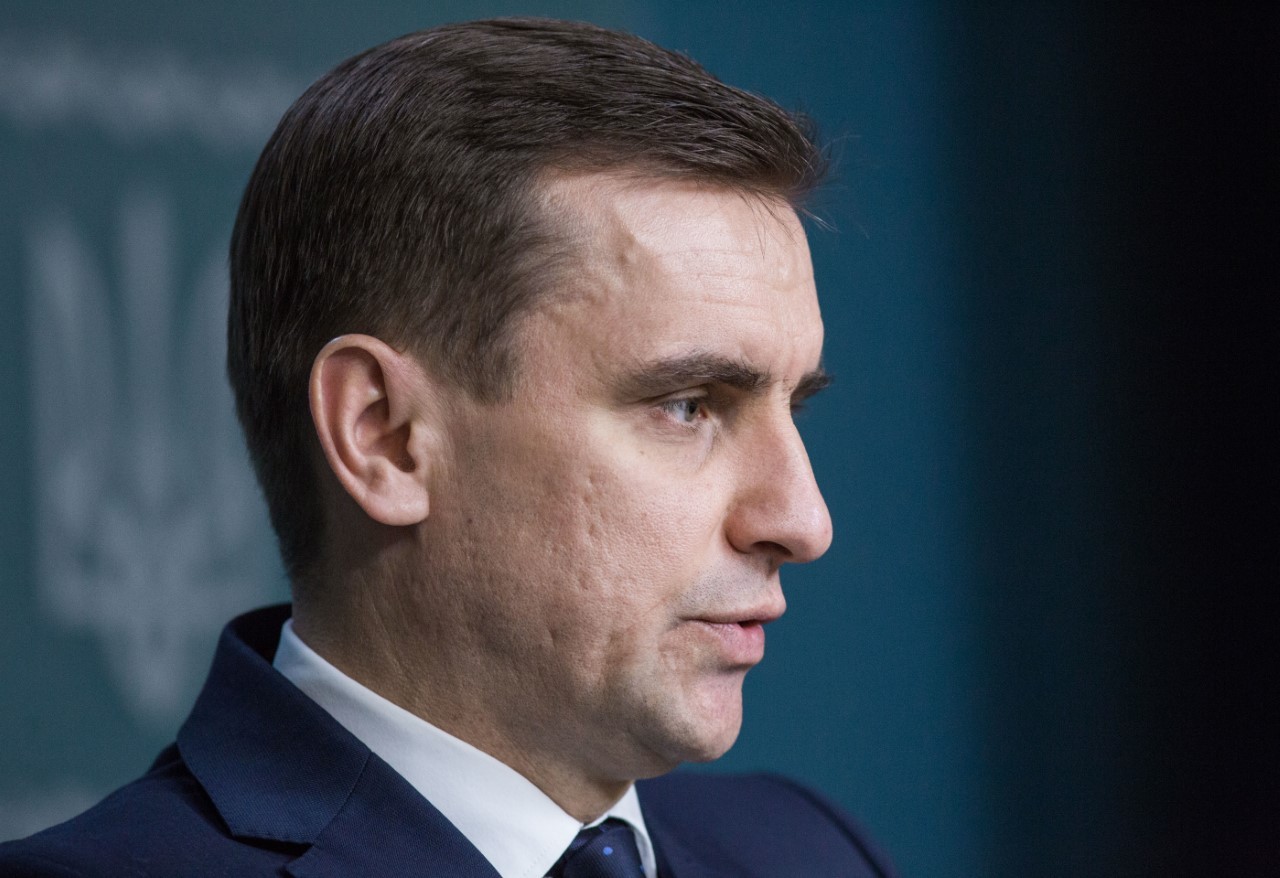
Kostiantyn Yelisieiev, the former deputy head of the Presidential Administration and Ukraine’s ambassador to the EU, posed a simple question: if NATO is truly in danger — who benefits from saying that out loud?
According to him, the Alliance survived De Gaulle, who withdrew France from the military command, and endured the crises of the 1960s, 1980s and 2000s. Trump is not the first American president to question the value of collective defense for the United States. But every time this discussion enters the public sphere, it works not for NATO reform, but for Moscow.
“Public discussion of threats to the defensive alliance is already a Russian narrative,” Yelisieiev puts it. The difference between internal criticism and an external display of weakness, he argues, is fundamental: the first strengthens the institution, the second invites the adversary to escalate.
Yelisieiev’s position fits a broader pattern: after every Trump statement about the “unfair” distribution of costs in NATO, Kremlin media instantly amplify the rhetoric as confirmation of the “collapse of the West.” Not because it is true — but because it is a convenient frame.
At the same time, the problem is real: only 23 of the Alliance’s 32 members meet the defense-spending guideline of 2% of GDP as of 2024. Trump criticizes precisely this imbalance, and on that point his argument has merit. But criticism of the imbalance and a public doubt about the bloc’s effectiveness are different things with different consequences.
Yelisieiev does not explain exactly where that line should be drawn or who has the right to define it. If public pressure from the United States forced Europeans to increase spending — and that is what happened after 2017 — is such “dangerous” rhetoric actually a tool of reform rather than a threat?





