Negotiations on Ukraine's accession to the European Union have been proceeding technically—without an official start—since mid-2024. Hungary under Orbán blocked the formal opening of any cluster for 17 months. The blockade was lifted on June 3, 2026: new Prime Minister Péter Magyár gave his consent in exchange for an agreement on the rights of the Hungarian minority in Ukraine.
What is being opened and what it means
On June 15 in Luxembourg, two separate intergovernmental conferences are taking place—one for Ukraine, one for Moldova. They are opening cluster №1 "Fundamentals," which covers the rule of law, judicial independence, anti-corruption efforts, public administration reform, and economic membership criteria.
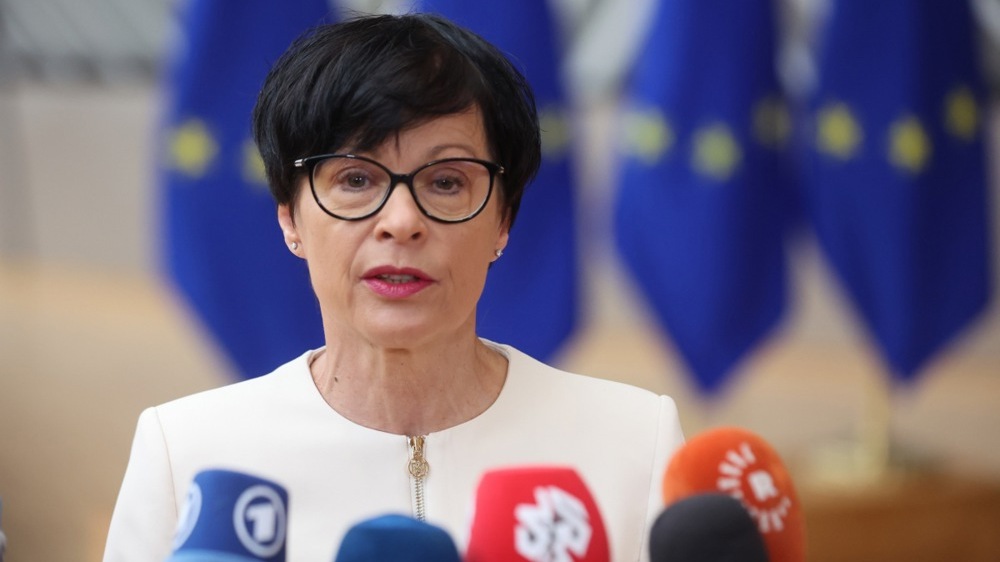
"Today is truly a mega-Monday for the enlargement process. At last we will be able to open the first cluster for both countries. Because they have fulfilled their obligations."
Marta Kos, European Commissioner for Enlargement
Opening a cluster is not membership and not an accession date. It is the beginning of formal technical negotiations on a specific legislative block: Ukraine agrees on benchmarks with the EU (reform performance indicators), implements them, undergoes assessment—and only then is the cluster closed as completed.
The Magyár agreement: what was signed and what was omitted
The agreement between Kyiv and Budapest, which unblocked negotiations, provides for the expansion of linguistic, educational, cultural, and political rights of the Hungarian community in Ukraine. It became the condition for lifting Hungary's veto. However, the agreement was signed without a clear external control mechanism for its implementation—the European Commission will assess progress within the framework of general euro-integration monitoring.
According to The Guardian, at the time of the cluster opening, Ukraine had completed only 15% of the reforms from the 10-point plan agreed with the EU in December 2025. The plan includes strengthening the independence of NABU and SAP, adopting an anti-corruption strategy, and reforming the appointment of judges and prosecutors.
Five clusters—in July, but not automatically
Kos announced that the remaining five clusters are planned to be opened in July—after EU member states agree on joint positions regarding each of them. This requires a unanimous decision by the EU Council. In other words, theoretically any country could again slow down the process.
- Cluster 1 "Fundamentals"—rule of law, democracy, human rights, economy (opening June 15)
- Clusters 2–6—internal market, competitiveness, green transition, agriculture and food, external relations and financial issues (expected in July)
Vice Prime Minister for Euro-Integration Taras Kachka stated that Ukraine is at the final stage of implementing rule of law reforms necessary for accession. According to EU officials' assessments, with sufficient political will, technical negotiations could last about four years—but membership remains a political decision.
If all six clusters are opened simultaneously in July, Ukraine will for the first time have a full-fledged negotiation format across all areas of euro-integration—the question is whether it will manage to accelerate the pace of reforms to a level that the EU considers sufficient for closing the first cluster by the end of the year.





