A family in northern Germany is looking for a place in a nursing home for an elderly grandmother not because it's time, but because staying at home during extreme heat has become dangerous for her. Such requests to Clariane operators increased by 15% this summer — and the company is already prepared to spend €10 million on air conditioning to keep up with demand. This is one of millions of small decisions that make up a new economic fact: extreme heat has stopped being just weather.
According to AlphaSense, a market analysis platform, in recent weeks one in ten major European companies with a market capitalization over $1 billion mentioned extreme heat, drought, or wildfires during discussions of their financial results with investors and analysts. This is reported by Financial Times.
Who profits from the heat
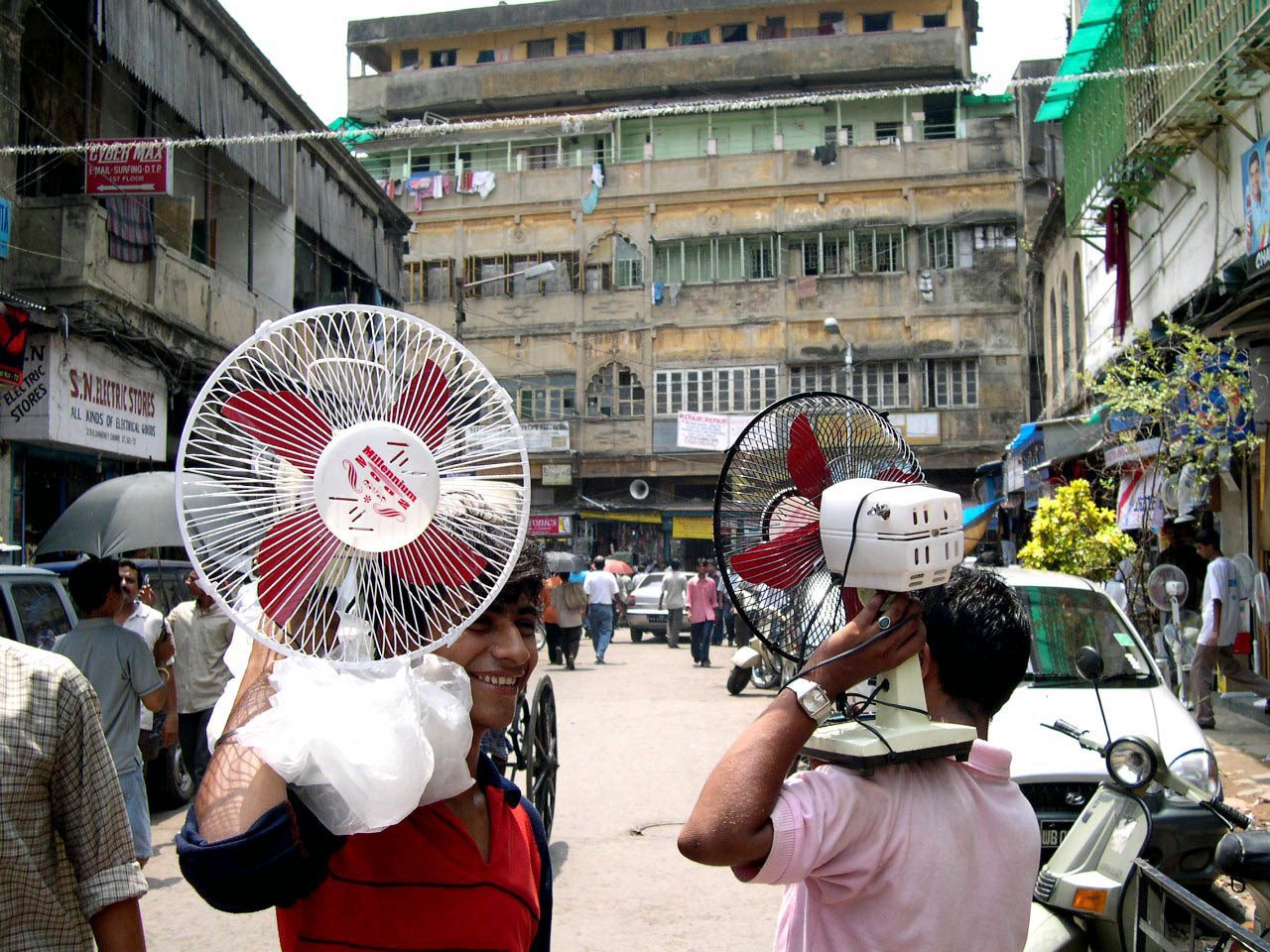
For some businesses, abnormal temperatures simply mean increased sales. Home appliance manufacturer Groupe SEB sold 30% more fans in Europe in June compared to a year earlier. For German Beiersdorf, June became the most successful month in the history of sunscreen sales.
Parallel to this, demand is growing for air conditioners, pools, groundwater pumps, and generators. Stefan Timmermann, head of German pump manufacturer KSB, reported a sharp increase in orders from farmers who, due to drought, must extract groundwater from greater depths — meaning the crisis of some farms became an order for others.
Who pays for the heat
For another part of the economy, the same phenomenon means only expenses. Construction crews are forced to reduce working hours due to high temperatures, while energy companies face problems with cooling water. Some enterprises are already changing work practices and investing in air conditioning to adapt to a hotter climate.
Herein lies the main conflict: the money that Clariane directs toward cooling nursing homes is not an investment in growth, but a payment to simply maintain the business at the same level. The same applies to construction workers who lose working hours and energy companies lacking cold water for their stations.
Who considers this a new norm — and who doesn't
Company executives are divided in their assessment of whether this heat is a temporary episode or a new standard that will require rebuilding business models. Engie CEO Catherine Macgregor called 2026 a "turning point," emphasizing that climate is becoming less predictable and more extreme.
Meanwhile, executives at H&M and airline Jet2 consider this year's heat rather a temporary phenomenon that should not significantly change their business models. The difference in assessments is simple: for a clothing retailer or airline, heat is seasonal demand fluctuation, but for a utility company or pump manufacturer, it's a yearly structural problem with water and cooling.
The price at the economic scale
Individual company decisions add up to a macroeconomic figure. According to Dutch Triodos Bank, the current heat and drought could reduce EU GDP by approximately 1%, or about €180 billion, mainly through falling labor productivity.
This means that even companies not directly working with heat, water, or cooling will feel the effect — through slowdown of the entire European economy, which no sector is immune to.
- In Ukraine, temperature records were set in six cities on May 5.
- In Japan, an official term was introduced for extreme heat exceeding 40°C.
If the number of companies mentioning heat in their reports continues to grow each summer, the question will stop being environmental: investors will have to factor in a "climate premium" or "climate discount" into stock valuations as routinely as they now factor in exchange rates or oil prices.