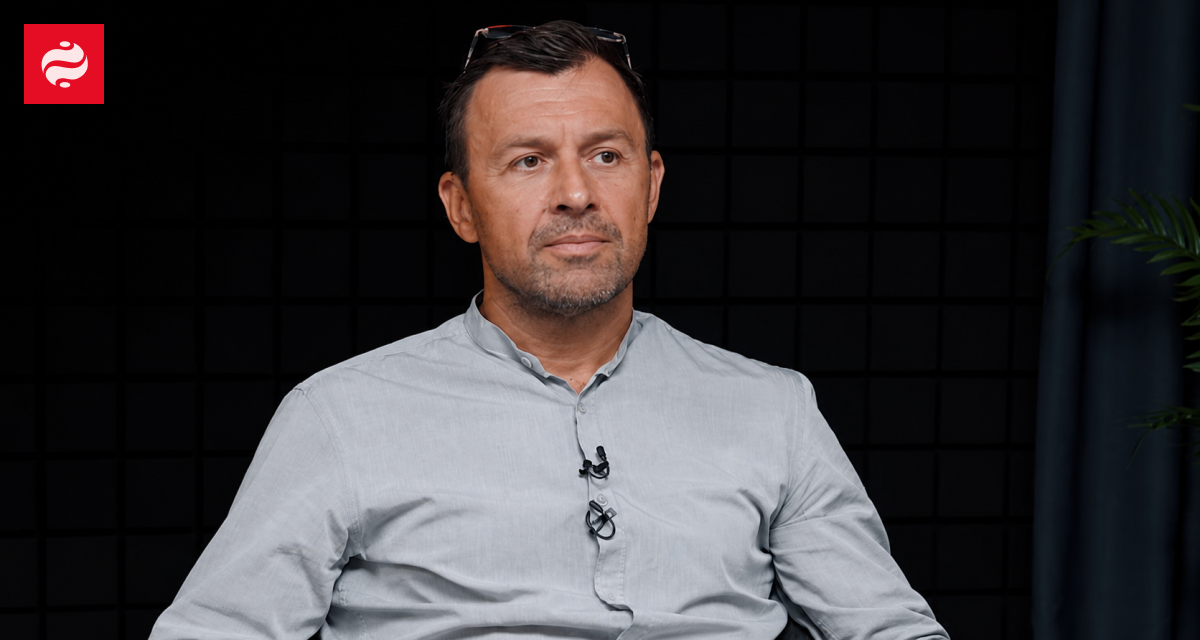
The fourth episode of the "War Money" podcast on the LIGA Business channel could have passed as another analysis of macroeconomics. But the guest — military officer and former banker Andrii Onistrat — immediately shifts the conversation from abstract figures to practical matters: what exactly does the disappearance of the middle class mean for someone who is now trying to start a business, take out a loan, or simply preserve savings.
The World Bank headline and what lies behind it
The World Bank's research on poverty levels in Ukraine caused a stir precisely because of the headline. Onistrat suggests looking deeper: the issue is not in the figure itself, but in the structure of losses. The middle class is the part of society that pays the main taxes, borrows, and creates demand for long-cycle goods. When this group shrinks, the economy loses not just income, but the ability to recover without external support.
Attacks on warehouses — it's about banks too
At first glance, strikes on logistics and warehouses are a matter of production and retail. Onistrat shows a different connection: damaged logistics means disrupted supplies, halted payments, and problematic loans for banks that financed these chains. The banking system experiences the consequences of strikes with a delay of several months — exactly when statistics no longer speak about the specific attack.
Why weapons manufacturers have no money despite record demand
The most practical part of the conversation is about Miltech companies. Demand for their products is critical, orders exist, but there is no working capital. The reason lies in the length of the production cycle: money for a contract arrives months after the company has already spent resources on raw materials, components, and wages. Bank lending does not always close this gap for everyone.
Onistrat explains how some companies try to avoid this trap through bond issuance — attracting private investors directly, without a bank intermediary. The mechanism is not new for business in general, but for the defense sector in Ukraine it is only taking shape, and the issue of investor confidence here is no less important than the issue of profitability.
The NBU between stabilization and liberalization
A separate part of the conversation concerns the National Bank's policy, which Onistrat calls a "military stabilizer," and the recent currency liberalization. The question that remains open: is liberalization moving faster than the economy's ability to withstand it while the war continues and businesses continue to lose assets under fire.
If the trend of middle class reduction and lack of working capital for weapons manufacturers does not change over the next year, will the banking system withstand the double pressure — from military losses and from returning to pre-war rules of the game?
- Previous episodes of the "War Money" podcast with Andrii Onistrat are available on the LIGA Business channel.