On the night of July 3, units of Ukraine's Defense Forces struck a series of targets of the enemy on the temporarily occupied Crimean Peninsula. Three confirmed targets in one night — a railway bridge, an electronic warfare station, and a radio electronic reconnaissance unit — fit the logic that the General Staff of the Armed Forces of Ukraine describes as "reducing the offensive potential of the aggressor."
What was hit
The railway bridge across the Krasnogvardiysk Canal in the Krasnogvardiysk area — approximately 30 km north of Simferopol — is used by occupiers to transfer personnel, weapons, ammunition, and material resources. According to the General Staff of the Armed Forces of Ukraine, the extent of the damage caused is being clarified.
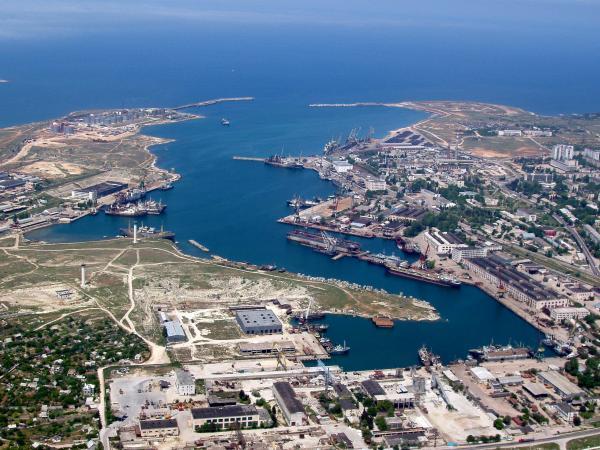
The second target was a radio electronic warfare station in the Artemivka area (Crimean AR). The third was a radio electronic reconnaissance unit of the occupiers directly in Sevastopol.
"The city hit by the Defense Forces is used by the enemy for military logistics, transfer of personnel, and supply of weapons and ammunition."
General Staff of the Armed Forces of Ukraine, July 3
Tactical context: why electronic warfare and reconnaissance
The strike on the radio electronic reconnaissance unit in Sevastopol and the electronic warfare station in Artemivka is no coincidence. Radio electronic warfare systems suppress signals from Ukrainian drones, while reconnaissance intercepts communications and determines coordinates — both types of targets directly protect the Russian grouping in Crimea from further strikes. Their degradation facilitates subsequent operations.
In a separate section, the General Staff confirmed previously documented results: on June 29, two spans of an automobile bridge in the Azovsk area were destroyed (Zaporizhzhia region), on July 1 — three spans of the bridge across the Kalka near Granite in Donetsk region. The occupiers used these crossings for logistics in temporarily occupied territories.
Isolation of Crimea: where this night fits in the bigger picture
The strike on the Krasnogvardiysk bridge is not the first and apparently not the last in a series. According to analysts at Kyiv Independent, since late May, Ukraine has systematically destroyed railway and automobile crossings on approaches to Crimea. Previously, bridges near Vladislavivka, crossings at Chongar and Armyansk, and the railway hub in Dzhankoi were hit. In June, the Special Operations Forces confirmed the destruction of the railway bridge across the North Crimean Canal near Rozdolne — Planet Labs satellite images captured the destruction.
As the Institute for the Study of War (ISW) notes, each new strike in the area of the Kerch Strait and the Crimean Isthmus brings the peninsula closer to logistical collapse. According to Defense Minister Fedorov, "logistics are being cut off, Crimea is being isolated."
- Fuel: of the seven ferries that provided shuttle service between Russia and Crimea at the beginning of the year, according to NV estimates, only two remain combat-capable.
- Electricity: prolonged outages have been recorded after strikes on energy infrastructure.
- Railway: several key crossings are either destroyed or damaged — the land corridor through Zaporizhzhia and Kherson regions becomes the only supply route, but it is also under "medium-range" strikes.
The question is not whether these strikes have logic — it is obvious. The question is whether the rate of destruction of crossings will be fast enough before Russia manages to restore or rebuild supply routes: if the railway corridor through Dzhankoi is finally put out of service by the end of August, Crimea will find itself in a situation where automobile logistics cannot compensate for the deficit.