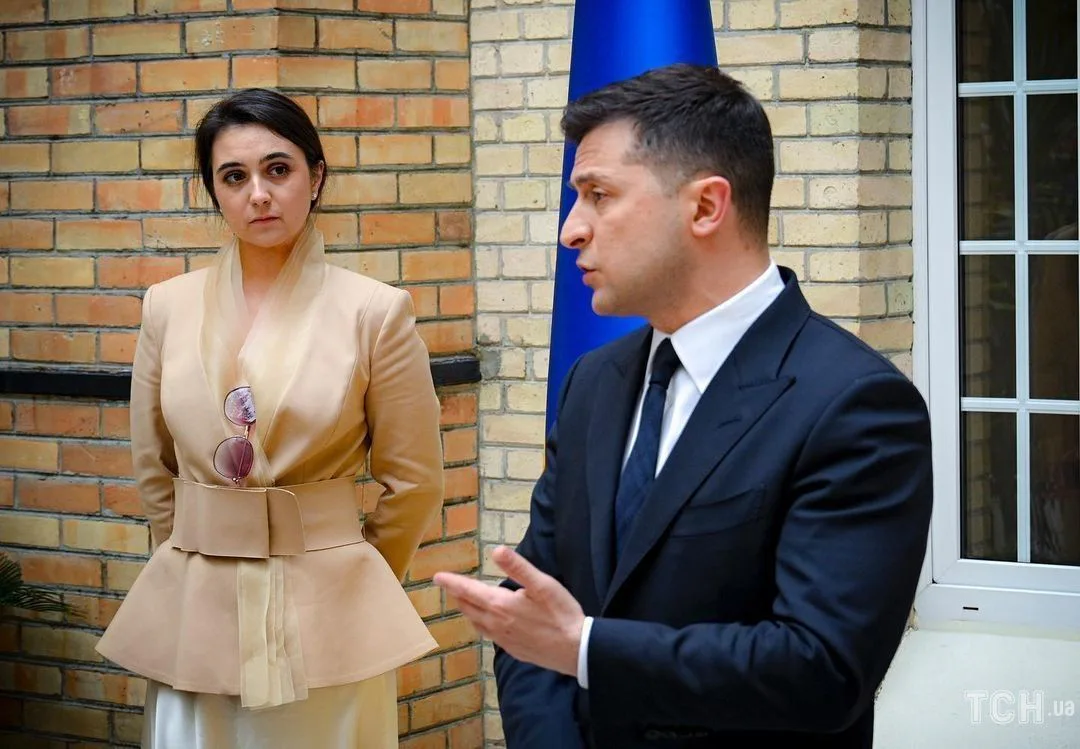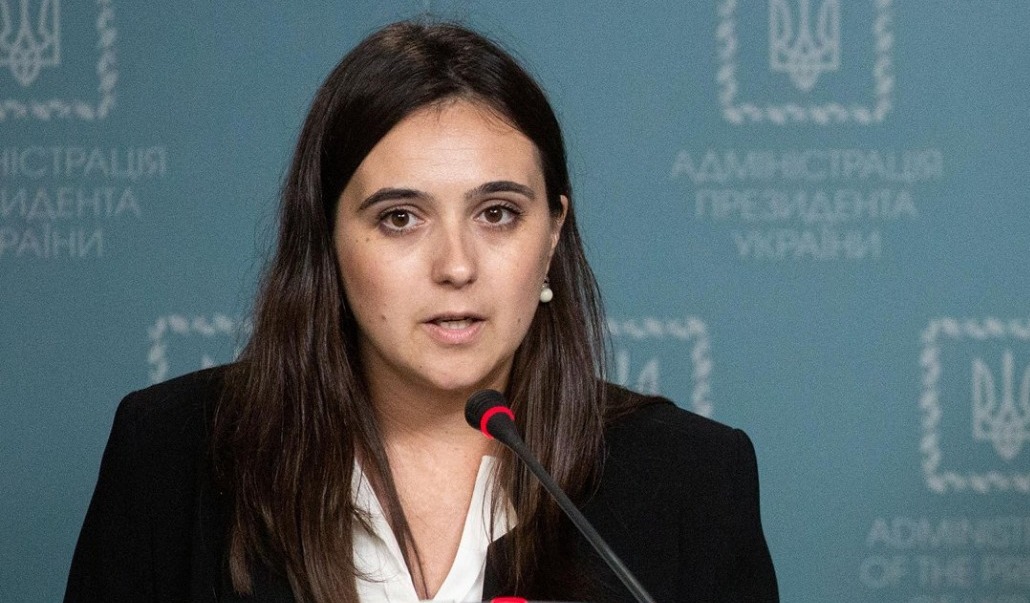
By Decree No. 901/2026 dated September 13, President Volodymyr Zelenskyy implemented an NSDC decision on personal economic sanctions against his former press secretary Yulia Mendel. Formally, this is the same tool the state applies to oligarchs and collaborators — only this time the target is a person without known business or assets in Ukraine, a public figure who, after leaving the President's Office, became a commentator for Western audiences.
By the same decree, as well as Nos. 899/2026 and 900/2026, the head of state approved sanctions against 20 vessels of the Russian shadow fleet and against 29 citizens and 29 companies assisting the war — including enterprises of the Rostec corporation. This is the part of the package where the economic effect is obvious: the shadow fleet transports oil around the price cap, and Rostec manufactures weapons. Mendel in this list is an exception that draws attention precisely because it does not fit the logic of blocking money flows.
What sanctions physically mean for a person
Personal economic sanctions in Ukrainian legislation are, first and foremost, asset freezing and a ban on capital withdrawal from the country, as well as restrictions on trade operations and license revocation if applicable. For a civil servant or businessman, this is a painful instrument. For a private individual who publicly lives abroad and earns money through interviews and public appearances, the real financial effect of such a decision in Ukraine is minimal — its weight is more symbolic and reputational than accounting-based.
Mendel was added to a new sanctions list of 10 individuals. Her name stands alongside other propagandists, such as Russian "war correspondent" Isabella Liberman, who is also a candidate for Russia's State Duma; Yevgeny Strunkin, head of a Russian cultural-tourist foundation; pro-Kremlin writer Oleg Rezepkin; or employees of the pro-propaganda online publication "Bloknotʺ. Ukraine will pass all information to partners for sanctions synchronization in international jurisdictions, the President's Office added — and this is already a matter not of Ukrainian assets, but whether the EU and USA will agree to recognize the former press secretary as a threat at the same level as Russian war correspondents.
Mendel's reaction
Mendel commented on the decision on Facebook, emphasizing that it does not change her position.
"This does not change my position, just as it does not change the position of millions of Ukrainians. For Ukraine to survive, it needs peace, not another dictatorship, even if it is Zelenskyy's dictatorship," she wrote.
According to her, she "suspected" the possibility of sanctions and also knows about the preparation of suspicion of state treason for an interview with American propagandist Tucker Carlson. She called the sanctions against herself as a Ukrainian citizen unconstitutional.
Within days, Mendel is to speak in the European Parliament — on September 16 in Strasbourg, the far-right Alternative for Germany party is organizing a discussion titled "Ukraine. Dare for Peace. Diplomacy, not Escalation," which Mendel had previously announced on her social media. The sanctioned status on the eve of this appearance looks not like a random coincidence in time, but rather an attempt by the state to publicly mark the boundary between criticism and participation in platforms used by pro-Russian propaganda in the West.
Legal vulnerability of the instrument
This is not the first time Zelenskyy has signed economic restrictions against Ukrainian citizens. Lawyers previously explained to LIGA.net that such sanctions are possible under the law but remain vulnerable to court challenges. In May this year, the president already signed sanctions against his former legal adviser and ex-head of the President's Office Andriy Bohdan. The NSDC also introduced sanctions against businessmen Igor Kolomoysky, Kostyantin Zhevago, and Hennadiy Boholyubov, ex-MP traitor Viktor Medvedchuk, former OP adviser Oleksiy Arestovych, and fifth president Petro Poroshenko — the latter is challenging this decision in court.
The Poroshenko precedent shows the main risk for the state: if a court finds the grounds for sanctions against a public figure insufficient, the entire mechanism of targeted decrees against Ukrainians comes into question. The question now is whether the decision against Mendel will withstand court scrutiny — and whether anyone among the sanctioned will dare challenge it before the September 16 event in Strasbourg.