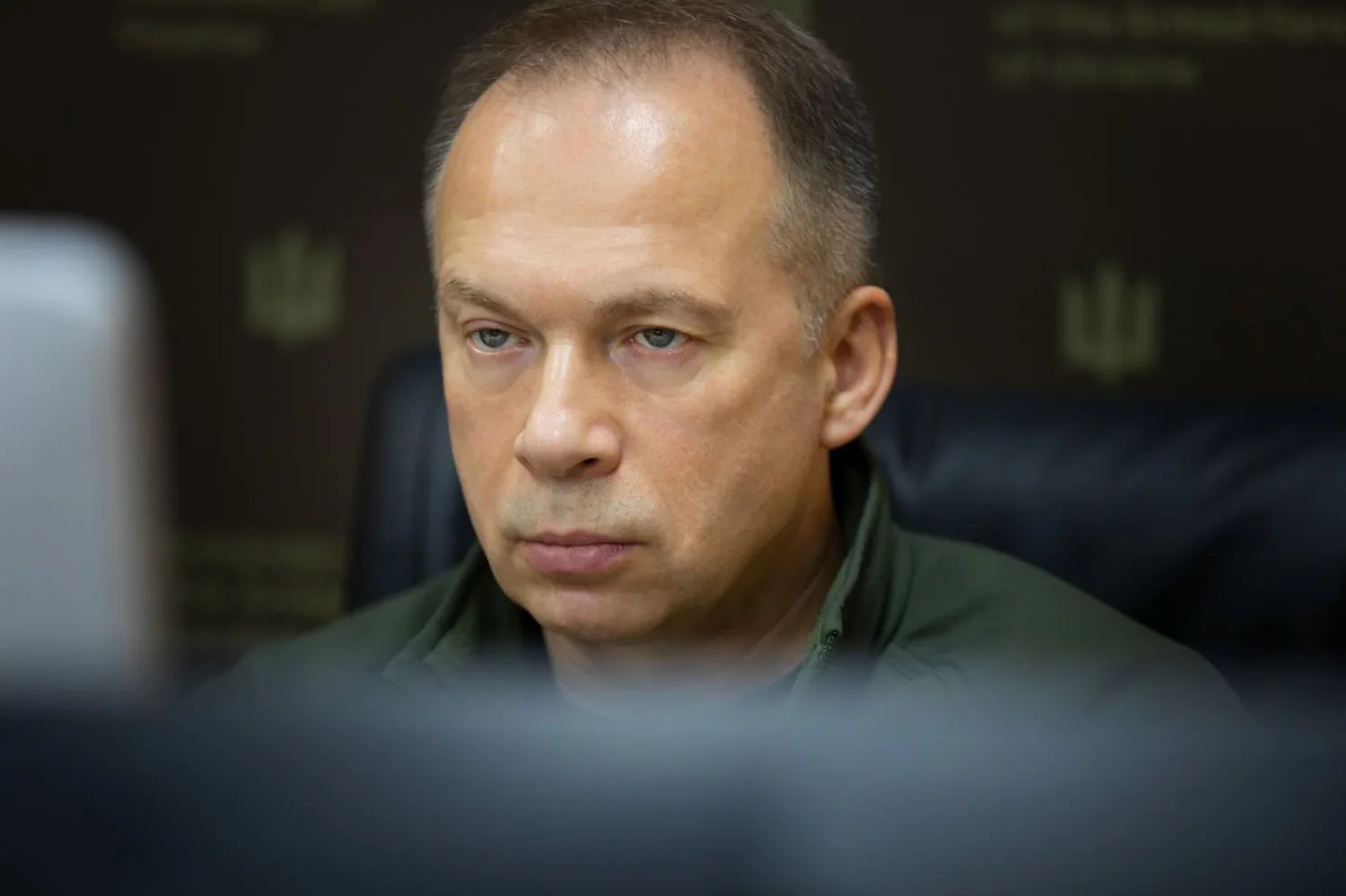
From a Minister's Resignation to a Command Crisis
What was supposed to be a routine personnel decision spiraled into the largest military leadership crisis in years of Zelenskyy's presidency within a week. On July 16, the Verkhovna Rada dismissed Defense Minister Mykhailo Fedorov — and the very next morning, people took to the streets with cardboard signs in Kyiv, Lviv, Odesa, and Dnipro in protest.
Initially, the demand was simple: bring Fedorov back. But the demonstrations quickly changed direction. According to Espreso, citing FT, it was precisely the growing protests that prompted the president to consider removing Sirsky — actions that initially targeted the defense minister are now directed personally against the commander-in-chief.
What Lies Behind the Conflict Between the Two
The official Bankova version is that a conflict between the minister and the commander made their cooperation impossible. But Fedorov presented a different perspective at a briefing on July 16.
"I did not set a condition: either me or Sirsky. I said: we will defeat Russia with such a commander. In truth, Sirsky saved our country in 2022. But the war has completely changed. I was ready to work peacefully until the commander-in-chief gave an ultimatum."
Mykhailo Fedorov, former defense minister, briefing July 16
According to Fedorov's version, the split is strategic: he insisted on asymmetric warfare — drones, roboticized systems, open tenders. Sirsky, whom soldiers call the "Butcher," remains a proponent of the traditional approach focused on holding positions. As NV reports, citing the former minister's words, Sirsky "blocked all Defense Ministry initiatives" and "was not prepared to discuss problems, instead ready to weave intrigues."
What Is Known About Finding a Replacement
According to Financial Times, citing a senior official from the Presidential Office, this past weekend Zelenskyy is gathering military commanders to hear their assessment of the situation at the front, and in parallel conducting interviews with candidates for the commander-in-chief position. The condition is clear: the president is willing to dismiss Sirsky only if he finds someone who can seamlessly take command and ensure defense along the 1,200-kilometer front line.
Meanwhile, 24 Channel, citing sources in the Defense Ministry, reports that there are currently no internal discussions about replacing Sirsky within the ministry — which either indicates the process is isolated within the Presidential Office, or is an intentional leak through FT as a pressure tool.
- Koziatynsky and protesters demand Sirsky's dismissal and Fedorov's reinstatement.
- Commander of "Da Vinci's Wolves" Filimonov — whose battalion is closely linked with Koziatynsky — received a reprimand from Sirsky; its reason was not announced.
- Deputy Commander of the Air Force Yelizirov submitted a resignation report — directly citing Fedorov's resignation as the reason.
Why Now and Who Benefits
Zelenskyy publicly assured that he has no plans to dismiss Sirsky — and even acknowledged that without him, Fedorov and Sirsky "did not sit down at the negotiating table." The turnaround occurred not due to new facts about command quality, but rather street pressure and media momentum. This sets a precedent: civil society for the first time forced Bankova to reconsider its position regarding a figure in the military hierarchy.
The beneficiary is obvious — Fedorov, whose public briefing with direct accusations against Sirsky came too polished for someone who had just been "removed." The NYT describes the situation as a split between two models of warfare — industrial and technological — and notes that this conflict has been brewing for a long time.
If Zelenskyy dismisses Sirsky under street pressure rather than military logic, a specific question arises: will a new commander be able to carry out the reform Fedorov demanded, or will a change of faces without structural change merely delay the same conflict for another year?







