Briefly — why this matters
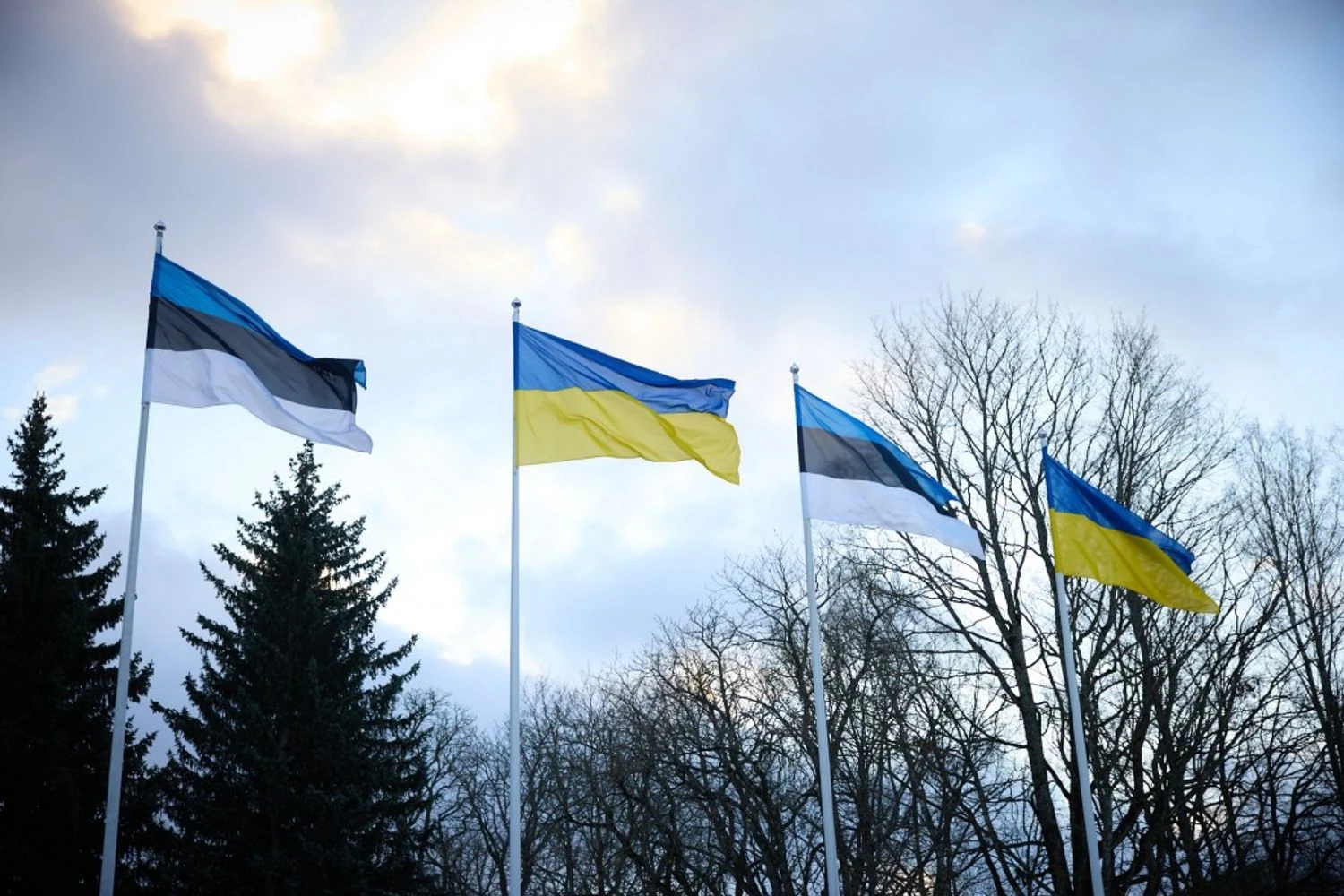
Estonian public broadcaster ERR announced that it will not broadcast competitive coverage of the Milan-Cortina Winter Paralympic Games if athletes from Russia and Belarus compete under their national flags. This is not just an editorial decision — it is a signal of how part of the European media is responding to the return of Russian and Belarusian athletes to international competition. For Ukraine and its partners, this issue is not only about morality but also about informational and diplomatic weight.
ERR's position
Head of ERR’s sports editorial office Rivo Saarna emphasized that the broadcaster rejects normalizing the actions of aggressor states through sport and therefore will not show broadcasts that feature athletes from Russia and Belarus under national symbols. At the same time, ERR is not refusing to cover the Games entirely: the channels plan to air the opening and closing ceremonies, but with additional context about the decisions of international organizations.
"ERR unequivocally condemns the normalization of the actions of aggressor states through sport and the Olympic movement and does not accept the decision to admit representatives of Russia and Belarus to the Paralympics under state flags."
— Rivo Saarna, head of ERR’s sports editorial office
What the IPC decided and what reputable media report
The International Paralympic Committee (IPC) lifted previous restrictions and allowed some athletes from Russia and Belarus to compete under national flags. BBC Sport reported about 10 invited athletes (6 from Russia, 4 from Belarus) who received quotas through the bipartite commission. This decision has drawn criticism in several countries and among parts of the sporting community — and it is in this context that broadcasters and politicians are reassessing their positions.
Regional reaction and possible consequences
ERR is not alone in its approach. The Latvian public broadcaster LSM announced a similar stance earlier, and the debate is also ongoing within the European Broadcasting Union (EBU). Ukraine’s Minister of Youth and Sports Matvii Bidnyi urged the IPC not to give Russia and Belarus a platform at the Games, calling the return under national flags effectively a facilitation of the legitimization of aggression.
"The IPC's decision effectively contributes to legalizing the war and Russian crimes — therefore we demand not to give them a platform."
— Matvii Bidnyi, Minister of Youth and Sports of Ukraine
ERR also noted that it is ready to tighten restrictions depending on coordinated approaches among partners within the EBU. This means the stance of one public broadcaster could grow into coordinated action at the level of European broadcasting — and thus increase informational and moral pressure on international bodies.
Analysis: why this matters for Ukraine
First, public broadcasters build audience trust. When they block broadcasts in response to political decisions by sporting bodies, it brings the issue of aggressors’ participation more prominently into public discourse. Second, such steps create an additional channel of influence on the IPC and the EBU: media can become a form of social pressure that amplifies diplomatic demands.
Finally, for viewers in Ukraine and the EU it is not only an ethical choice — it is a matter of information security. Broadcasting performances under national flags can be perceived as an attempt to "return the aggressor state to public normalcy." ERR’s decision emphasizes that sport and human rights are not separate spheres when open aggression is at stake.
Conclusion
ERR is taking a principled stance, combining a boycott of certain broadcasts with journalistic context during the ceremonies. This is a pragmatic instrument of pressure that may encourage other public broadcasters to take coordinated steps. Now the move is up to partners: will Europe support a common line of pressure on sporting bodies — and will declarations turn into real changes in the rules of international sport?