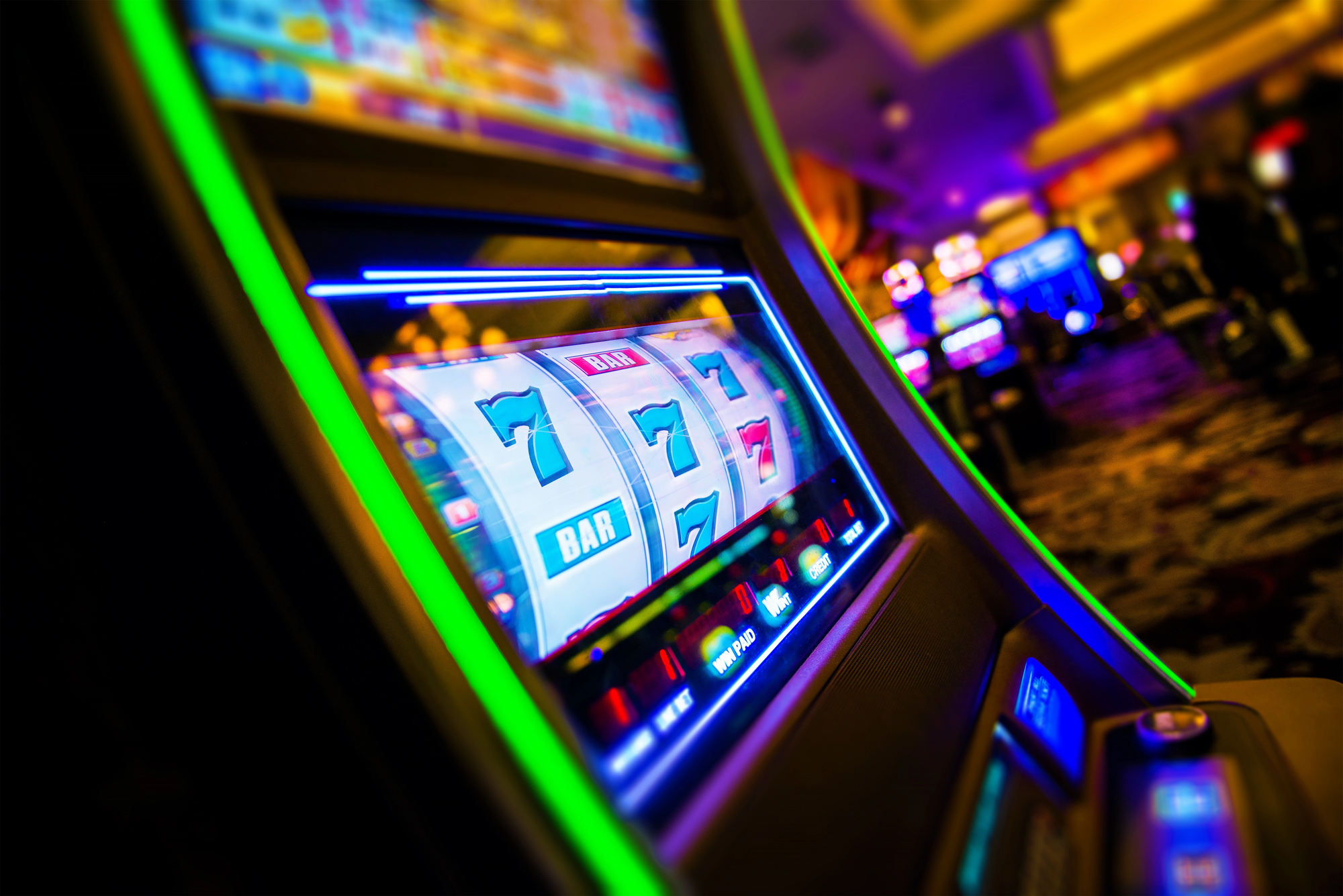
While the war was ongoing, Ukraine's gambling market grew inconspicuously to significant proportions: over 9 months of 2025 alone, total i-gaming revenue reached 47.6 billion hryvnias. The state received 17 billion hryvnias in taxes — but before launching DSOM, it had no tool to verify whether this was the complete amount.
What is DSOM and why it matters
The State System for Online Monitoring is a centralized IT platform that records in real time all operations of gambling organizers: bets, winnings, refunds, player account top-ups. The government appointed the state enterprise "Diia" as the technical administrator of the system. According to Bornyakov, the system is capable of processing millions of requests per minute and was designed with cyber threats in mind.
The first phase covers approximately 60% of the functionality provided for by law — precisely the part that allows the State Tax Service to control the tax base. The second phase — game results accounting, slot machine control, responsible gaming — is scheduled for autumn 2026.
Voluntariness as a bottleneck
The first operator has already connected, others are in the process. But connection remains voluntary for now. As Mezha.net reports, citing PlayCity, businesses have been given six months to join — after which the mandatory phase begins.
This is where the structural vulnerability of the reform becomes apparent. The President of the Association of Ukrainian Gambling Operators (AUGO) Oleksandr Kohut warned publicly back in summer:
"If you don't fight the illegal market effectively, you will very effectively control the white market online — but at the same time the white market will shrink, and the size of the illegal market will grow."
Oleksandr Kohut, President of AUGO
In other words, DSOM provides transparency for those who are already legal. For those operating in the shadows — it poses no obstacle whatsoever.
Shadow market: data measured for the first time
In August–September 2025, KANTAR, Gradus, and Factum conducted the first comprehensive study of the level of informality in Ukraine's gambling industry. The operators' association used specific figures in letters to the Ministry of Digital Transformation, the Ministry of Finance, and PlayCity — as an argument against new restrictions for players at legal casinos, which in their view would only accelerate the outflow to the illegal segment, part of which, according to AUGO data, has Russian origins.
What's next
The Ministry of Digital Transformation has prepared three bills — amendments to the Tax Code, the Law on Gambling, and the Law on Lotteries. The documents are undergoing public consultation. Full market connection to DSOM is scheduled for 2026.
The system exists. Data will be available. The question is different: if within six months of voluntary connection some operators still don't join — will PlayCity have the resources and political will to apply coercive measures without fearing that licensees will flee to the shadows?