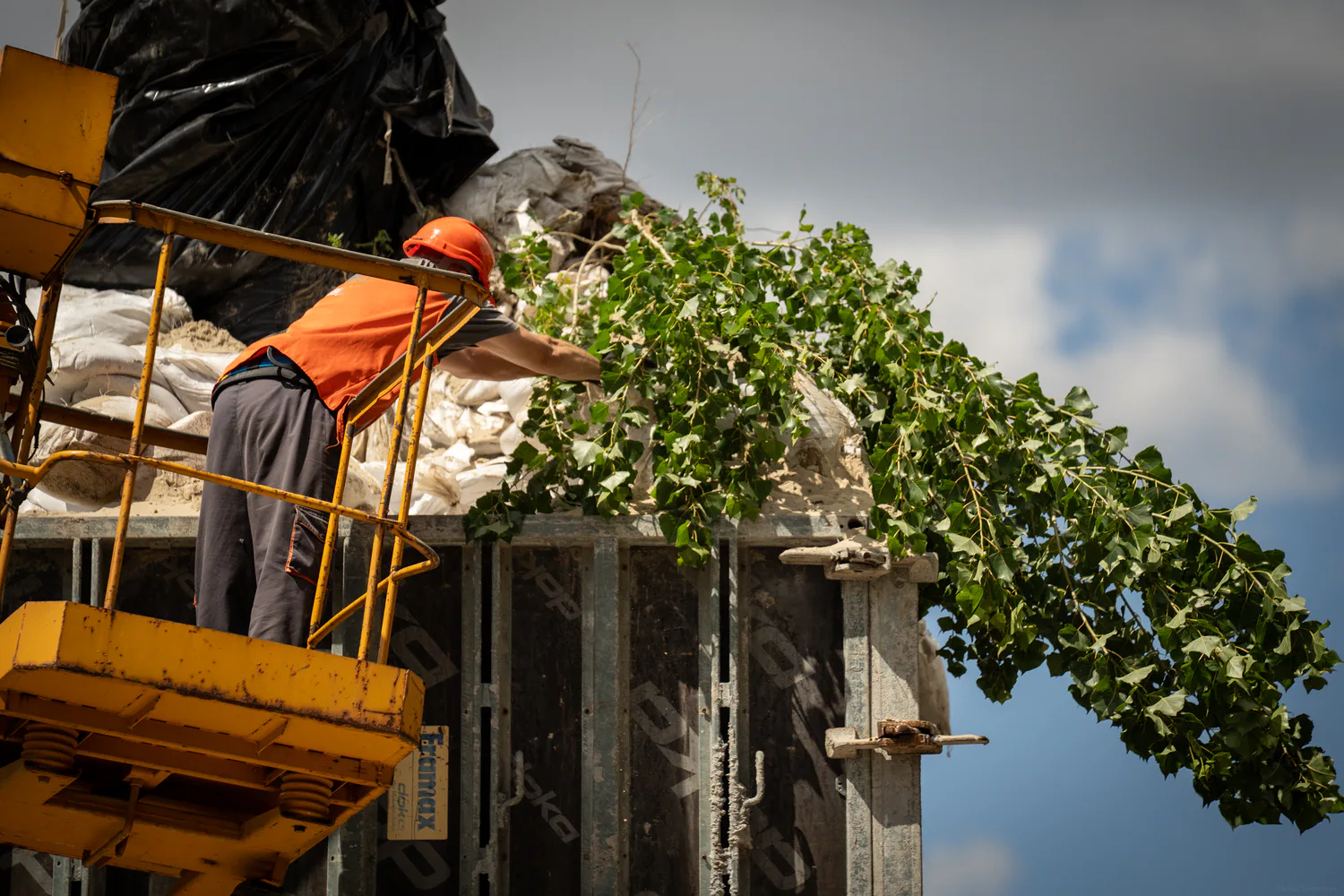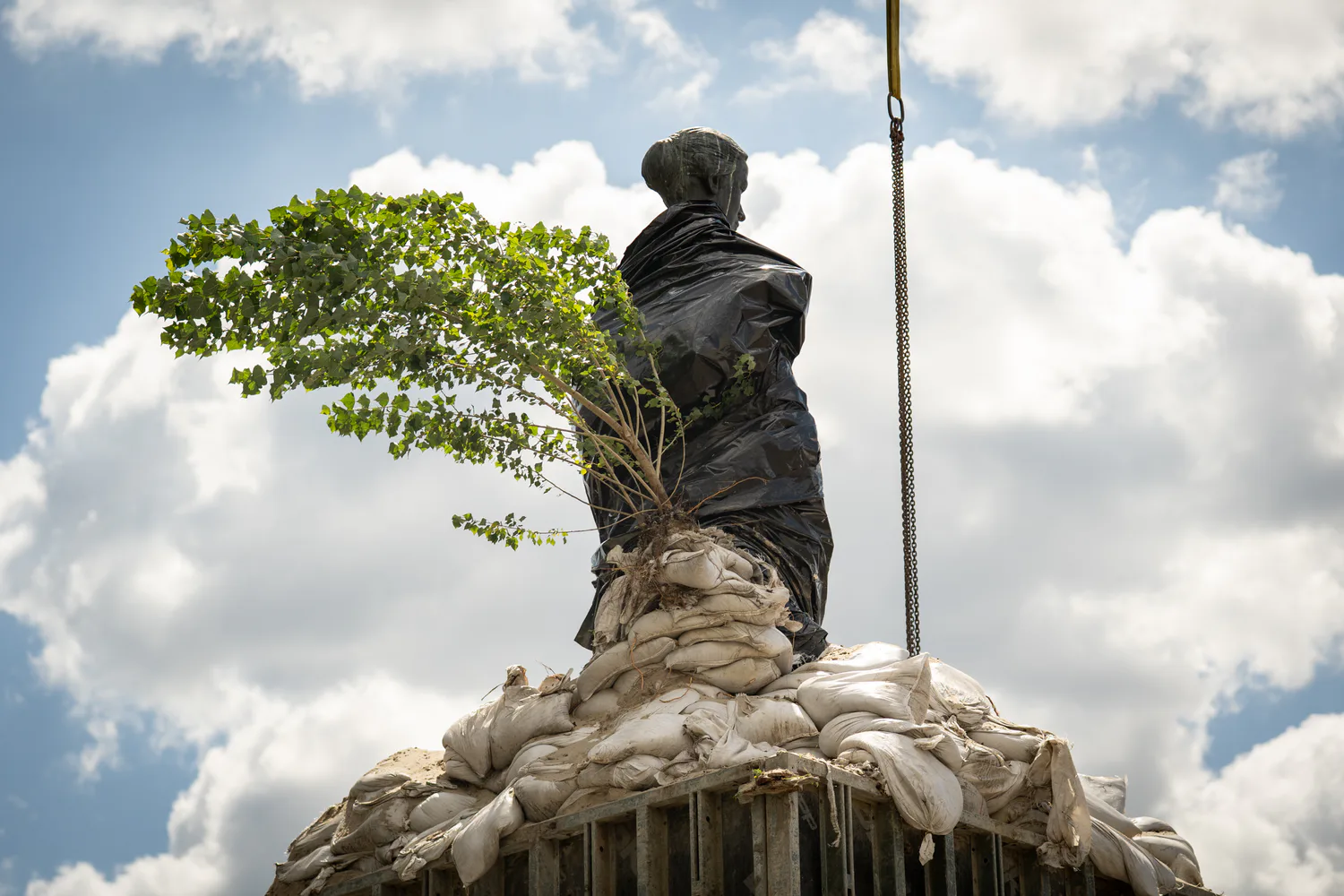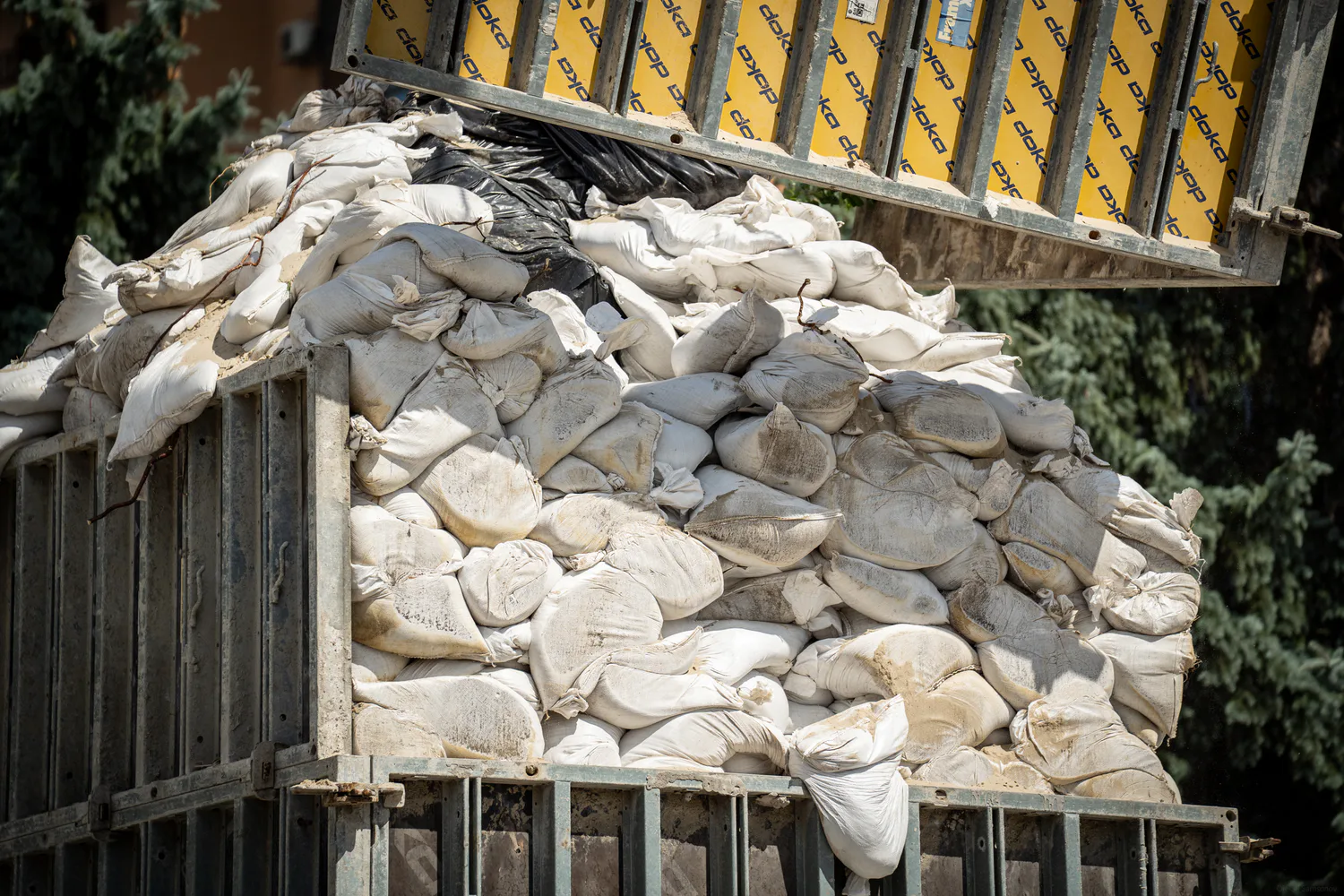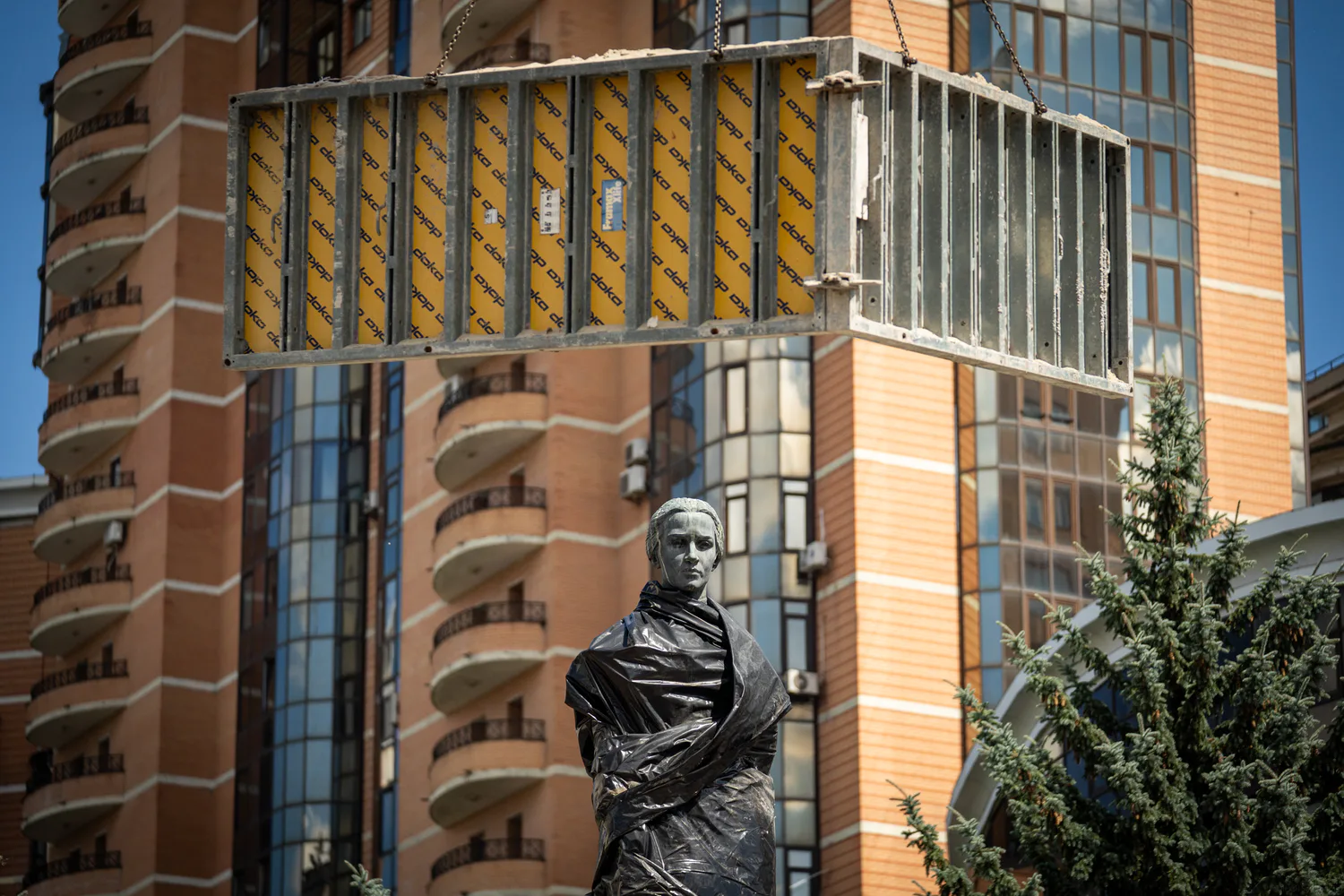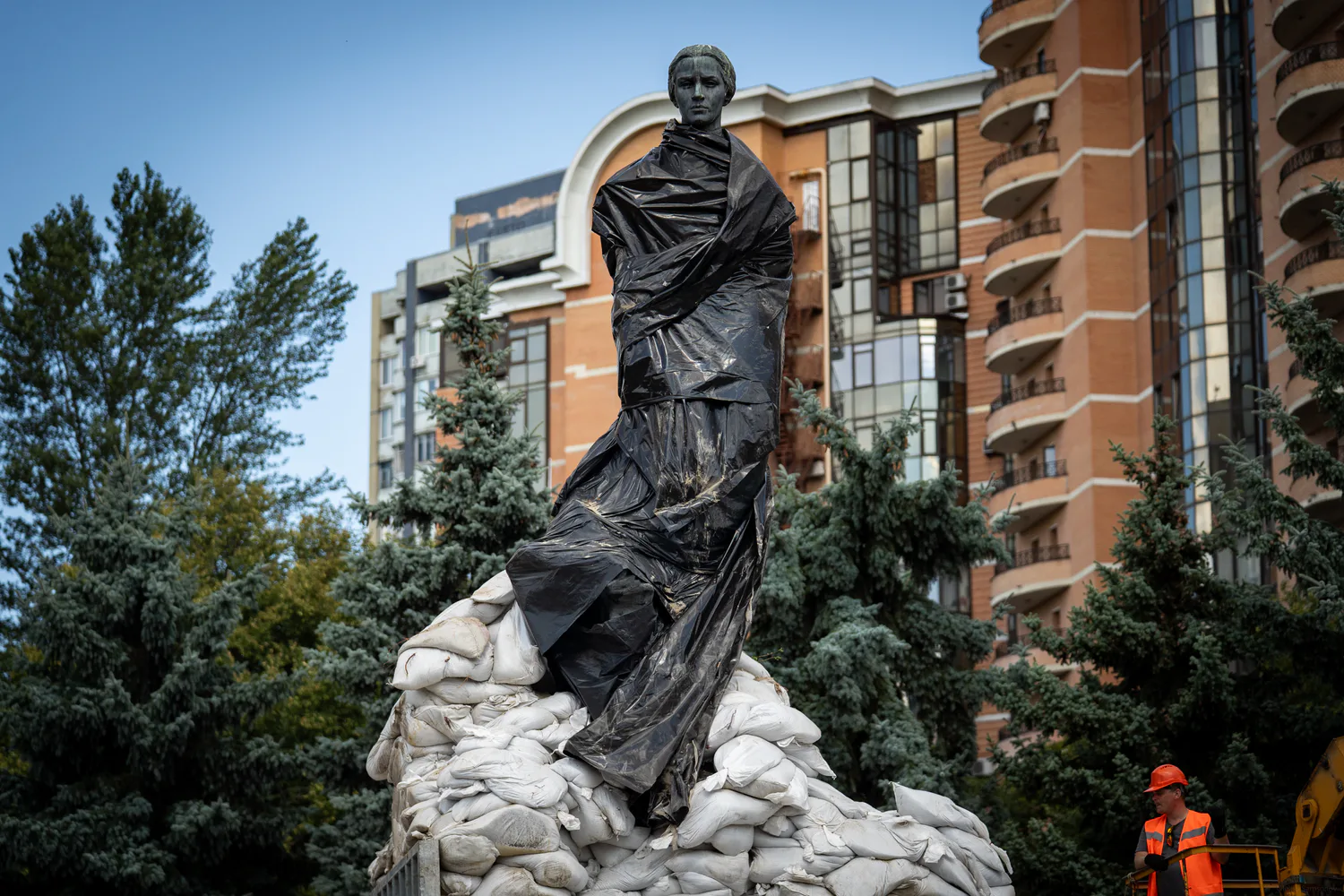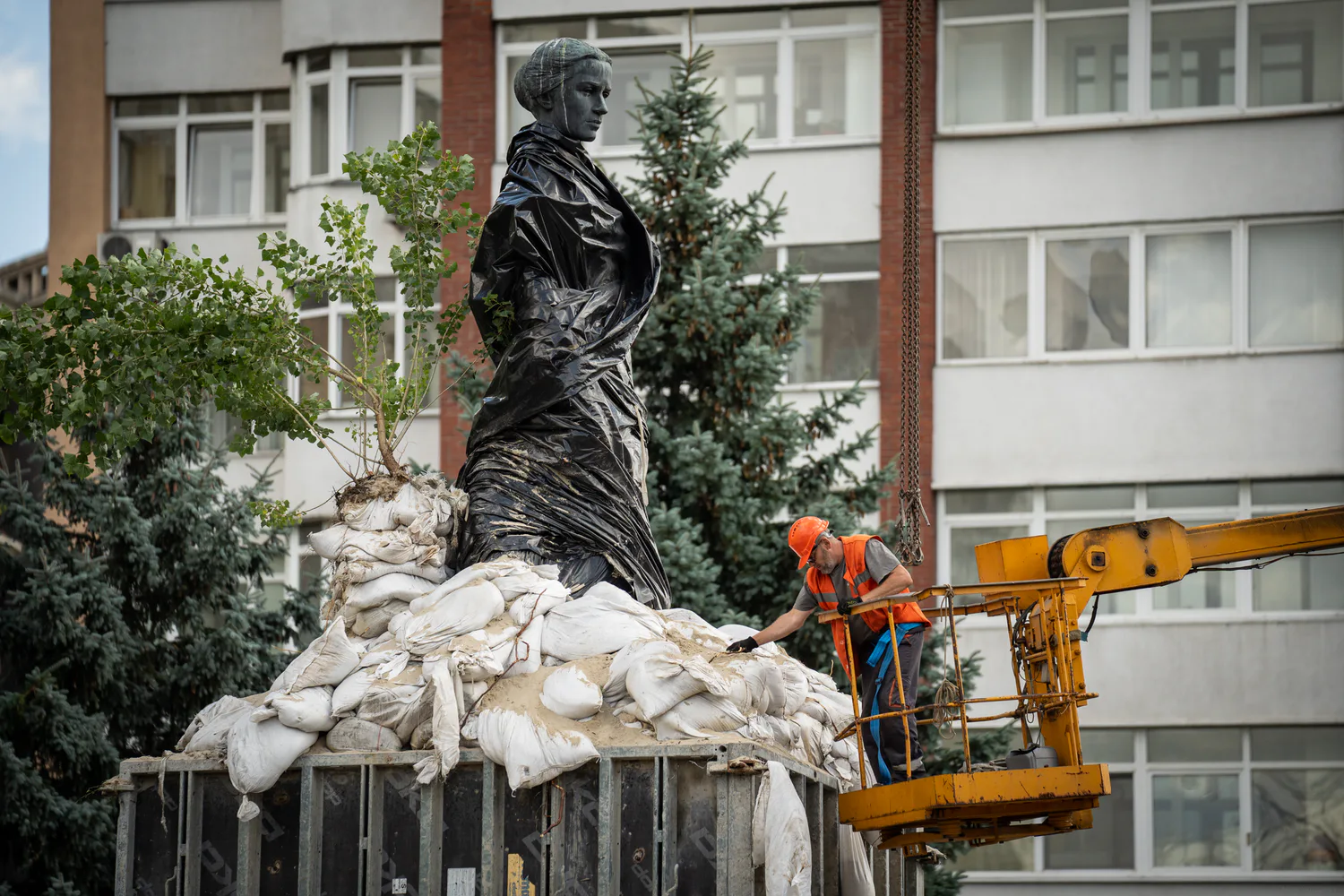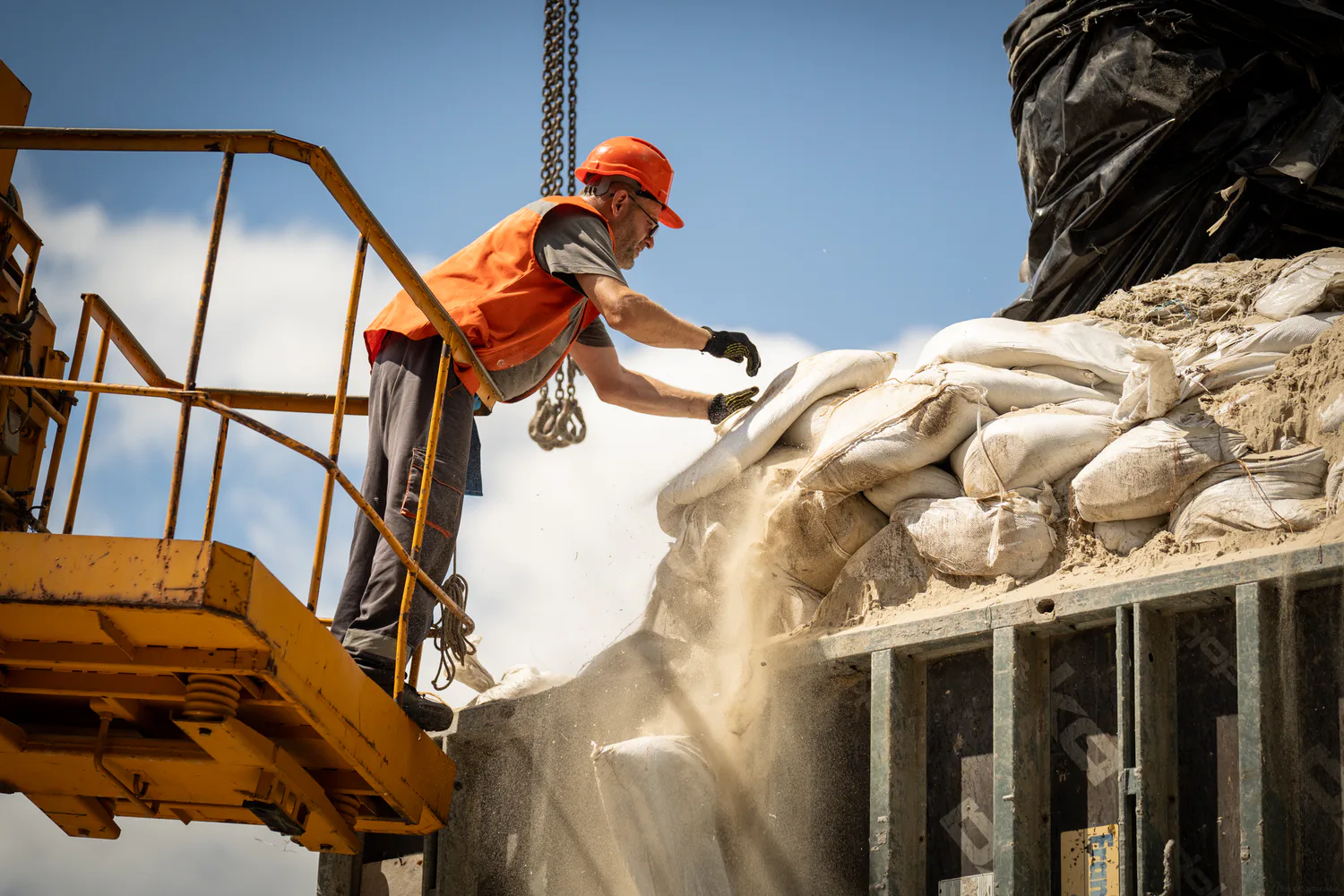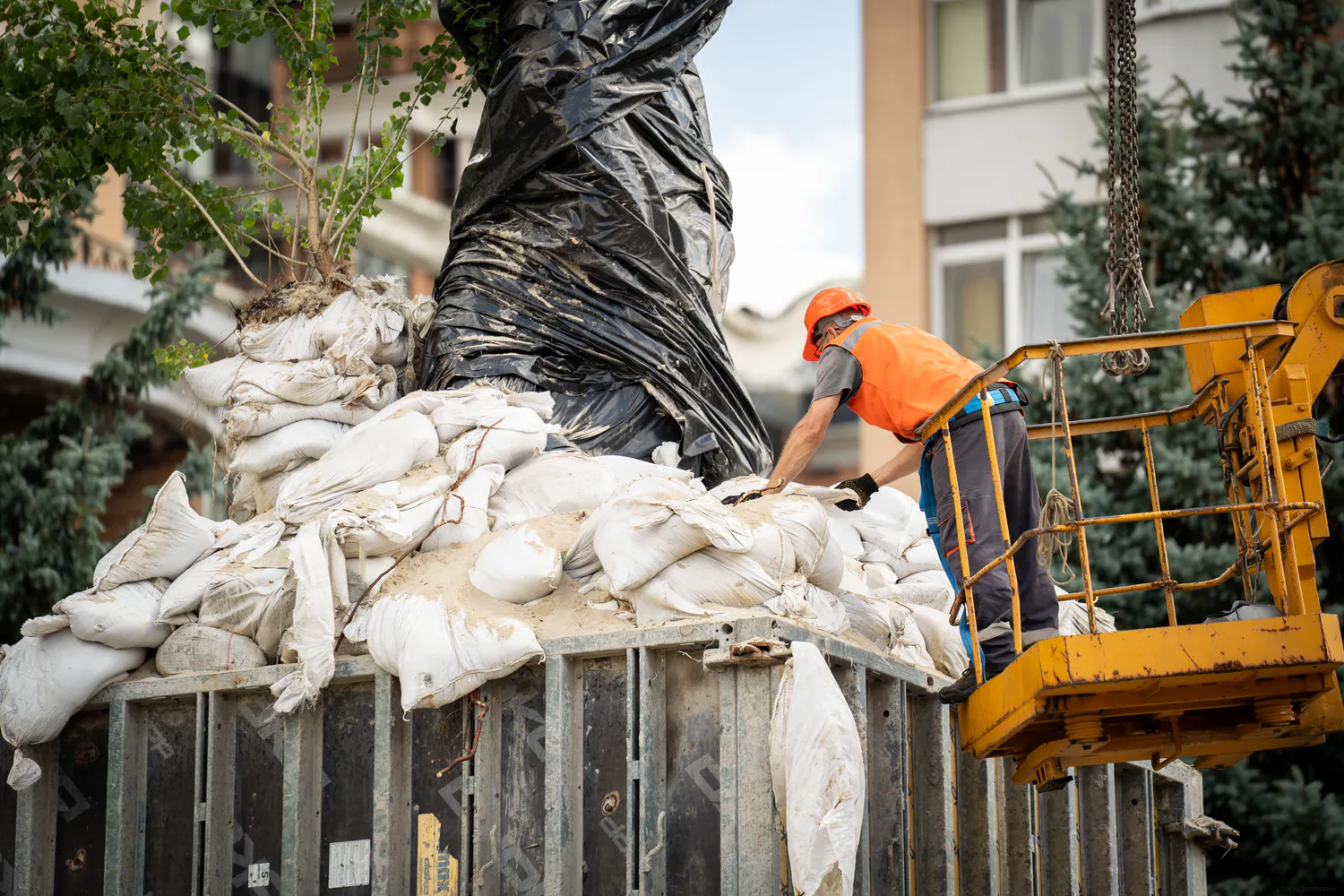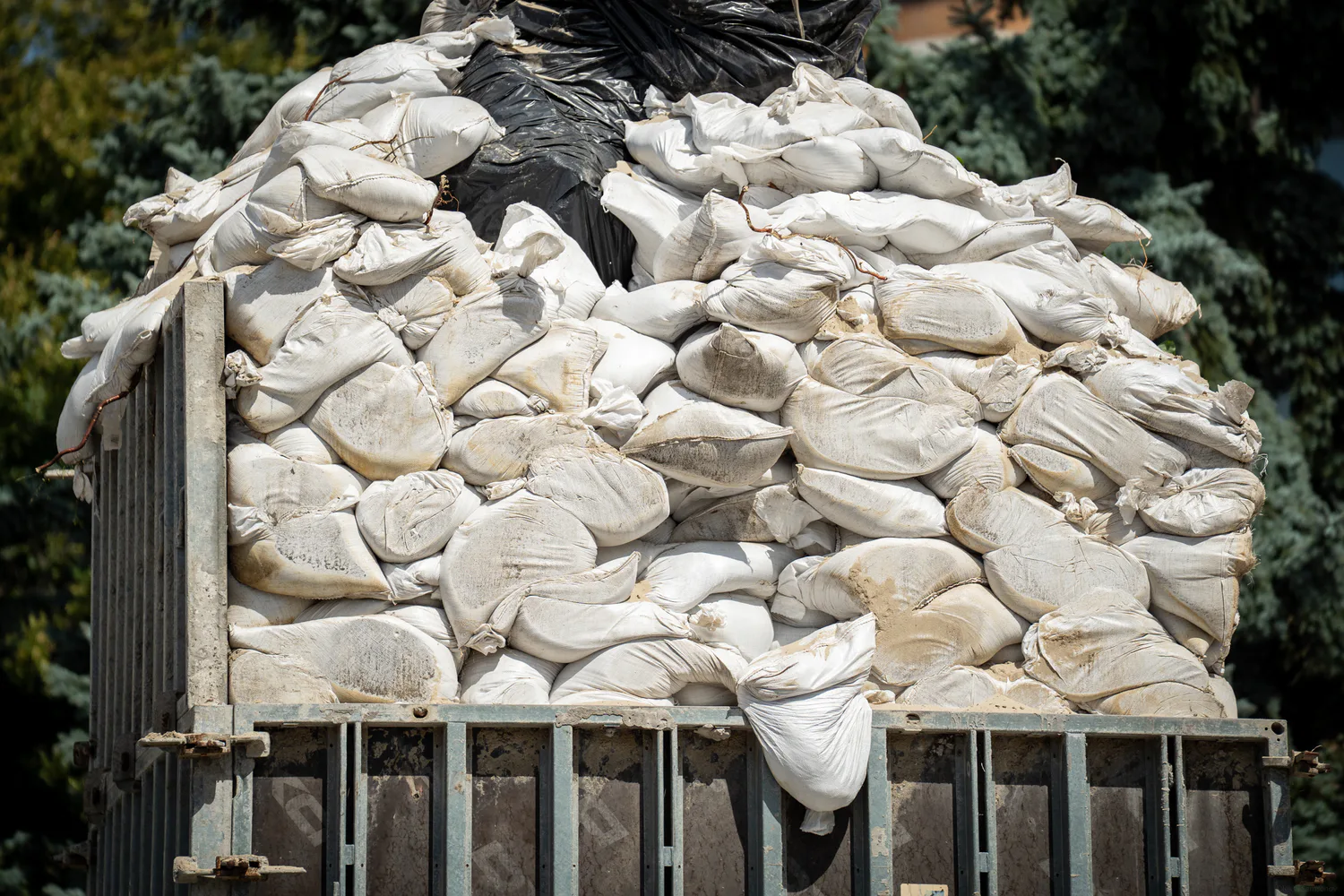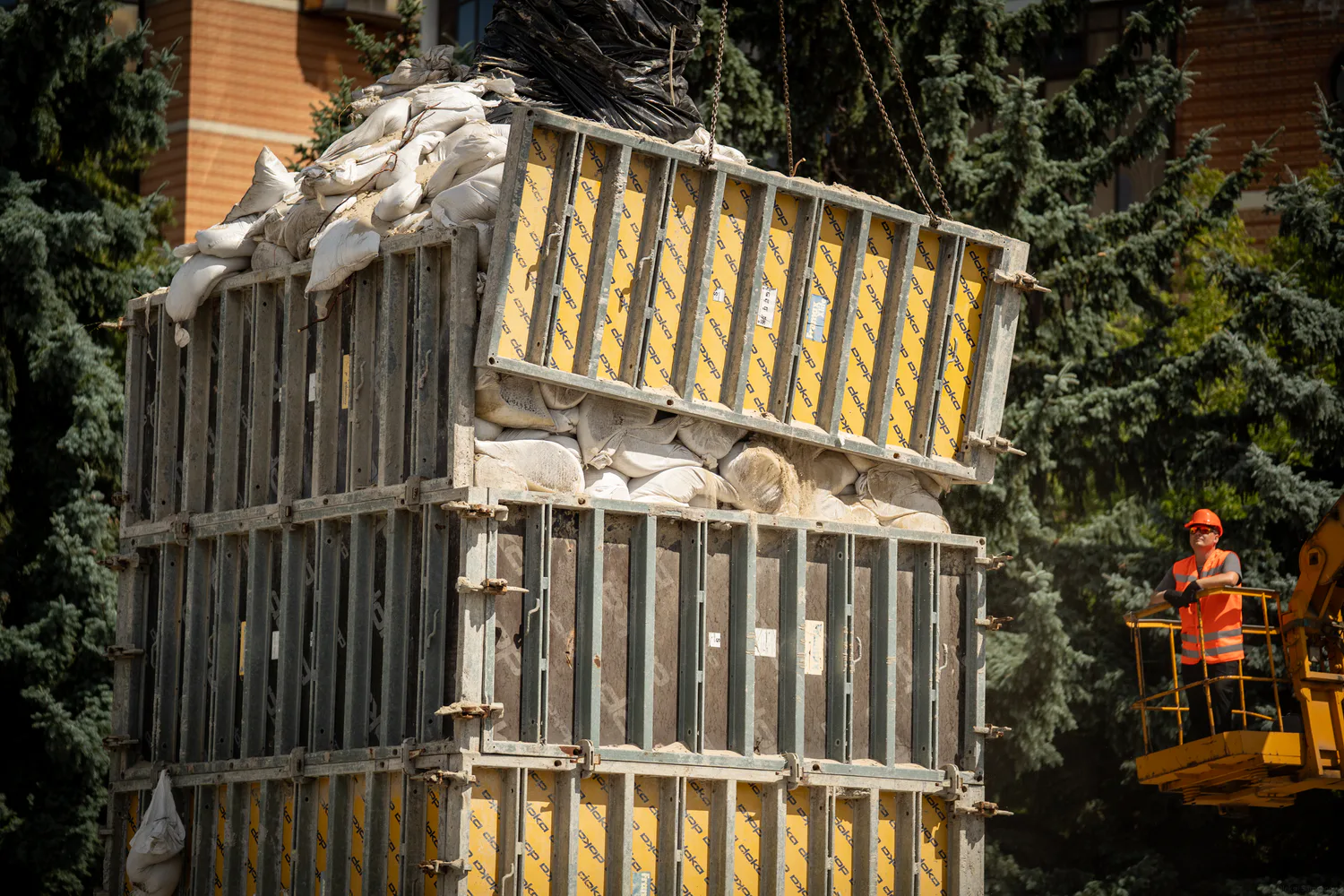
In Kyiv's Pechersk district, municipal services have begun dismantling protective structures around the Lesya Ukrainka monument. This was reported by the Kyiv City State Administration's Department of Culture, according to UNN.
The decision fits into a broader strategy: the city is gradually removing protective coverings from monuments that were sealed off at the beginning of the full-scale invasion. Previously, the monument to Princess Olha was already unveiled, and work was completed near the Mykola Lysenko monument. After Lesya Ukrainka, it will be the turn of the monument to Kyiv's founders in Navodnyts'kyi Park.
Why sandbags no longer work
"At the beginning of the full-scale invasion, protecting monuments with modular structures and sandbags was a necessary solution. It allowed us to minimize the risk of damage from shrapnel and blast waves from the strikes at that time. However, after more than four years of war, the nature of threats has changed, and with it, so have our approaches to monument preservation," explained Sergiy Anzhiyak, director of the Kyiv City State Administration's Department of Culture.
The key change is the type of weaponry. Russia is increasingly using ballistic missiles and other high-powered weapons capable of destroying even reinforced concrete structures. Modular shields, designed for shrapnel and blast waves from 2022, provide no protective effect against such force. Worse still, during a powerful explosion, the structures themselves can become a source of additional mechanical damage to the monument. Certified protective structures capable of guaranteeing monuments protection from modern weapons do not currently exist.
The second threat: not rockets, but moisture
Alongside the reassessment of ballistic risks, the effects of prolonged preservation have become apparent. Moisture accumulates inside closed structures, sandbags deteriorate, and the lack of ventilation creates conditions for fungus and biological damage. Monuments made of marble and other natural materials are most vulnerable to this—precisely the case where protection from external threats created an internal one.
"Today, protecting a monument is not just its 'covering.' It is primarily the ability to constantly monitor its technical condition and conduct timely preventive and restoration work. This approach allows us to best preserve our cultural heritage in wartime conditions," emphasized Anzhiyak.
The city's logic is clear: when physical protection from modern weapons cannot be guaranteed, and the structure itself is damaging the monument, it is more rational to remove the covering and switch to regular monitoring. The question is whether this logic will withstand the test of time—if the nature of attacks on Kyiv changes again, will they return to modular shields or seek another solution.