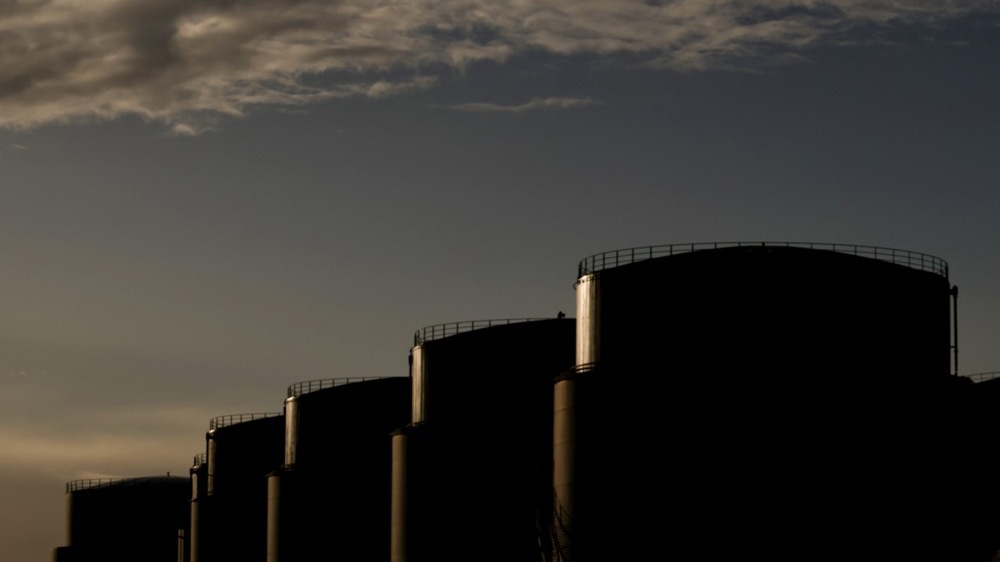
68 empty oil tankers are heading to American ports. For comparison: before the conflict, there were 24, and the average for 2024 was 27. Kpler analyst Matt Smith called this a "fleet of tankers storming America."
The reason is the blockade of the Strait of Hormuz. Traffic through the strait has essentially stopped since the beginning of the conflict. Around 25% of global maritime oil trade passed through it in 2025, and options for bypassing it are extremely limited. Only Saudi Arabia and the UAE have operational pipelines to bypass the strait — with a combined capacity of 3.5–5.5 million barrels per day. This is catastrophically insufficient: due to the near-complete halt of shipping, Persian Gulf countries have already reduced production by more than 11 million barrels per day.
Who pays the most
In 2024, approximately 84% of crude oil supplies through the strait went to Asian markets — China received a third of all its oil through it. This is why Asian demand for American oil, according to Kpler data, is expected to skyrocket in April by 82% — to 2.5 million barrels per day.
"If something goes wrong anywhere, the price goes up everywhere"
Mark Finley, research fellow at the Baker Institute for Energy and Global Oil Markets
WTI prices rose more than 50% before the beginning of the conflict. Earlier this week, it exceeded $110 per barrel — a four-year high. As of Thursday, oil remained more than 30% more expensive than before the war started.
An unplanned record
According to Kpler estimates, American crude oil exports are expected to grow in April by nearly a third — from 3.9 to 5.2 million barrels per day. For the US, this is not a strategic decision but a market reaction: the increase in exports is determined primarily by growth in domestic production, development of infrastructure, and global demand for light low-sulfur crude oil following the lifting of the export ban in 2015.
However, the situation is unstable. Announcements about a ceasefire initially raised hopes for the restoration of the strait's operations and caused a sharp drop in prices — but Iran immediately declared it would close the strait again, leaving ceasefire prospects extremely uncertain.
- 20 million barrels per day — the volume of oil passing through the Strait of Hormuz before the conflict
- 11+ million barrels per day — reduction in production by Persian Gulf countries due to the halt in traffic
- 5.2 million barrels per day — expected record April exports from the US
- 68 tankers — empty vessels already heading to American ports
If the ceasefire does not restore shipping through the Strait of Hormuz within the next two to three weeks, American terminals will face another queue of vessels waiting to load, which American port infrastructure is simply not designed to handle — and then record demand could turn not into record exports, but into another price spike.







