A resident of Trans-Baikal bought a bus ticket to Ugdan — and didn't travel. The route was cancelled without announcement. A night at the station. This is not an emergency situation according to the documents, but this is what a fuel crisis looks like when it reaches a specific person.
From refineries to bus schedules
Since mid-May 2026, the Armed Forces of Ukraine have been systematically striking Russian oil refineries and fuel terminals. According to Meduza, oil refining volumes have fallen to a 16-year minimum — 4.28 million barrels per day in the last week of May, worse even than the COVID year of 2020. On June 3, a strike on an oil terminal in St. Petersburg sent black smoke over the city precisely during the days when Putin was hosting guests at his annual economic forum.
The shortage has affected at least 61 regions. According to Reuters, in the Trans-Baikal Territory — on the border with China and Mongolia — some bus routes have been cancelled, and a waste collection company suspended operations in four districts, officially citing fuel shortages. The administration of the Borzya District confirmed the reduction of city routes No. 3 and No. 4 — it did not hide the reason: diesel deficit.
"What's more frightening is how much food will cost. All deliveries are by road."
— comment on the regional publication Chita.ru website, over 100 likes
Geography of the crisis
According to Radio Free Europe, Irkutsk Oblast declared a heightened alert regime due to fuel shortage. Trans-Baikal did the same, where people stood in queues for more than a day. Lukoil temporarily closed almost all of its gas stations in Moscow. In occupied Crimea, fuel purchase restrictions were introduced as early as May — then sales to civilians were stopped completely, later partially resumed in Sevastopol.
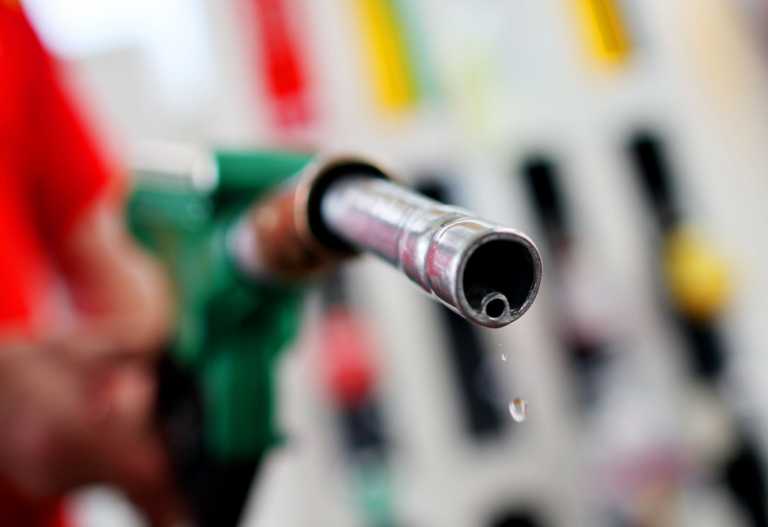
Authorities in at least 20 regions have officially restricted fuel purchases. In another 55 regions, gas stations imposed limits themselves. Kurgan, Omsk, and Samara oblasts — no more than 40 liters at a time, Dagestan — 20 liters of gasoline and 50 liters of diesel per person.
What Putin admitted publicly
At a government meeting on June 29, Putin publicly confirmed queues at gas stations for the first time and stated that Russia had begun using fuel reserves. According to him, gasoline reserves correspond to last year's level — 1.7 million tons. As CNBC reports, the meeting also discussed a complete ban on diesel exports.
To stabilize the market, Moscow is considering fuel imports from Belarus — zero import duty has been in effect since October 2025. But, as Finance Mail notes, even all Belarusian exports would cover less than 10% of Russia's needs: the republic produces slightly more than 3 million tons per year, while Russia needs about 40 million tons.
Front and rear as one system
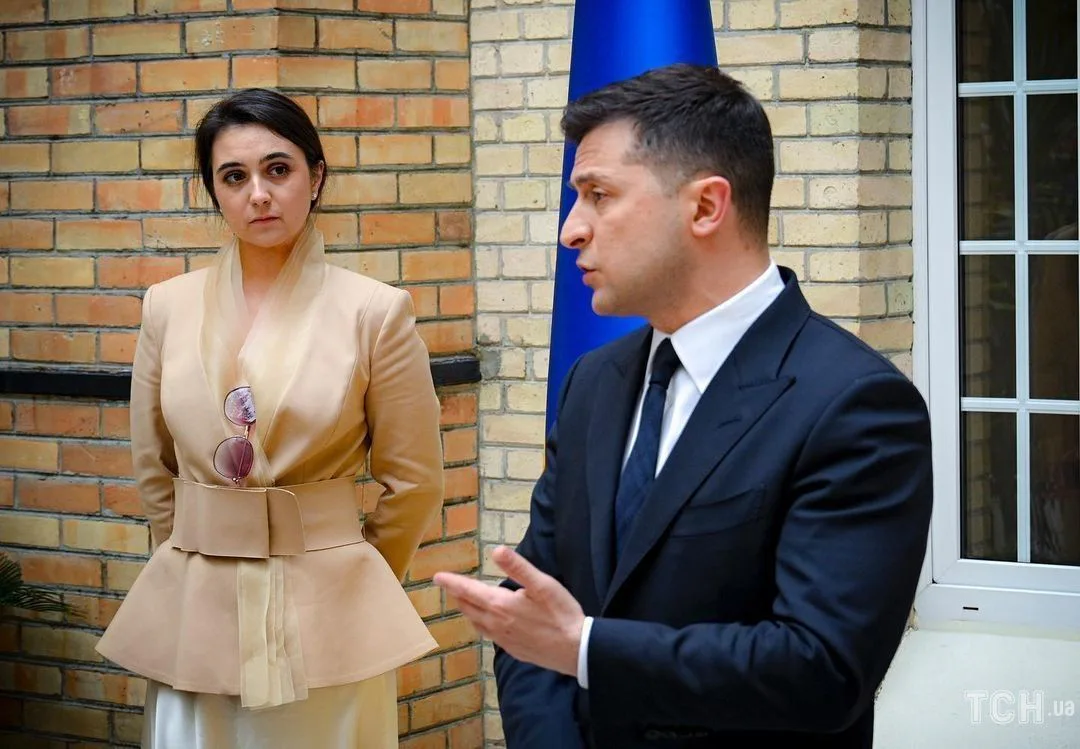
As Ukrainian officials explain, strikes on oil infrastructure are a deliberate strategy: to disrupt military logistics and weaken Russia's ability to conduct offensives. According to President Zelensky, on June 29 the Armed Forces struck two more refineries — in Krasnodar Krai and Yaroslavl Oblast. "Every long-range sanction of ours is a reduction in resources that feed the Russian war machine," he wrote on Telegram.
Reuters notes that prolonged fuel shortages can undermine public support for the war. Social networks record fights at gas stations and video jokes like "Luxury 2026" — a man slowly filling a lawnmower with fuel from a canister.
If strikes on refineries continue and Belarusian imports cover only a tenth of demand — the question is not whether the crisis will spread to new regions, but when the diesel shortage will begin to directly affect ammunition supplies to the front, which also depends on highways.