What happened
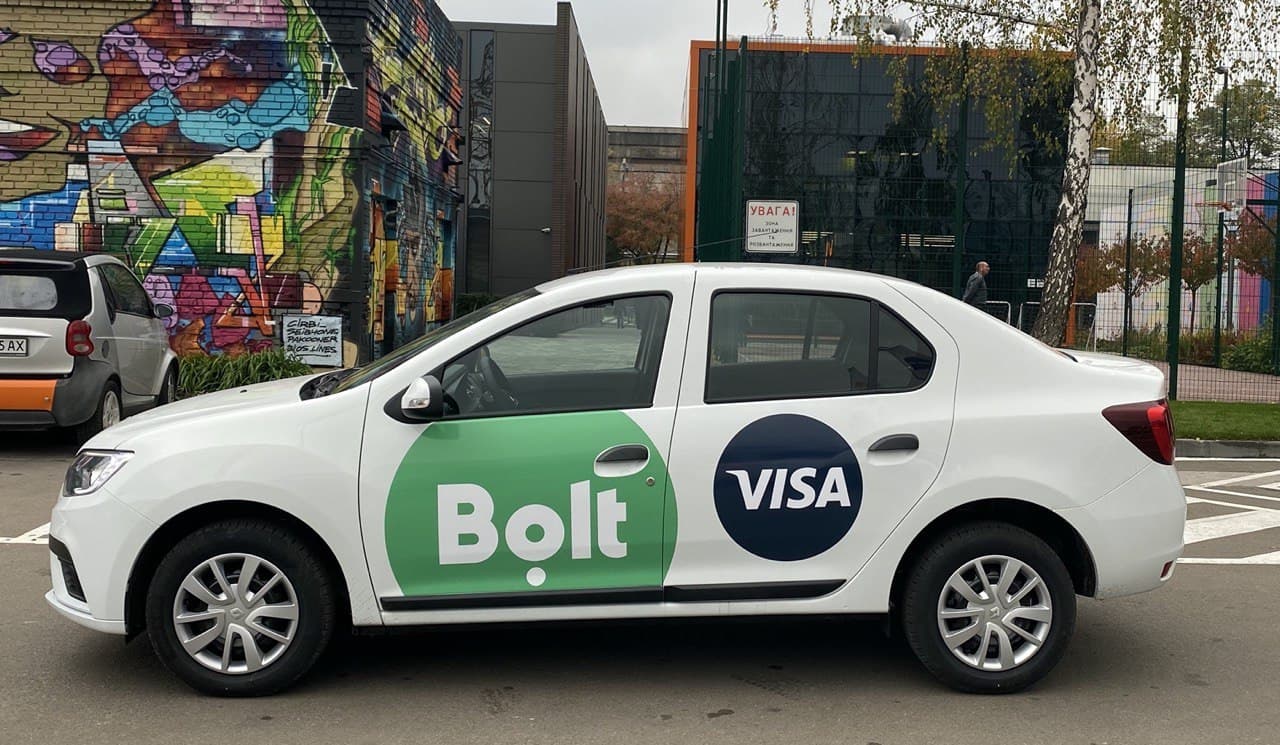
Taxi-ordering service Bolt resumed round-the-clock operations in 24 Ukrainian cities from February 20, the company's press service said. Previously this mode was in effect only in four cities — Lviv, Uzhhorod, Mukachevo and Kyiv.
List of cities: Bila Tserkva, Vinnytsia, Dnipro, Drohobych, Zhytomyr, Zaporizhzhia, Ivano‑Frankivsk, Kamianske, Kamianets‑Podilskyi, Kryvyi Rih, Kremenchuk, Kropyvnytskyi, Lutsk, Mykolaiv, Odesa, Poltava, Rivne, Sumy, Ternopil, Kharkiv, Khmelnytskyi, Cherkasy, Chernivtsi, Chernihiv.
"We see demand from users for the ability to travel at night"
— Serhii Pavlyk, General Manager of Bolt in Ukraine
Who needs it and why
The company emphasizes that nighttime trips are intended only for urgent needs: to get to a hospital, pharmacy, or train station, as well as to resilience points and facilities with independent power and heating. For people in critical situations, the restoration of round-the-clock service can be decisive.
Rules and restrictions
In most cities, movement during curfew requires having a permit — this remains a local requirement of authorities and security forces. Operational limitations should also be taken into account: there may not be a sufficient number of drivers or a safe route everywhere.
Recall: since January 17 Kyiv has allowed taxis to operate during curfew following a public appeal by the president and the declaration of a state of emergency in the energy sector — this decision set a precedent for other cities and service sectors.
What this means going forward
Essentially, Bolt's decision is a practical step to support nighttime mobility where it is needed. Its effectiveness will depend on three factors: coordination with local authorities on permits and security, the availability of drivers, and the stability of power supply. For many Ukrainians this is a relief for everyday needs; for the system, it is a test of the private sector's ability to respond quickly during a crisis.
Question for the future: whether taxi services can become a stable tool for supporting communities at night depends on cooperation between companies, authorities and local communities.







