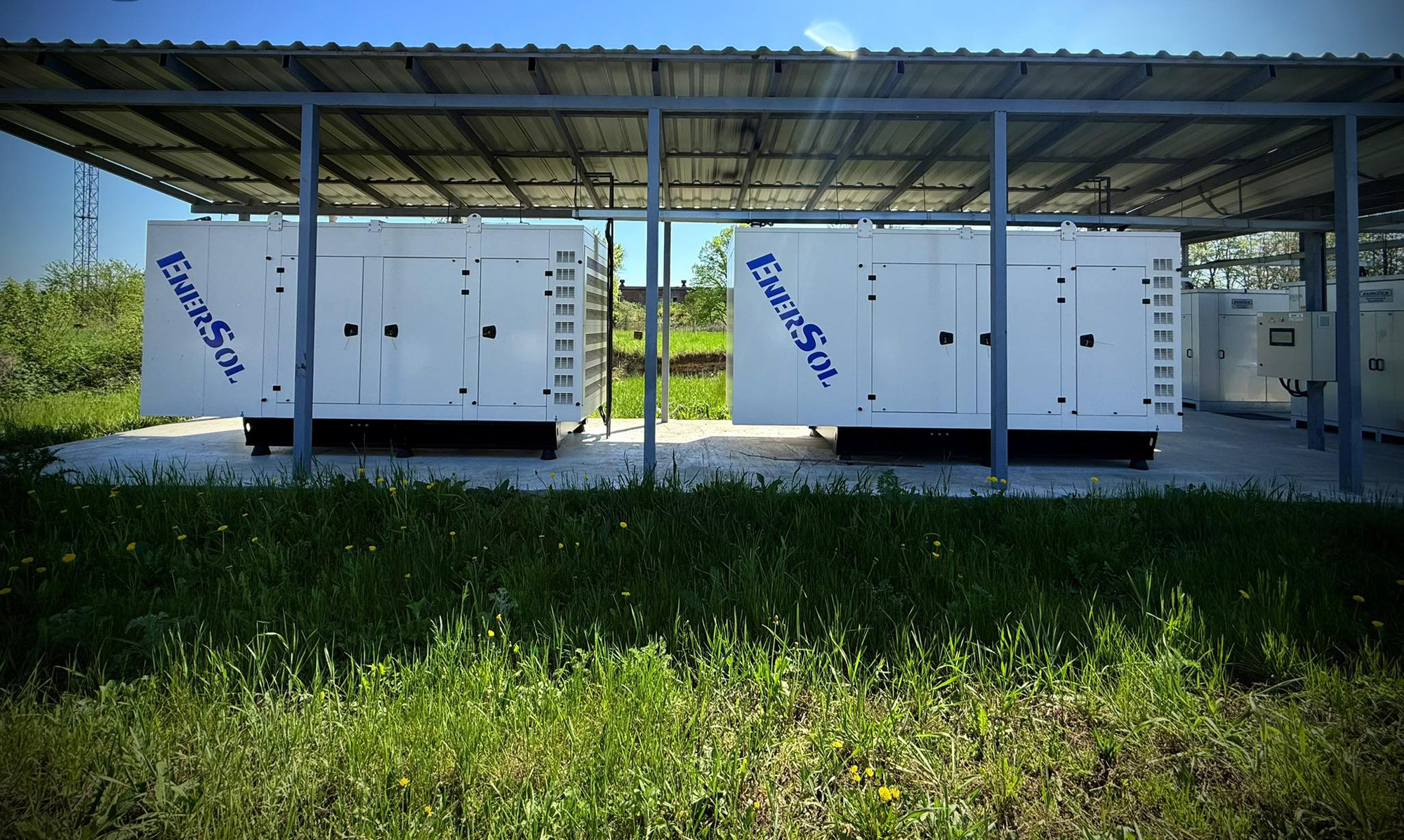
In 2024, the housing and communal services department of Bila Tserkva City Council purchased two diesel generators for sewage treatment facilities—in case of power outages during shelling. The contract amount: over 9.2 million hryvnias. The actual price of the generators: 3.6 million hryvnias. The difference—5.3 million hryvnias—went to the supplier.
How the scheme worked
According to the Kyiv Regional Prosecutor's Office, the director of the supplier company initially submitted several commercial proposals to the city council with deliberately inflated prices—these formed the "market benchmark" for the tender. When the auction took place, his company won it with a bid of 9.2 million hryvnias. The city paid in full.
The supplier itself purchased the generators from another company for just 3.6 million hryvnias.
Kyiv Regional Prosecutor's Office
This is a classic "commercial proposal adjustment" scheme: the customer formally complies with Prozorro procedures, but the starting price of the tender is already distorted—because all three "independent" proposals come from persons connected to the winner.
Suspicion—three people, damage—to the community
Law enforcement notified the company director and two of his accomplices of suspicion. The charge—fraud on a particularly large scale. This carries a sentence of seven to twelve years imprisonment with confiscation of property.
At the same time, the prosecutor's materials do not mention any suspicion against any city council officials, even though the housing and communal services department was the one that received and evaluated those inflated proposals. By analogy: in a similar case involving Kyiv City State Administration, officials—department heads who recognized suppliers with inflated prices as winners—also received suspicions.
Not an isolated case
Generator purchases during blackouts have become a separate corruption track in Ukraine. The Kyiv Regional Prosecutor's Office alone recorded systemic corruption in the communal sector in one package of cases with total damages of almost 50 million hryvnias—generator schemes there sit alongside inflated purchases of specialized equipment for water utilities and fictitious pharmaceutical contracts. A separate case involving Kyiv City State Administration: there the overpayment for generators was 4.8 million hryvnias, and it has already gone to court.
- Bila Tserkva—5.3 million hryvnias in damage, suspicion stage
- Kyiv City State Administration (two episodes)—4.8 million hryvnias, case transferred to court
- Berezany Village Council—484 thousand hryvnias, education department head on trial
Common in all cases: generators were purchased under conditions of shortage and time pressure—when there was no time to negotiate, and payment had to be made quickly. This pressure itself is the best environment for a price-rigging scheme.
If the court confirms the guilt of the company director, but the housing and communal services department officials never receive suspicion—this is a question for the prosecutor: was this merely the supplier's greed, or a conspiracy with people inside the council who accepted those "market" prices without verification?