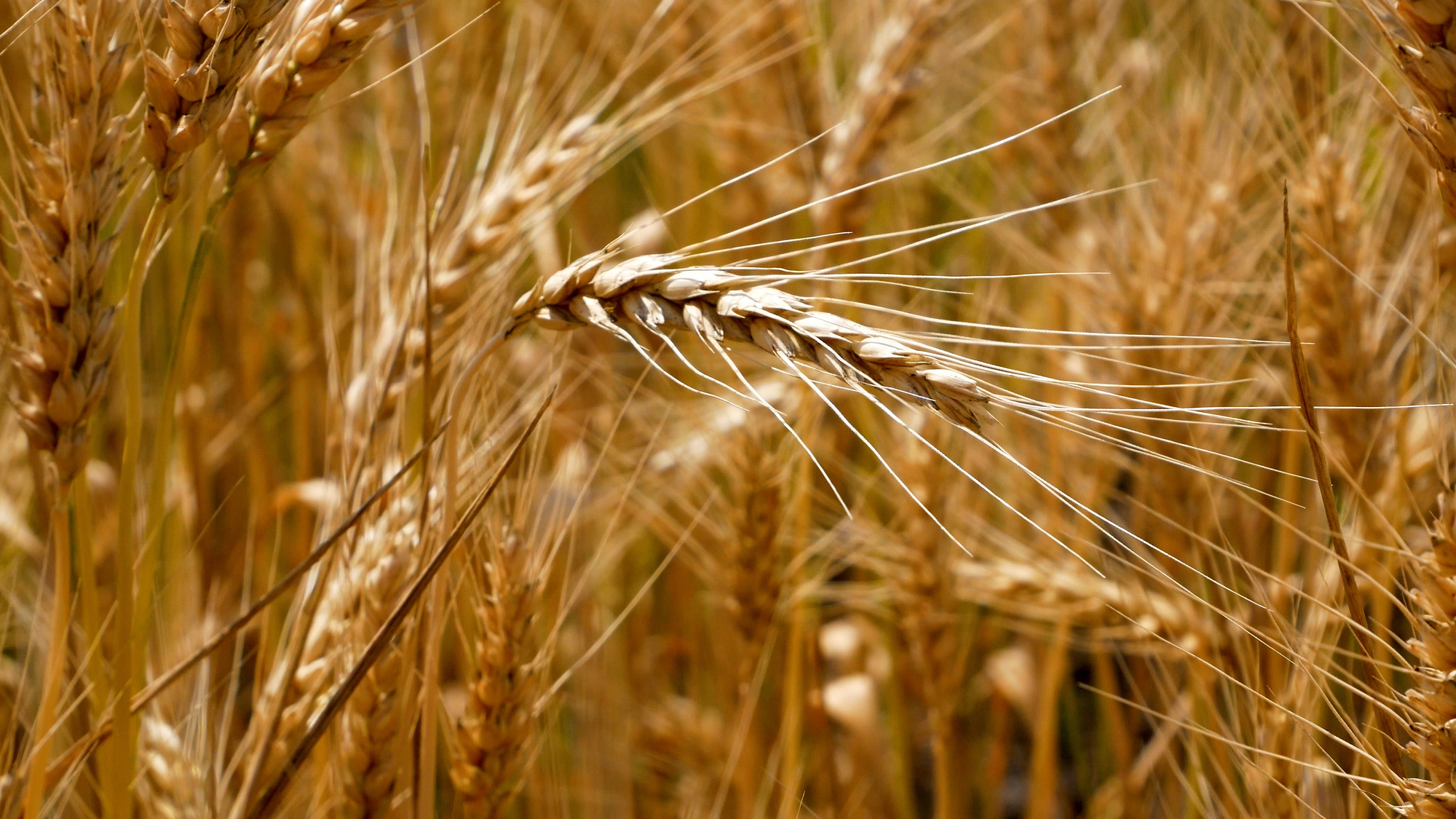
A farmer who harvested wheat this summer faced an absurdity: he was practically unable to sell his crop according to state rules. Minimum export prices, set back in late 2024, turned out to be higher than what buyers are willing to pay now — when logistics have become more expensive due to strikes on the Black Sea, and domestic purchase prices have fallen. Contracts simply weren't being concluded.
On Monday, August 3, the Cabinet of Ministers acknowledged this and adjusted the minimum allowable export prices for certain types of agricultural products. This is the first decision within an emergency support package for the agricultural sector that the government is preparing in response to Russian attacks on the Black Sea.
"The minimum prices set earlier became economically unattainable for concluding contracts due to increased logistics costs and falling domestic purchase prices," explained Prime Minister Serhiy Koretskyi.
In simple terms: the state itself blocked part of the exports with a regulation that was supposed to control it. A protective mechanism against dumping and customs manipulation turned into a barrier at a moment when the market is already being squeezed by attacks on vessels.
Why this is not about paperwork, but about money in the producer's pocket
If the minimum price is higher than the market price, and selling below it is forbidden — the contract simply won't be signed. Grain remains in elevators, the farmer doesn't receive payment, the state loses foreign exchange earnings from exports. Reduced standards are meant to unblock precisely these deals: allowing sales at prices that buyers are actually willing to pay now, rather than at prices that were relevant when the previous rules were adopted.
The measure is temporary — for the period of situation stabilization, the government clarified. Koretskyi instructed the preparation of a plan for developing the processing of Ukrainian agricultural products — the logic is straightforward: the more grain is processed into oil, flour, or compound feed in Ukraine, the less dependent on sea exports of raw materials, which is currently under attack.
What broke the market before this decision
Since July 23, vessels have stopped calling at Ukrainian ports due to intensified Russian attacks. Minister of Agrarian Policy Taras Vysotskyi insists there is no complete blockade of shipping — Ukraine can export agricultural products via alternative routes. But economists warn: these opportunities are limited, because access to transport routes is worse, and logistics costs are higher than through the Odesa route.
At the end of July, the All-Ukrainian Agrarian Council, which represents over 1,400 small and medium-sized agricultural enterprises, urged the government to urgently implement anti-crisis measures precisely due to the cessation of vessel calls at Black Sea ports. Reducing minimum prices is the first, but not the only response to this request: according to Koretskyi, other steps are being prepared to stabilize the sector.
It's also worth remembering the background: at the end of 2024, along with the establishment of those same minimum prices, the Cabinet of Ministers canceled mandatory verification of exporters and the requirement to obtain a license if verification was not passed. In other words, the regulatory framework around agricultural exports has already been restructured once under pressure from circumstances — and is being restructured again now.
What's next
The question is not whether one price adjustment will help — it will specifically unblock some contracts. The question is whether the government will manage to prepare the next steps faster than attacks on vessels turn "limited alternative routes" into the only reality for the entire harvest. If the port blockade continues for weeks, reduced standards will become only the first of many emergency decisions this summer.







