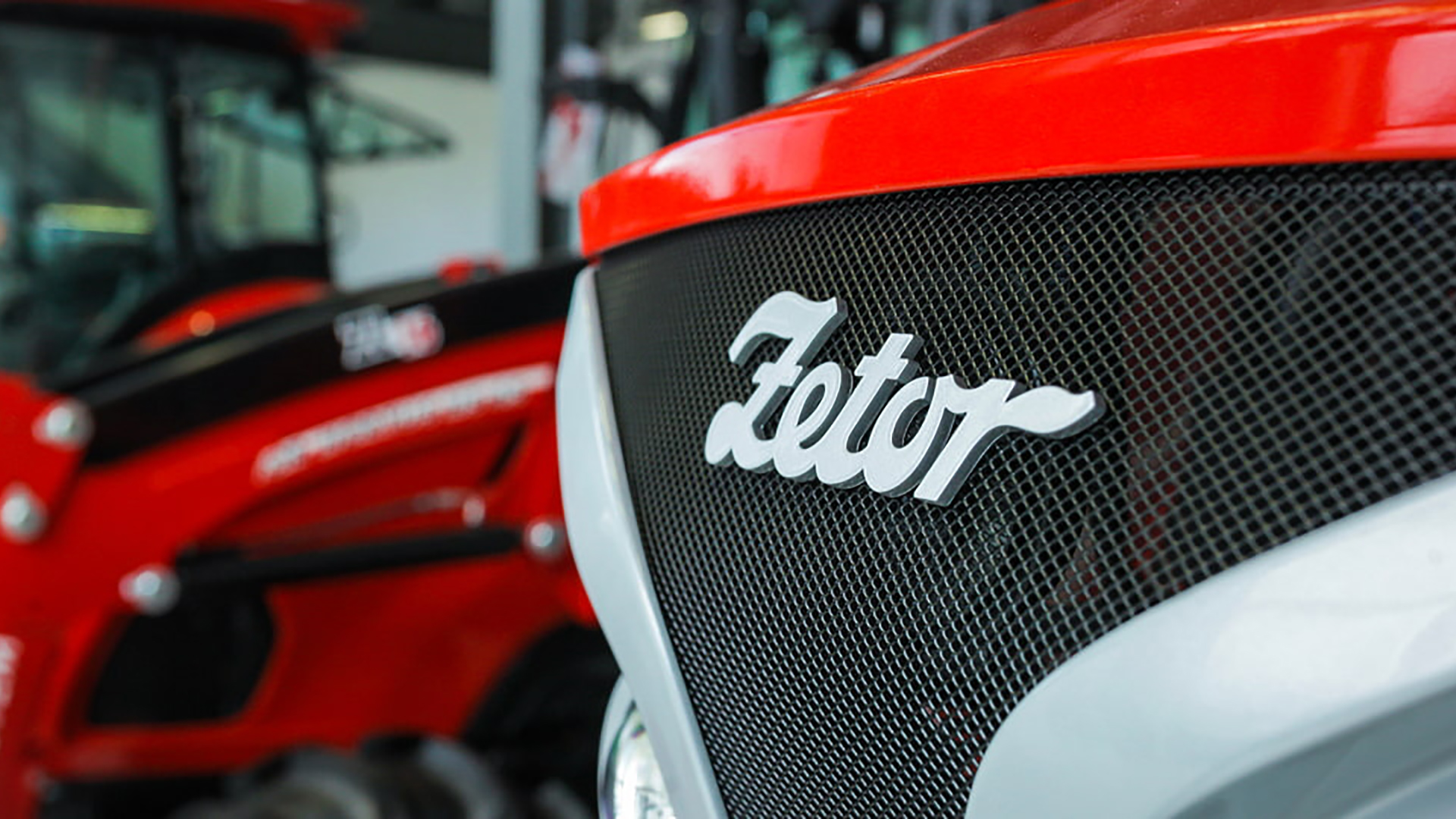
33 workers. That's exactly how many people in Brno will receive layoff notices as a result of a decision that has been in the making for years. Zetor Tractors — the last tractor manufacturer in Europe that maintained full production cycle on the continent — is relocating production to India and possibly China. The company has informed trade unions and the Labour Office: the deadline expires at the end of 2026.
Not a sudden decision, but the end of a long retreat
Zetor was founded in 1946 — at that time, the factory in Brno produced several thousand machines a year and exported them to 130 countries. The peak came in 2014: that year the company sold 4,178 units, but since then sales have been steadily declining — to 1,026 tractors in 2023. This is less than a quarter of the figure from a decade earlier.
Since 2018, Zetor has turned a profit only once — in 2021. In 2024, the company recorded losses in the hundreds of millions of crowns, but has not disclosed specific figures. Meanwhile, the brand's owner — investment company HTC Investments — continued to invest in Zetor despite a debt burden exceeding HTC's own annual revenue.
Already in 2024, management decided to shut down engine and transmission production in Brno, instead purchasing them from Germany and Italy. After this, the factory effectively switched to assembly mode using ready-made components — and could no longer compete on price.
Why India and not Poland or Slovakia
«Manufacturing small and medium tractors up to 130 horsepower in Europe no longer makes sense under current conditions. We were the last manufacturer trying to preserve it here — but due to expensive energy, labor, and especially material costs, we are no longer competitive enough».
Robert Harman, CEO of Zetor Tractors
The choice of India is not accidental: a joint venture between Zetor and VST Tillers Tractors Ltd — an Indian manufacturer with over 65% of the cultivator market share — already exists. The partnership combines Zetor's technological expertise with VST's knowledge of the local market and distribution network. Moreover, Zetor has a long-standing reputation there: from the 1960s to the 1980s, the company supplied tens of thousands of tractors to India, where they were also assembled under license at the HMT plant.
The goal is to export approximately 5,000 tractors per year from India over five years. In parallel, Zetor is exploring cooperation options in China.
Brno remains — but without the assembly line
Brno will remain the company's headquarters and development center. A parts division and distribution hub will also be established here. In other words, the city retains the intellectual assets — but loses the industrial ones.
Industry analysts point to the systemic context. Zetor's decision reflects the cumulative impact of high energy prices, rising labor costs, globalized supply chains, and competitive pressure from Asian manufacturing hubs. This could become one of the clearest examples of a competitiveness crisis in European agricultural machinery manufacturing.
An important caveat: the production plan for the current year remains unchanged. The company assures that it will complete all machines under production and fulfill all concluded orders within the coming months.
What's next
Relocating a manufacturer's base is always a matter not just of logistics, but of quality and control. The Indian partner VST has its own standards and market with entirely different requirements than Central Europe or the USA. If Zetor fails to reach the planned 5,000 units of exports within five years and does not restore profitability — does the owner HTC Investments have grounds to continue financing a brand that has operated at a loss in seven of the last eight years?







