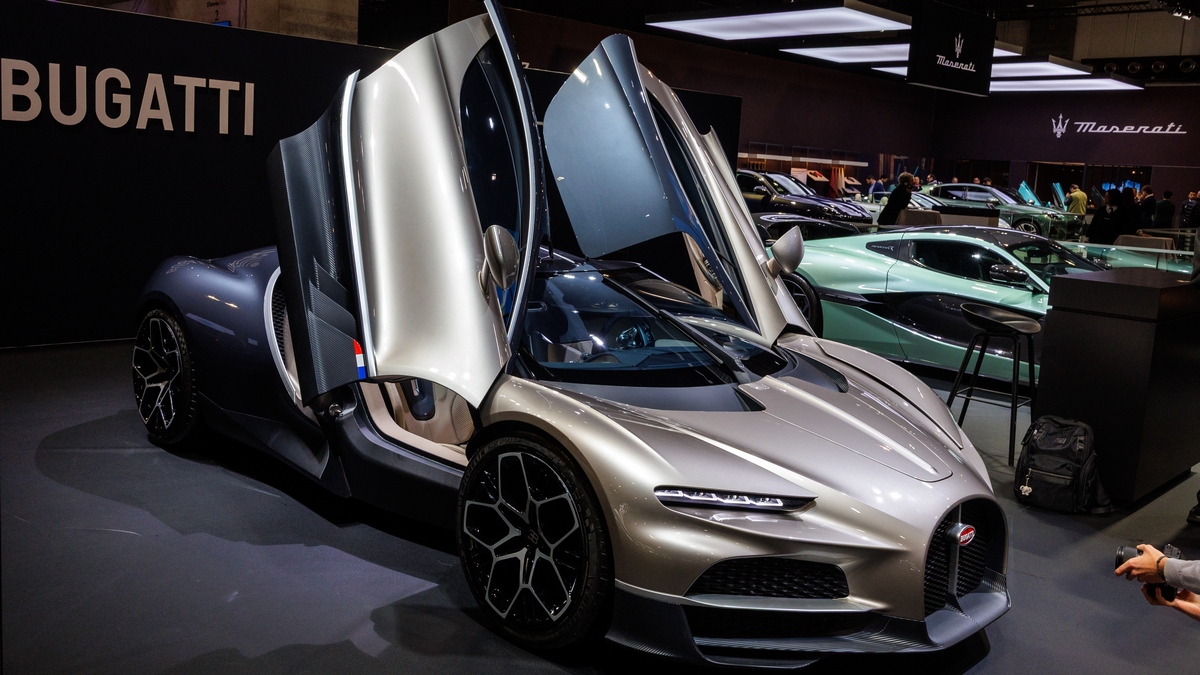
On April 24, Porsche signed an agreement to sell 45% of Bugatti Rimac and 20.6% of Rimac Group to a consortium led by New York-based HOF Capital. The largest investor in the consortium is BlueFive Capital, a private investment company headed by Hazem Ben-Hashem, a former top executive at Investcorp. The deal is expected to close by the end of 2026 after receiving regulatory approvals.
Why now
Porsche is not selling Bugatti because the brand is becoming less attractive. It is selling because the company itself has found itself in the most acute financial crisis since going public. According to Euronews, the company ended 2025 with write-downs of €3.9 billion, which reduced the operating profit of the automotive division by 98% — from €5.3 billion to €90 million. Previously, Porsche and Audi themselves subsidized loss-making brands within the Volkswagen group. Now this cushion is gone.
At the same time, the company is cutting 1,900 full-time positions in addition to 2,000 temporary jobs already eliminated in 2024. The bet on electric vehicles did not work: sales of the flagship Taycan fell by 22%, and the Chinese market, where growth was expected, was captured by local manufacturers.
"By selling our stake, we are focusing Porsche on the core business"
— Michael Leiters, CEO of Porsche AG
What Rimac gets — and who stands behind the new money
After the deal closes, Mate Rimac gains full operational control of Bugatti Rimac. HOF Capital — a venture firm co-founded by a descendant of the Egyptian billionaire Sawiris dynasty — will become the largest shareholder of Rimac Group alongside Rimac himself. Bloomberg previously valued the deal at over €1 billion, although the financial terms are not officially disclosed.
The shift in control makes sense: Rimac is already the operational hub of Bugatti — the Croatian company develops the technology platform and manages production in Molsheim. Porsche was a strategic investor, but not an operational player.
What this means for supercars worth a million euros
Bugatti Rimac produces dozens of cars per year — the Chiron and its successors. This is not a large-scale business in financial terms, but it is the purest expression of what automotive engineering can achieve without compromise. The new consortium insists it is not planning to change the brand's DNA.
- HOF Capital — a New York venture firm with a portfolio of technology startups; for them, Bugatti is an atypical asset
- BlueFive Capital — specializes in premium assets in the Persian Gulf region and beyond
- Rimac Group — retains a controlling stake and operational management
As reported by CNBC, Porsche shares fell 1.6% on the first day of trading after the deal was announced — the market appears to be reading this move as a signal of weakness rather than strategic regrouping.
If by the end of 2026 Porsche closes this deal and at the same time fails to find a new growth driver — could the sale of Bugatti become the first in a series of selloffs of premium assets within the Volkswagen group?







