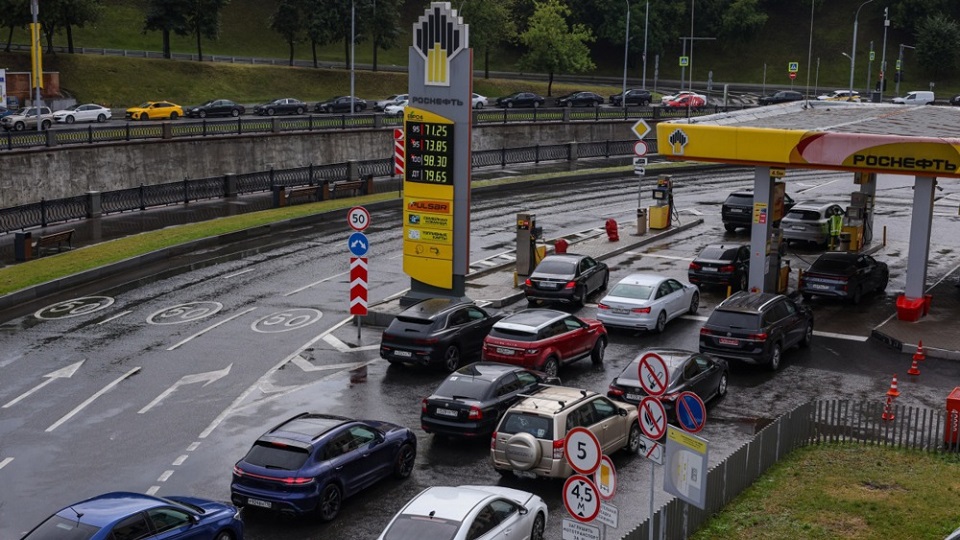
A year ago, it would have been difficult to imagine this: Russia, which ranks among the world's top three oil producers, is ordering gasoline from Morocco—a country that has no significant oil reserves of its own and typically imports raw materials for its own refinery in Tangier. A tanker with 30,000 tons of AI-92 fuel is already being unloaded in Murmansk, and this is not a one-time deal—it is a symptom of a systemic problem.
Why Morocco Specifically
The logic is straightforward. Morocco's Tangier refinery processes imported oil and traditionally supplies fuel to European and West African markets. For Russia, which has lost access to its usual European traders due to sanctions, Morocco has become one of the few directions from which gasoline can be purchased without political complications—and delivered by sea, bypassing the Bosporus.
According to Reuters, the supplier is Lukoil—a company that until recently exported fuel itself but now operates in the opposite direction.
The Scale of the Deficit
According to Reuters estimates, in early July, Russian refineries were meeting only 65% of seasonal gasoline demand. The daily deficit stands at 40,000–45,000 tons. One tanker from Morocco covers this in almost half a day. In other words, imports from Africa are not a solution to the problem but an attempt to buy time while authorities seek more stable supply channels: previously, Moscow has turned to Belarus, Kazakhstan, and India.
The Drone Effect
The cause of the deficit is not global market conditions but a specific Ukrainian campaign. Attacks by long-range drones have disabled more than 30% of Russia's actual oil refining capacity. The Financial Times reported that Ukraine has changed tactics: now the targets are not just any refinery facilities, but critically important components that are difficult to replace due to sanctions on equipment. This explains why the effect of strikes lasts for months rather than days, as was the case before.
The Export Ban Paradox
On July 30, the Russian government extended a ban on gasoline and diesel exports for another six months—to stabilize the domestic market. At the same time, the country is importing fuel from Africa. A state that prohibits selling gasoline abroad due to domestic shortages is buying it from places where it previously sold oil itself.
The question for the coming months is straightforward: will Morocco, Belarus, Kazakhstan, and India have enough surplus fuel to compensate for the daily deficit of 40,000+ tons if Ukrainian strikes on refineries continue at the same intensity?







