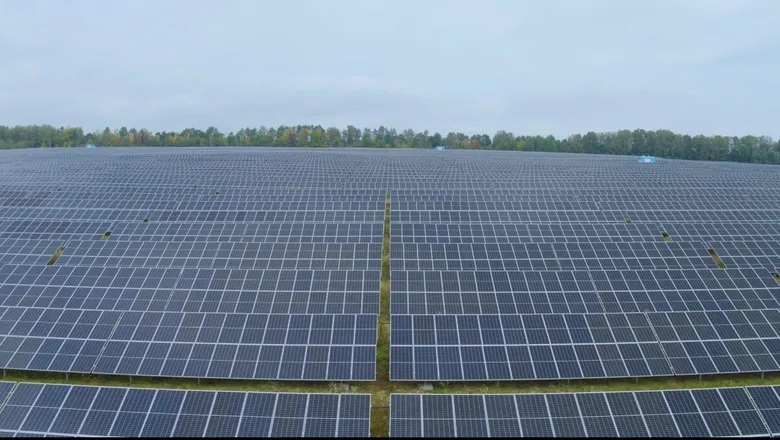
Ukraine's Antimonopoly Committee issued a permit to Saudi company FAS Energy to acquire four solar power plants belonging to SPP Development Ukraine and located in Kyiv region. The decision was published in the official AMCU register.
Deal details — price, facility capacity, closing timeframe — have not been publicly disclosed. The AMCU only confirmed the fact of concentration: a foreign investor gains control over Ukrainian energy assets.
Why Now
Solar generation in Ukraine is a specific wartime asset. On one hand, dispersed ground-based solar power stations are less vulnerable to missile strikes than large thermal or hydroelectric plants. On the other hand, they depend on grid stability and the "green tariff" mechanism, which Ukraine has revised several times since 2019, leaving some producers with accumulated state debt.
This is where the real conflict of the deal lies. SPP Development Ukraine, like most private solar operators, may have accumulated receivables for unpaid "green tariffs." If FAS Energy is buying the stations along with these state claims — this is one type of asset. If without them — another. There is no public data on the deal structure.
Who is FAS Energy
FAS Energy is a Saudi investment structure specializing in renewable energy in emerging markets. For Riyadh, entry into Ukrainian energy during the war looks like a bet on post-war reconstruction: assets are purchased at a discount to risk, but with revaluation potential after stabilization.
The International Energy Agency records growing investor interest from the Persian Gulf in European green infrastructure — Ukraine in this context becomes part of a broader geographic pivot.
Scale and Precedent
Four power stations in Kyiv region is not a systemic asset, but a precedent. This is the first publicly confirmed deal of Saudi capital acquiring operating generating facilities in Ukraine during the full-scale invasion.
Kyiv region as a location is no accident: the region is relatively restored after 2022, has developed grid infrastructure, and proximity to consumers.
If the structure of "green tariff" debt in this deal is not publicly disclosed by the time of closing — should the AMCU require it as a condition of the permit, rather than simply registering the fact of concentration?







