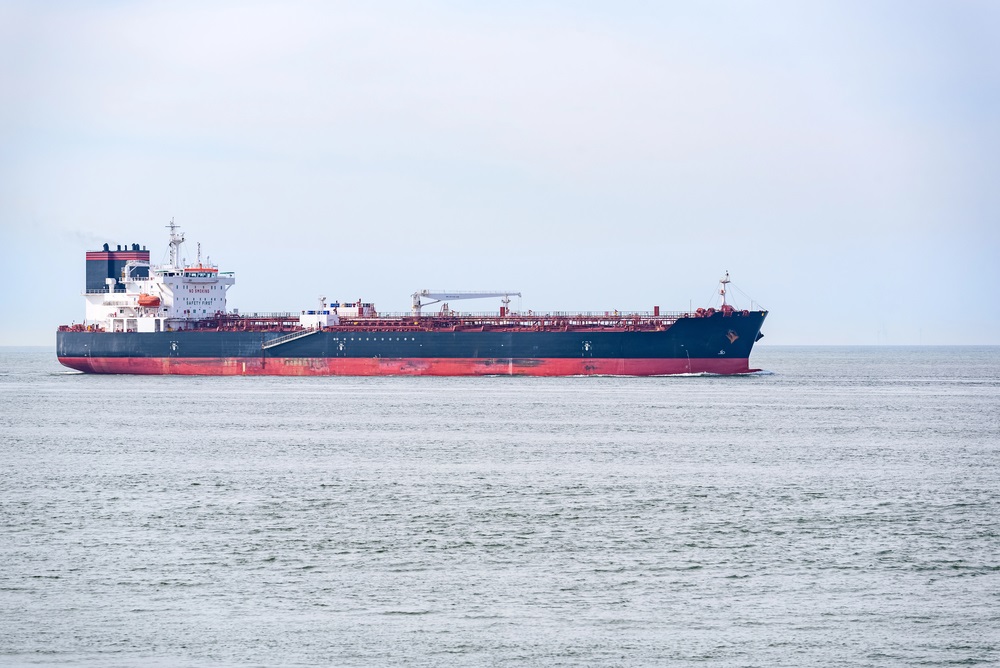
In the four weeks leading up to July 12, Russia was sending an average of 4.21 million barrels of oil per day by sea — only 10,000 barrels less than the absolute record since the start of the full-scale invasion, according to Bloomberg data. However, a record flow does not mean record revenue: oil is accumulating on tankers faster than it finds buyers.
Why Russia is exporting more but earning less
The mechanics are simple: if refineries cannot process oil — it has to go somewhere. According to estimates by the General Staff of the Armed Forces of Ukraine, as of early July, Ukrainian strikes had disabled 42.7% of planned Russian oil refining capacity. Over the past month, eight plants have been attacked, with more than 60 storage tanks destroyed or critically damaged.
"Systematic strikes on oil refining facilities have resulted in industry financial losses of approximately 13.5 billion dollars since August 2025."
General Staff of the Armed Forces of Ukraine, July 2026
Russia produced approximately 9 million barrels per day in May — nearly 700,000 barrels less than its own quota under the OPEC+ agreement, according to Bloomberg citing the organization's data. A reduction in production coupled with an increase in exports means one thing: domestic oil consumption — and primarily refining — has dropped sharply.
135 million barrels at sea — what does it mean
The volume of Russian oil aboard tankers is approaching 135 million barrels — nearly the maximum since the beginning of 2026. According to Bloomberg, the accumulation is occurring precisely because the pace of shipment exceeds the pace of delivery: buyers are either delaying confirmation of deals or negotiating lower prices.
Urals — Russia's main crude grade — is trading at a discount of approximately 2–3 dollars per barrel to Brent for supplies to India and China, Reuters reports citing traders. This is a stark contrast to April–May, when Urals traded at a premium of 7–8 dollars. Pressure is coming from two sides: weak demand from Chinese refineries and restrictions on the "shadow fleet" through sanctions.
- Average annual Russian maritime exports in 2026 — 3.49 million b/d, higher than any year since February 2022.
- The current rate of 4.21 million b/d exceeds this average annual level by nearly 20%.
- IEA notes: in June, global oil reserves "floating" surged sharply — precisely due to Russian volumes.
Sanctions and the "shadow fleet"
Russia has reoriented maritime supplies to a fleet with opaque insurance and registration. But the more barrels need to be moved — the more overloaded this fleet becomes, and the discounts Moscow is forced to give increase. According to estimates by Vox Ukraine analysts, the growth in logistics surcharge alone between the loading port and the destination port in India reached 18 dollars per barrel in early 2026 — before the current price collapse.
Bloomberg estimated the average price of Urals in June at approximately 62 dollars per barrel. However, Russian Finance Minister Anton Siluanov set 59 dollars in budget calculations as the lower threshold. If the price remains around 55–57 dollars — the budget model breaks down.
The tactical logic of the Ukrainian campaign is closed: strikes on refineries force Russia to dump crude rather than sell finished petroleum products with higher margins. The question is whether this model will withstand pressure if India or China do pick up excess volumes at a price that covers Russia's budget deficit — and when their refineries will reach full capacity after their own planned shutdowns.