What happened
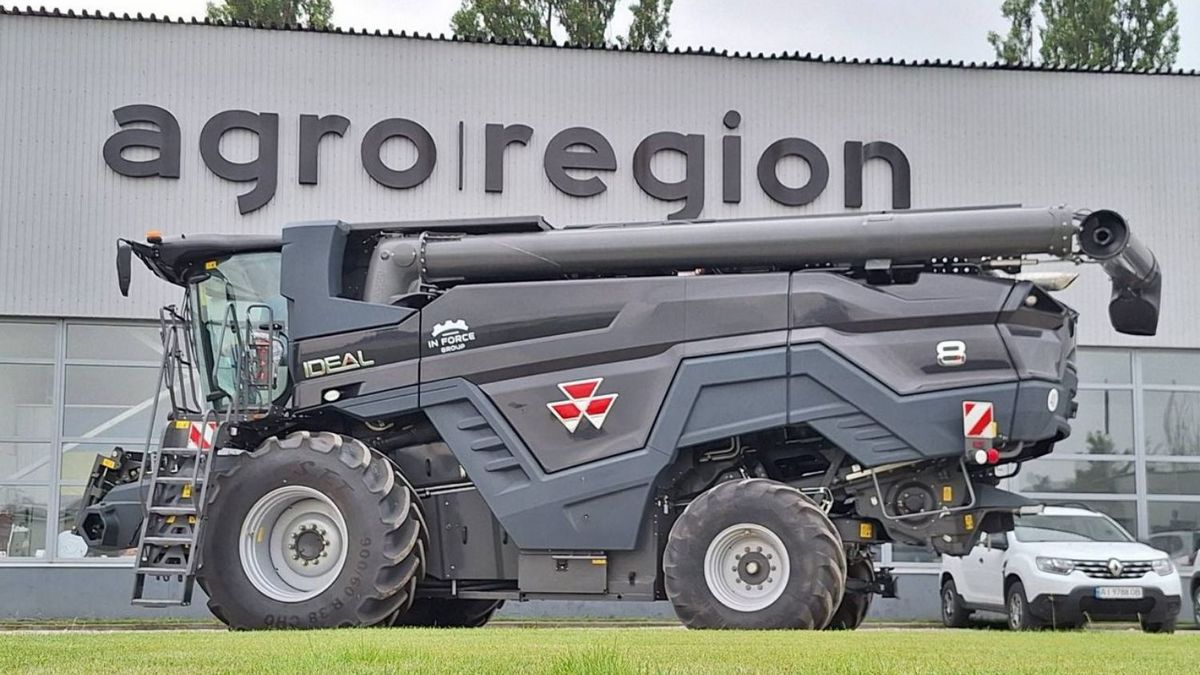
The Antimonopoly Committee of Ukraine (AMCU) has received from the Cypriot company Enselco Holding (Kapenata Limited), associated with Andriy Verevskyi, an application for approval to acquire the Agro-Region group of companies, owned by Aivaras Abromavicius. According to the agenda, Enselco intends to obtain control (>50% of votes) in nine Ukrainian LLCs: Garna Logistics, AR Ivky, AR Chudniv, AR Khmelnytskyi, AR Boryspil, AR Kozelets, AR Lyubar, AR Borzna, Bilyi Tsvit.
Currently these companies are formally owned by the Swedish Garna Stockholm Holding, beneficiaries — Lars Peter Elam Hokansson and Aivaras Abromavicius. Industry outlet Latifundist.com reported on January 7 that the deal envisages the purchase of the entire company together with corporate rights, the land bank, equipment and elevator capacities.
"The deal envisages the purchase of the entire company, including corporate rights, the land bank, equipment and elevators"
— Latifundist.com
Why it matters
The transfer of control over assets of this type should be given attention for several reasons: first, it affects logistics and storage capacity for harvests during export seasons; second, control over the land bank shifts the balance of power in the region; third, the scale of the deal (estimated by land brokers at roughly $100–110 million) indicates its significant economic weight.
Risks and potential benefits
Pros — vertical integration may increase transshipment efficiency and reduce logistical losses. Cons — increased market concentration could complicate access to elevators for independent farmers and strengthen the market power of a large player. That is why the AMCU's decision will carry more than formal significance: it will determine whether the deal proceeds without additional conditions or whether the regulator will impose restrictions in the interest of competition.
What’s next
Next — the review procedure at the AMCU. For citizens and market participants the key questions are: how the changes will affect the cost of export logistics, competition within the elevator network, and market access for small and medium producers. Whether this deal will strengthen a more robust Ukrainian agro-vertical will depend on the regulatory balance between infrastructure modernization and protection of competition.







