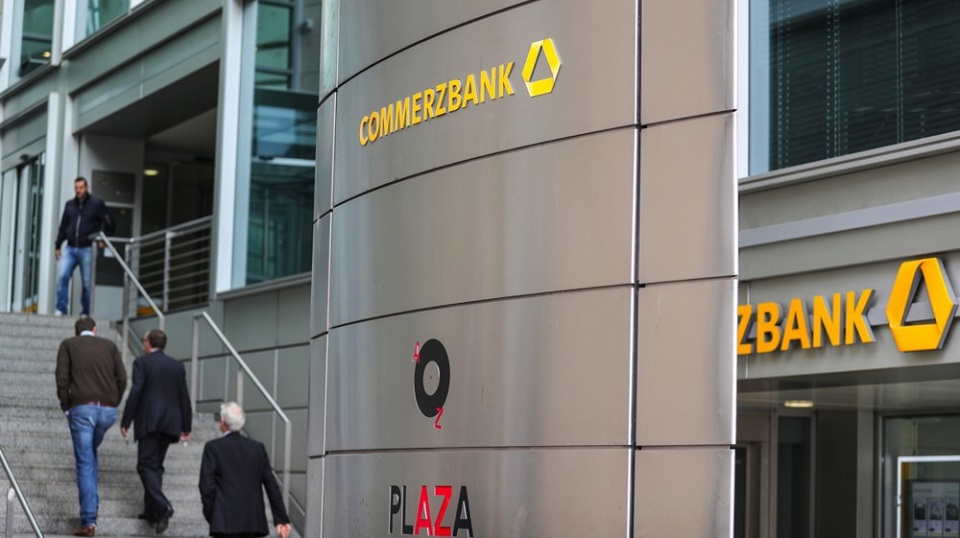
Chancellor Friedrich Merz stated clearly at a summer press conference on July 16: "Wir verhindern nicht diese Fusion" — Germany will not block the merger. This represents an official reversal from the position Berlin held for nearly a year after UniCredit unexpectedly entered Commerzbank's capital in autumn 2024.
How UniCredit took the bank virtually without consent
In September 2024, UniCredit purchased a share package from the federal government and simultaneously bought papers on the market — and overnight became the largest private shareholder of Germany's third-largest bank. After this, Berlin attempted to block further expansion, but legally stopping the deal proved impossible.
Currently, UniCredit controls approximately 44% of Commerzbank's shares — and awaits final approval from the ECB. Upon receiving it, the bank will hold nearly half and will be able to advance strategic decisions at shareholder meetings without a formal majority.
"We are not obstructing this merger"
— Chancellor Friedrich Merz, summer press conference, July 16
What Berlin now wants instead
According to Bloomberg, the government is forming a list of conditions for future negotiations — officially unplanned, but inevitable. Key demands:
- Mittelstand — preservation of lending to small and medium-sized businesses through Commerzbank's international network and trade finance;
- Employment — guarantees of jobs in Germany;
- Frankfurt as financial hub — preservation of headquarters and key operations on site.
The problem is that UniCredit's strategy directly contradicts the first point: the bank plans to reduce Commerzbank's international network with concentration on German and Polish markets. This very network is the instrument of trade finance for thousands of medium-sized enterprises that export outside the EU.
Why the stakes are higher than they appear
Commerzbank serves over 25,000 corporate clients and accounts for a significant share of Germany's foreign trade payments. For many family businesses, it is the only bank that understands their specific needs and has a network in partner countries. If UniCredit closes international branches — alternatives for such clients are not obvious.
The federal government still holds 12% of Commerzbank's shares — and this is precisely what gives Berlin leverage: as a shareholder, it can complicate further buyouts and potential minority squeeze-outs. The bargaining is not about the principle of the merger, but about the price of state silence.
UniCredit's exchange offer collected only 17.6% acceptances — independent institutional investors barely responded. This means that even without government obstacles, the bank does not have unquestionable market support.
If UniCredit agrees to written commitments regarding Mittelstand — this sets a precedent for all future cross-border acquisitions in the eurozone: entry conditions become not only regulatory approval, but also a social contract with the selling state. The question is whether such commitments will be honored after the ECB closes the case and Berlin receives money for its stake.







