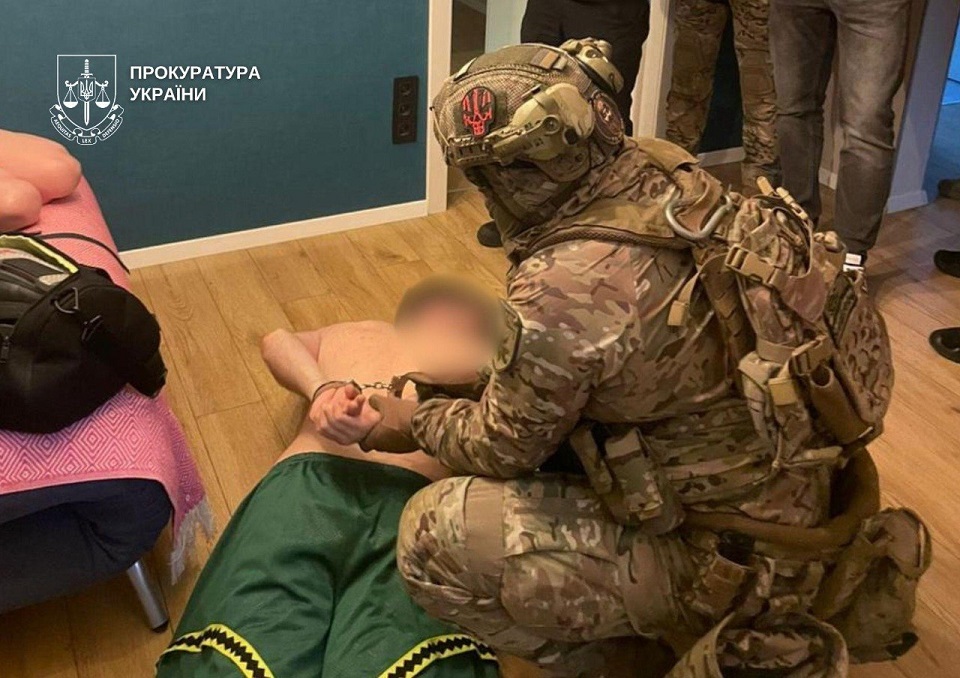
In Holosiivskyi district of Kyiv, seven residents of Dnipropetrovsk region were detained. Formally — organizers of a bot farm. In reality — participants in a scheme that operated for two years in a legal gray zone: it issued loans that the NBU recognized as illegal and demanded debts that, from a legal standpoint, did not exist.
Crypto as legal camouflage
The scheme was organized by a 34-year-old Dnipro resident. The group operated at least since 2023 through the BitCapital web service. Formally, loans were issued in Tether (USDT) — a cryptocurrency pegged to the dollar. However, as the National Bank of Ukraine established in February 2025, behind the cryptocurrency shell was ordinary hryvnia microcredit — without a license, without regulated interest rates, outside any consumer protection.
"The BitCapital service, formally providing loans in USDT, actually issued credits in Ukraine's national currency — hryvnia, bypassing all regulatory mechanisms established by law"
National Bank of Ukraine, February 2025
After the NBU's warning, the service did not cease operations. According to the investigation, the group continued its activities until February 2026.
How debt collection worked
After receiving a loan, the borrower found themselves trapped in unregulated interest rates and hidden fees. Then came collector pressure: threats, calls to relatives and colleagues. Among the victims, according to anti-collector lawyers, were military personnel — they were denied benefits and debts were collected in an aggressive manner.
The NBU officially recorded 700 victims. However, lawyers who handled cases against BitCapital insist: the actual number of victims is in the thousands. Most people did not complain because they either did not know their rights or feared publicity.
Seven suspects — and an open question about the platform
Seven people were served suspicion notices. They are charged with illegal lending and extortion. The group's organizer — faces a separate suspicion as the head of a criminal organization.
- Computer equipment, phones, and documentation were seized
- The suspects were in Kyiv, although registered in Dnipropetrovsk region
- The BitCapital web service was still accessible online at the time of arrests
The last point is key. Detaining perpetrators does not mean shutting down the tool. As long as BitCapital or its clones are accessible online, the next group willing to operate could launch an identical scheme within weeks — the NBU warned, police detained people, but the question for the domain registrar and hosting provider remains without a public answer.
If the Cyber Police does not block the service's technical infrastructure alongside the criminal proceedings — how much time will pass before "BitCapital 2.0" appears?