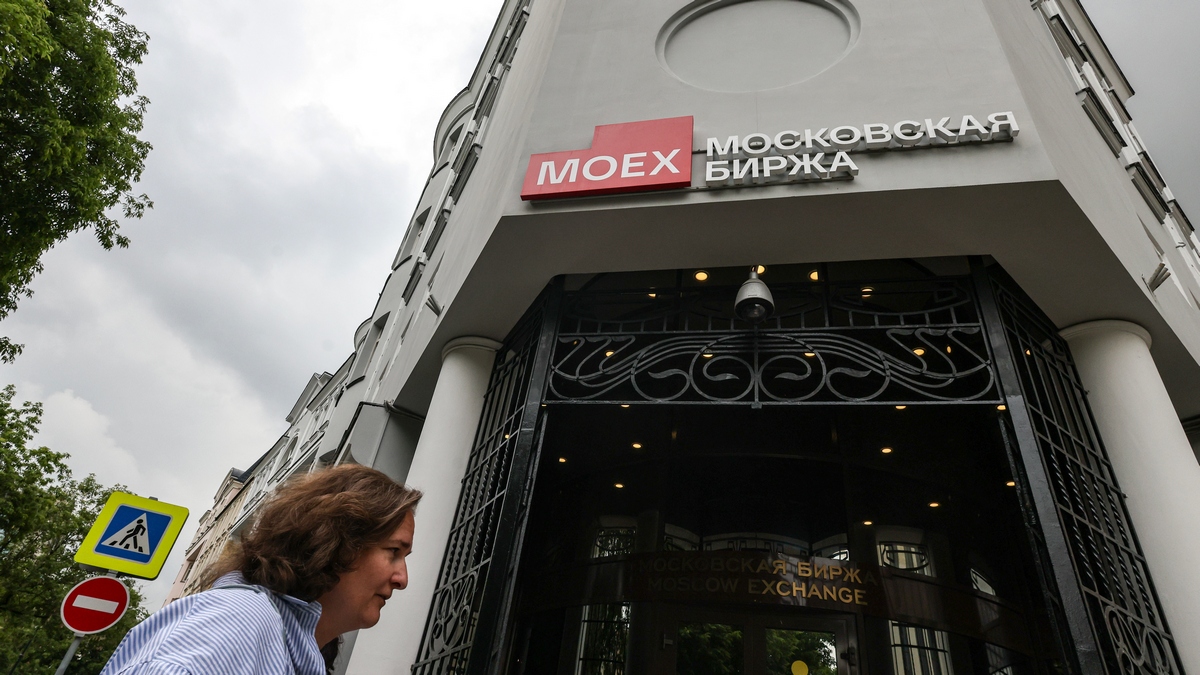
For millions of Russians who hold savings in stocks or mutual funds, Friday, August 14, turned into concrete losses: the Moscow Exchange index fell by 4.29%, to 2,136.35 points. This is the largest single-day drop since September 26, 2022 — the day when three of the four Nord Stream pipelines were blown up and just days after the announcement of "partial" mobilization.
The reason is not macroeconomics, but geopolitics, and it occurred on the eve of Putin's meeting with Trump in Alaska. Russia's Ministry of Defense gave reason to understand that the aggressor state rejected ceasefire proposals, and Foreign Minister Sergey Lavrov stated that an immediate halt to hostilities along the current line of contact was unacceptable, because it would mean "betraying the memory of our ancestors."
A Market Living on Hope for Peace
Freedom Global analyst Nataliya Milchakova briefly explained the collapse: the cause was "geopolitics." The logic is simple — when signals appear about a possible ceasefire, stocks rise; when the Kremlin publicly rejects such a scenario, money flees.
This is already the second such cycle in a year. In late spring and the first half of summer, the Moscow Exchange index experienced its longest decline since 1997 — 17 consecutive weeks. By late June, the market resumed growth, but now investors are again unwinding positions that were opened in anticipation of improved relations between Russia and the United States, noted strategist Yaroslav Kabakov of Finam.
In other words, private investors in Russia have been trading for years not on company financial indicators, but on the probability of peace — and they lose each time the Kremlin confirms its intention to continue fighting.
Behind the Exchange Facade — A Hole in the Budget
The fall in stocks is only the visible part of the problem. In early summer, Russia's Ministry of Finance and Central Bank, according to Bloomberg, warned Vladimir Putin that spending on the war against Ukraine threatened a dangerous expansion of the budget deficit. This means future taxes, inflation, and cuts to social programs — a bill that is ultimately paid not by oligarchs, but by ordinary citizens through rising prices and declining real incomes.
Reuters, citing sources in Russian business circles, reported that the business community sees a way out of the stagnation in which the aggressor state's economy finds itself only through the end of the war.
"The rally and enthusiasm on the Russian stock market after each piece of positive news about peace negotiations on Ukraine with U.S. mediation show what the actual response should really be," one executive of a large Russian company told the agency, asking to remain anonymous.
Mobilization Instead of Peace
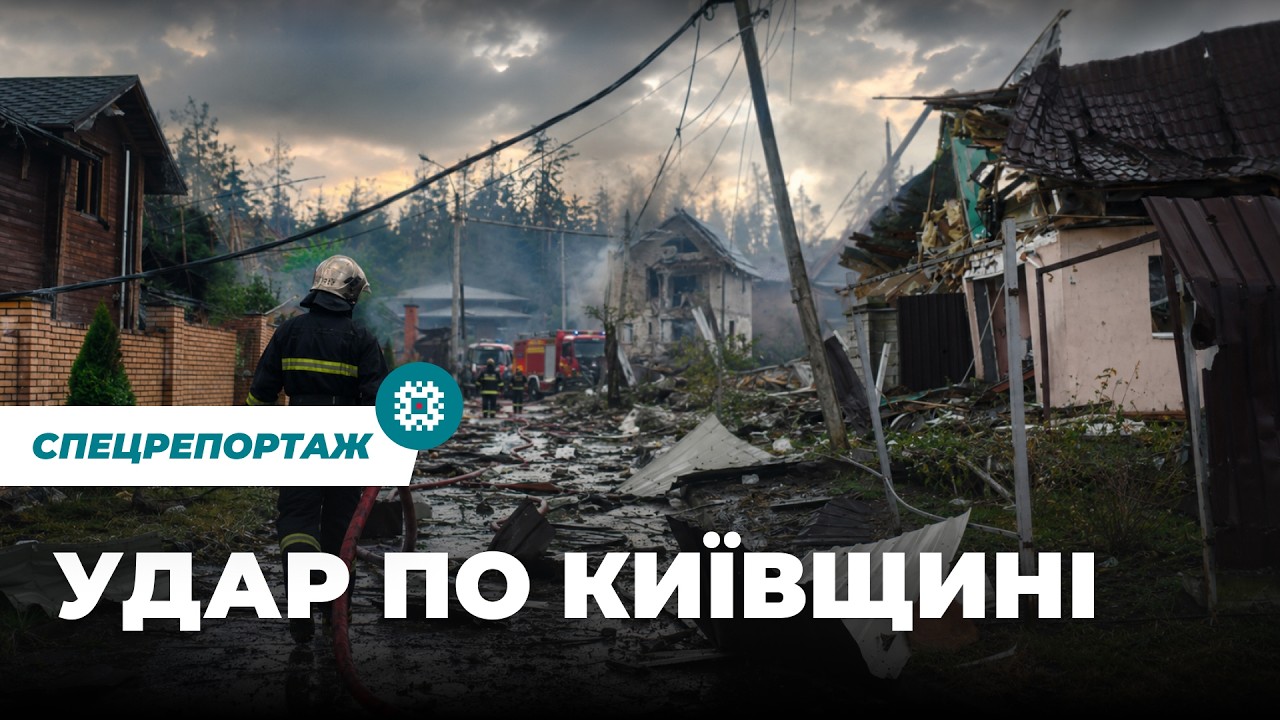
Market panic contrasts with the plans of Russia's military and political leadership. According to Ukrainian intelligence, the Kremlin does not want to stop the war and is preparing a new wave of mobilization for the fall — after the so-called State Duma elections.
- Andriy Yermak, head of the President's Office, believes that Ukraine's partners should budget for war expenses at least until 2027.
- For Russians, this means: another draft call, not the "victory" or "peace" that the stock exchange keeps hinting at.
Putin's meeting with Trump in Alaska could have been another occasion for a stock market rally. Instead, the precondition for it — a public rejection of a ceasefire — cost investors billions of rubles in a single trading day. The question that remains open is: will the economic cost of war — expressed now not in sanctions, but in the behavior of its own market — force the Kremlin to reconsider its calculations, or is Putin willing to continue sacrificing the well-being of Russians for the sake of the front line that he himself calls "the memory of our ancestors"?