Brief and important
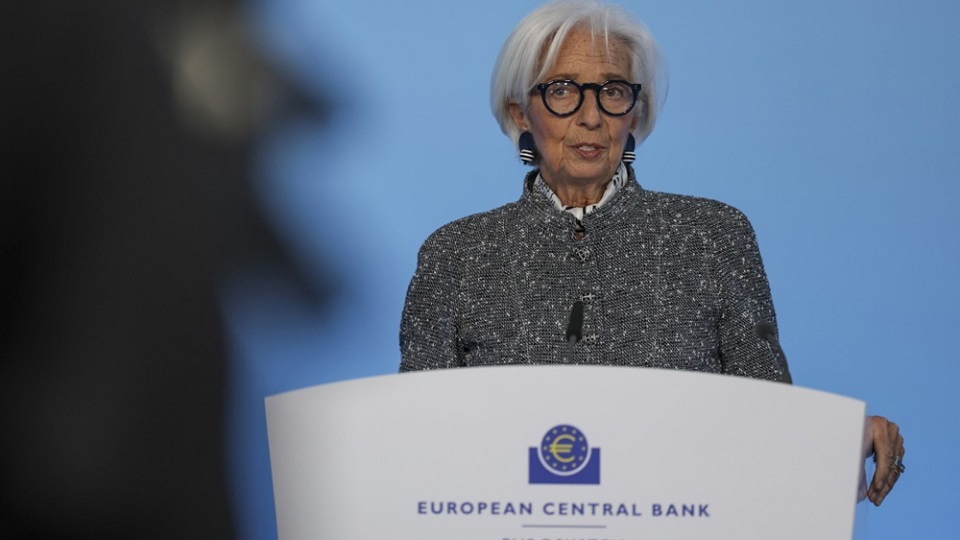
The European Central Bank (ECB) published an updated macroeconomic forecast for 2026 and three alternative scenarios of the impact of the conflict in the Middle East and a blockage of the Strait of Hormuz. The figures are not hypothetical: they determine inflation, GDP growth rates and households’ purchasing power on both sides of Europe. For Ukraine this is not an abstraction, but a direct channel affecting fuel prices, energy and inflation expectations.
What the ECB forecasts
In the baseline scenario the ECB expects a peak in prices in the second quarter of 2026 — around $90 per barrel of oil and about €50/MWh for gas, after which prices gradually decline. Even this variant implies increased inflationary pressure in 2026.
In the negative scenario, where there is a partial disruption of supplies via the Strait of Hormuz, prices could rise to about $120/barrel for oil and about €90/MWh for gas. And in the severe scenario — with deeper escalation — prices could reach $150/barrel and around €110/MWh for gas.
"The energy shock is the main driver of accelerating inflation, especially in 2026, when price increases may reach peak values."
— European Central Bank (in light of the forecast)
What the consequences are for inflation and growth
In the worst-case scenario the ECB estimates a peak in inflation in the euro area at 6.3% in Q1 2027. Higher energy costs gradually pass through to food, core goods and — via wage negotiations — to household spending. This creates so-called second-round effects that could keep inflation above the baseline forecast for several consecutive years.
How this affects Ukraine
The transmission channel is simple and fast: higher oil and LNG prices push up wholesale prices for fuel and energy, which are immediately felt by drivers and businesses. The National Bank is already recording price increases, and Ukrainian media have explained why fuel has become more expensive and what shortage risks exist (see LIGA.net). Lower real incomes reduce consumption and investment, weakening the economic recovery during the war.
What could mitigate the hit
The ECB emphasizes that the mentioned scenarios do not take into account the full response of monetary and fiscal policy — and it is these responses that can mitigate or amplify the effects. For Ukraine the key instruments are operational mechanisms to support vulnerable households, strategic fuel reserves, diversification of energy imports and international assistance to curb the fall in investment.
"In the worst-case development of events around the situation in Iran, inflation in the euro area could reach a peak level of 6.3% in the first quarter of 2027."
— European Central Bank (scenario assessment)
Conclusion
These are not just macro numbers for analysts — this is a scenario measured in fuel costs, utility bills and business inventories. The ECB provides a clear map of risks: from a temporary spike to multi-year inflationary pressure. For Ukraine the key question is how quickly policies can be adapted, supplies diversified and the most vulnerable households protected so that an external shock does not turn into an internal crisis. Whether there will be enough speed and resources will be decided by the government and partners in the coming months.