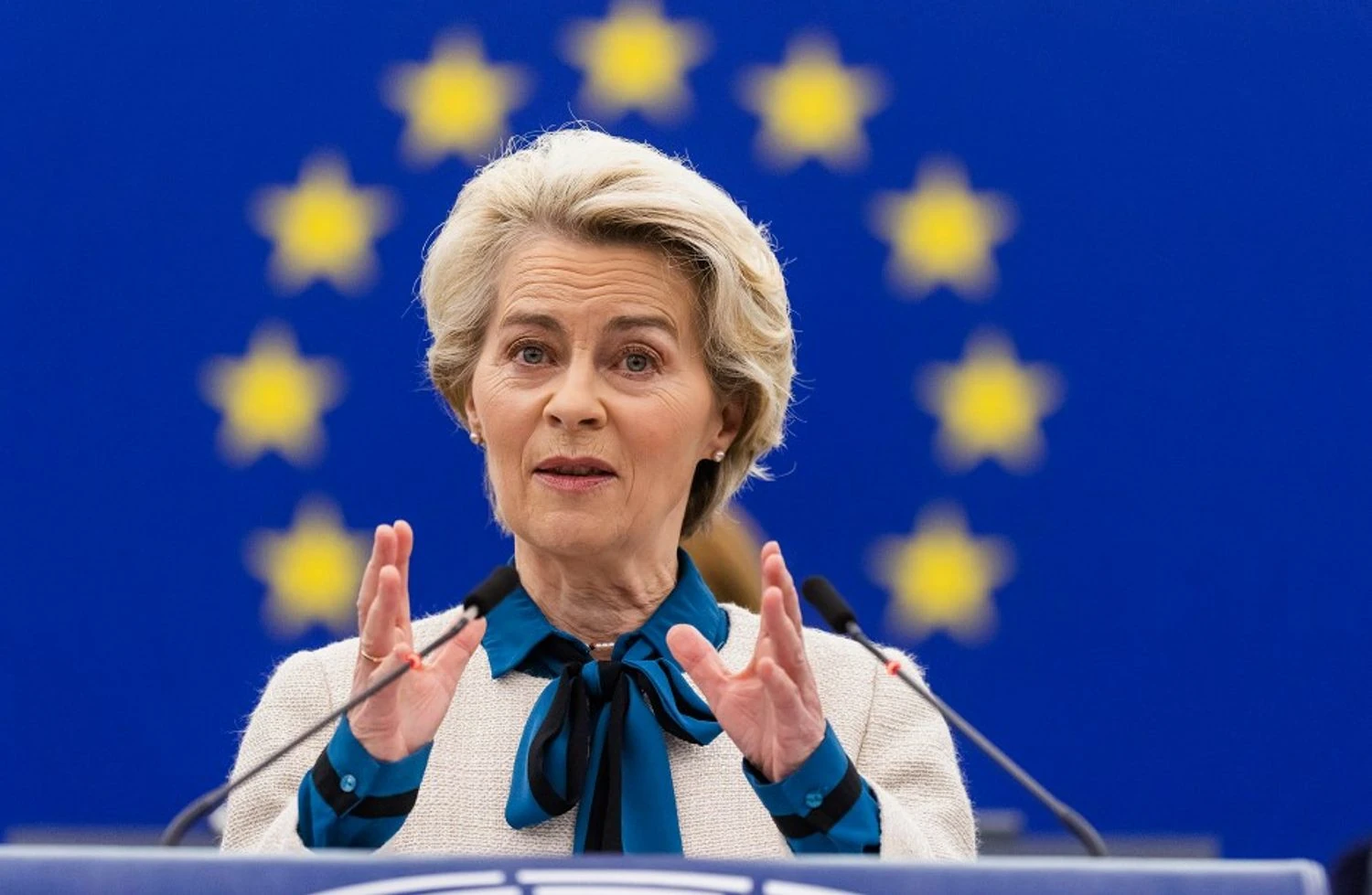
On Monday, June 15, the first intergovernmental conferences of the EU with Ukraine and Moldova will take place in Luxembourg. All 27 EU member states agreed to open the first negotiation cluster "Fundamentals." This was officially confirmed by European Commission President Ursula von der Leyen and European Council President António Costa.
What does "opening a cluster" mean
Opening is a legal recognition that negotiations have begun. However, it does not mean that requirements have been met. Cluster 1 covers five chapters: judiciary and fundamental rights, justice and security, public procurement, financial control, and statistics. It also includes three membership criteria: economic standards, functioning of democratic institutions, and quality of public governance.
A key characteristic of this cluster is that it opens first and closes last. According to EU methodology, progress on "Fundamentals" directly affects the advancement of all other clusters. The European Commission has established three levels of conditions: opening benchmarks, interim, and closing benchmarks — and the interim benchmarks exist exclusively for chapters 23 and 24, namely judicial reform and anti-corruption policy.
"The rule of law is one of the most important steps. Everything starts with it and everything ends with it."
Marta Kos, European Commissioner for Enlargement, during a visit to Kyiv on June 8
How 17 months of veto turned into "green light"
The European Commission recommended starting formal negotiations in January 2025. Orbán's Hungary blocked them — first citing the rights of the Hungarian minority in Ukraine, then simply stalling. In February 2026, Budapest again halted the opening of the first cluster.
The situation changed after Orbán was replaced by new Prime Minister Péter Magyar. According to Financial Times, he made the decision to lift the blockade on the evening of June 3 — after several weeks of negotiations between Kyiv, Budapest and Brussels and diplomatic pressure from other EU member states. According to Cyprus's Deputy Minister of Foreign Affairs — the country holding the EU presidency — Marilena Rauni, the decision is "a historic moment for both candidate countries and the EU."
Ukraine's Foreign Minister Andriy Sybiha, after meeting with Hungary's new Foreign Minister Anita Orban, stated: "We proceed from the assumption that clusters should be formally opened in June. This is not only about Ukraine — it is also about Europe's interests."
Where the declaration diverges from the mechanism
Opening a cluster is a public signal. Closing is a technical assessment. The European Commission checks not intentions, but effectiveness: whether NABU and SAP are independent from political pressure, whether there are real convictions in corruption cases, whether judicial reform is resistant to rollback. As noted by Member of Parliament Halaichuk, within the "Fundamentals" cluster, what is assessed is not the implementation of individual norms, but the overall effectiveness of reforms in the areas of justice, anti-corruption policy, and law enforcement.
Vice Prime Minister Taras Kachka told Forbes that Ukraine has "almost fully met the requirements for rule of law reforms." At the same time, analysts note: the judicial system remains vulnerable to corruption, and the effectiveness of punishment in high-profile cases is low. European Commissioner Kos announced the opening of the remaining five clusters in July — but this depends on how Kyiv consolidates the progress already recorded on paper.
- A cluster opens — if the European Commission recognizes the fulfillment of opening benchmarks
- A cluster closes — only after the fulfillment of closing benchmarks for each of the five chapters
- For chapters 23 and 24 — additional interim conditions apply that do not exist in any other cluster
- Any partial agreements are not final until a comprehensive agreement is reached on all clusters
The opening on June 15 is the first of six steps, each of which requires unanimous consent of the EU Council. If any member state again uses its veto right at the stage of closing the cluster, negotiating progress may stop even if all technical requirements are met. Will the reforms that Ukraine has implemented during the active phase of the war be sufficient to withstand not only the opening, but also the closing of the most complex cluster?





