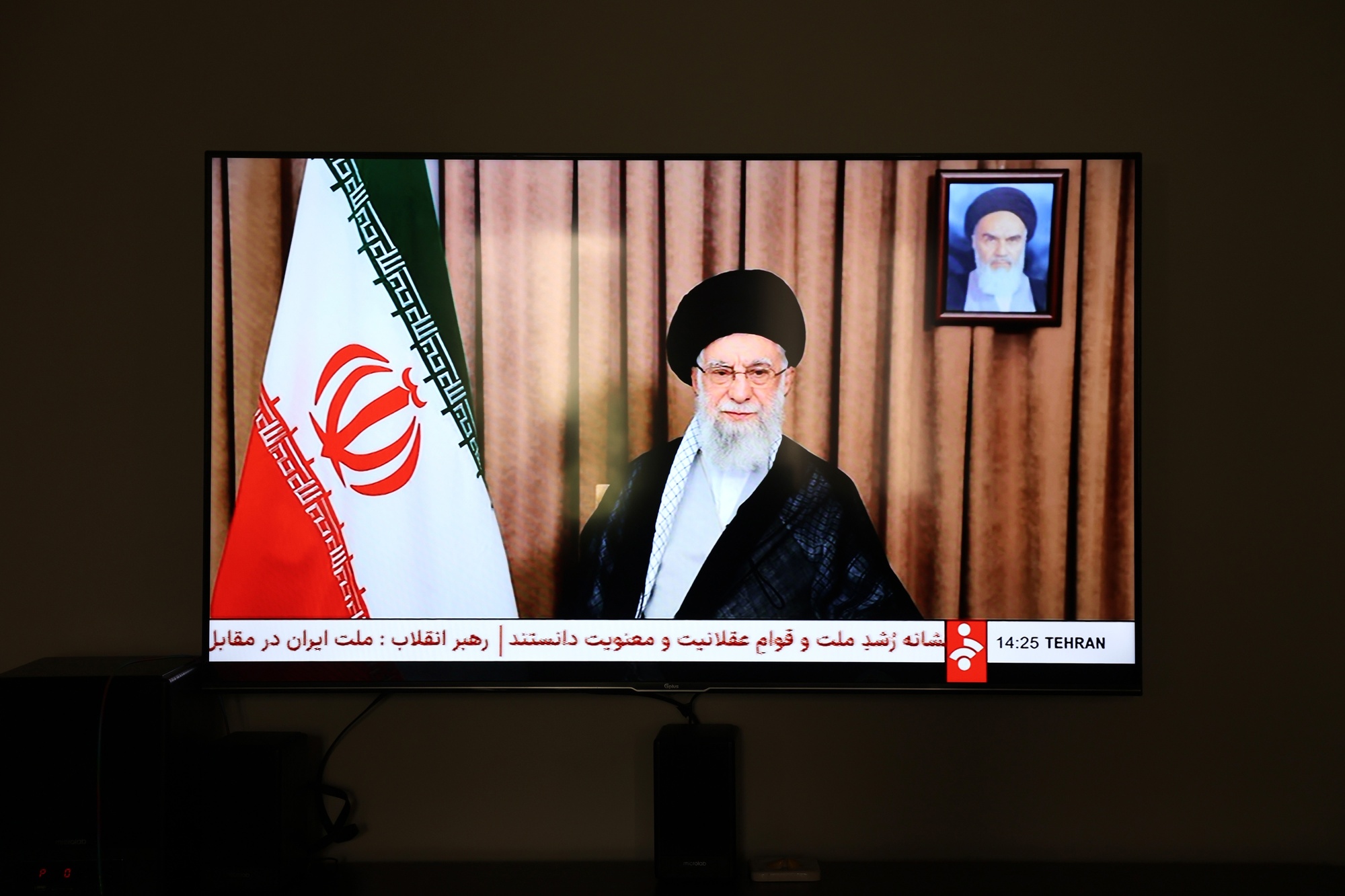
What happened
The outlet Axios, citing unnamed sources in government circles, reported that President Donald Trump was presented with military options, one of which allegedly includes the elimination of Iran’s Supreme Leader Ali Khamenei and his son — a likely successor. At the same time, the piece mentions a diplomatic option: the administration is reportedly prepared to allow Iran “symbolic” uranium enrichment, provided it does not leave pathways to building a bomb.
What sources said
"President Trump will be willing to accept a deal that is substantial and that he can politically sell at home. If the Iranians want to avoid an attack, they must make us an offer we cannot refuse. The Iranians keep missing the opportunity. If they play games, patience will run out"
— an American senior official, quoted by Axios
"What the president will choose, no one knows. I don't think he knows"
— an administration adviser, quoted by Axios
Context and facts to remember
The source of the piece is Axios; additionally, Iran International reported on January 25 that Khamenei had moved to an underground bunker due to fears of a U.S. strike. Also, on January 17, 2026, Donald Trump called for an end to Khamenei’s rule amid mass protests in Iran — this is not mere rhetoric, but part of broader pressure that helps shape the list of options.
Why this matters for Ukraine and for Europe
First risk — escalation in the region, which could distract partners and complicate arms deliveries and diplomatic support. For Ukraine’s security, sustained Western attention is critical.
Second risk — ripple effects through proxy groups and energy instability. Even the perceived level of threat alters markets and allies’ plans.
But there is another side: willingness to consider a wide range of options demonstrates Washington’s resolve, which can serve as a deterrent to those seeking escalation. Analysts note: showing options is a pressure tool sometimes intended to push an opponent toward a political compromise without the direct use of force.
What’s next
No decision has been made yet; the article implies that options remain open. For Ukraine it is important that partners remain consistent: security declarations should be backed by clear mechanisms of support so that external crises do not reduce the coalition’s capacity to assist Kyiv.
Conclusion
Axios’s report is a signal that the highest echelons of decision-making are working through extreme scenarios. This does not mean an operation is inevitable, but it underscores the instability of the situation. The practical question remains: will political pressure turn into real action — and what consequences will that have for regional stability and for Ukraine’s security?





