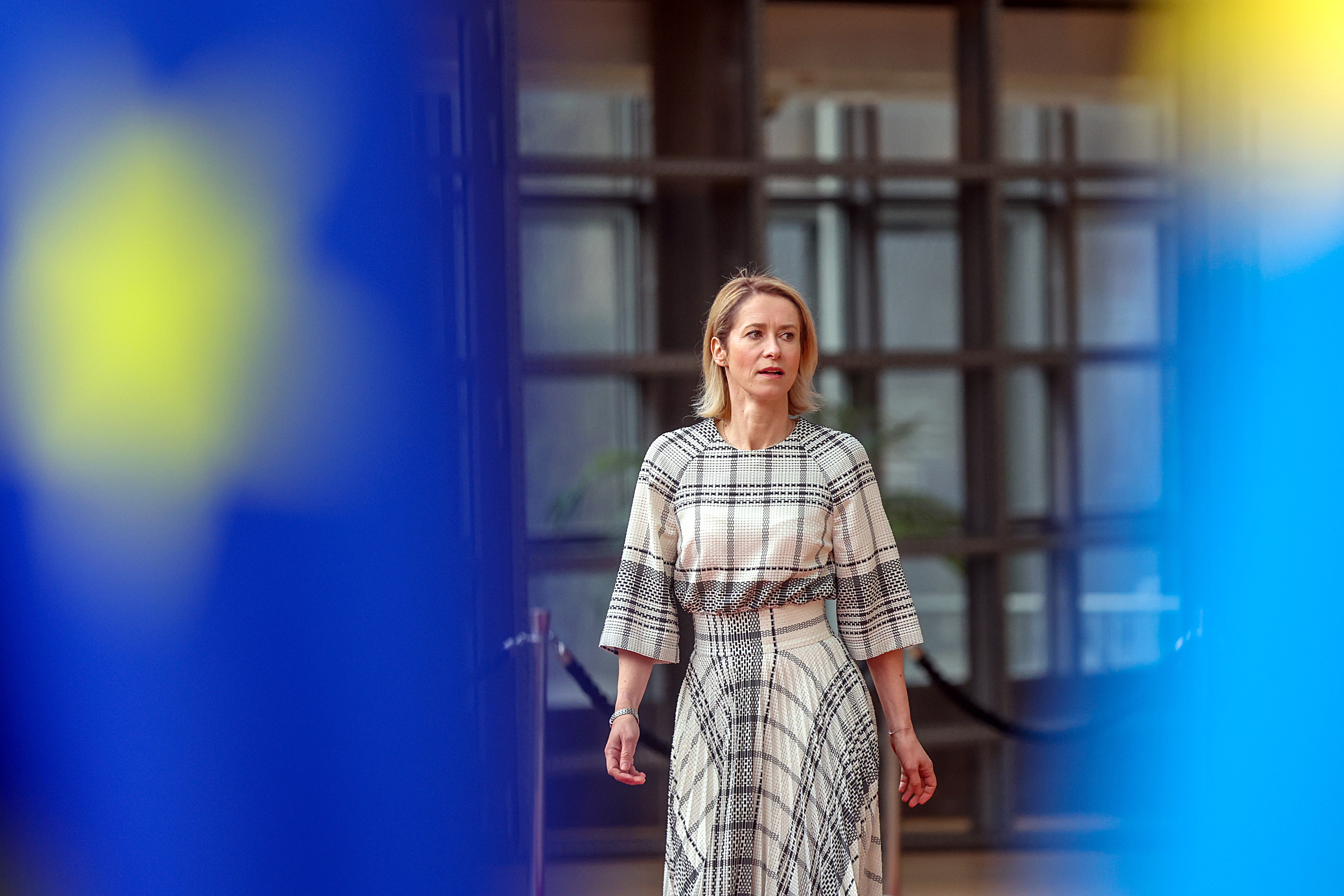
Kaja Kallas is the most logical candidate for the role of European negotiator with Russia in terms of the position. Yet at the same time, according to Politico citing three euro-diplomats, she has effectively disqualified herself from this role. "Unfortunately, she has disqualified herself," said one senior EU diplomat.
The problem is not in the position — it's in perception
The official reason is Kallas's harsh anti-Russian rhetoric, which makes her unacceptable to Moscow. But there is also an internal dimension: according to Politico, she has tense relations with Ursula von der Leyen, who is gradually taking on functions traditionally belonging to the EU's diplomatic service. Some member states — notably Slovakia — openly demand her resignation, citing "hatred of Russia."
The paradox is that just a week earlier, Kallas stated that she wanted to personally represent Europe in dialogue with Russia. In other words, a week passed from claiming the role to self-exclusion.
Three names, three problems
Brussels is searching for an alternative. Politico and Der Spiegel name three main candidates — and each has structural flaws.
- Angela Merkel. Knows Putin and Zelensky personally, speaks Russian — these are real advantages. But past mediation failures (Minsk agreements, Nord Stream) are considered by many in Europe sufficient grounds for disqualification. Merkel's office confirmed: no official requests were received, and they did not respond directly to questions about readiness to serve as a mediator.
- Alexander Stubb. Finland's president has publicly called for direct negotiations between Europe and Putin and has good relations with Trump — which in the current context is an asset. But Finland's NATO membership reduces his attractiveness to Moscow, and he does not yet have broad support within the EU.
- Mario Draghi. Former ECB head and Italian prime minister is perceived as the most neutral figure. But he has never publicly expressed his readiness.
Schröder: Putin's candidate
On May 9, after a military parade in Moscow, Putin called former German Chancellor Gerhard Schröder the "best candidate" for negotiations between Russia and Europe. Kallas responded sharply: given his lobbying for the interests of Russian state companies, Schröder "would be sitting on both sides of the negotiating table at the same time."
"This does not look like a serious diplomatic proposal, but rather an attempt to feign readiness to talk — and sow new discord in Europe."
A diplomatic source cited by European media
Berlin responded with restraint: an AFP source in the German government called Putin's proposal part of an information game rather than real diplomacy. According to German media, the Scholz government is not yet ready for negotiations — because Moscow's demands have not changed.
A role without a mandate
A key detail that is easy to overlook: the role itself does not yet exist. There is neither a formal EU decision to create the position of special negotiator, nor a defined mandate, nor a mechanism of accountability to member states. What is being discussed is not a candidate for a position — it is whether the position is needed at all.
This means that any name on the list is, for now, speculation rather than a diplomatic process. And therein lies the real conflict of the moment: the European Union feels pressure to enter the negotiating space, but has neither a common position nor a person who could represent it.
If the EU does not determine its candidate and mandate before the United States and Russia sit down at the table without Europe, — the question of Brussels' role in any future settlement will answer itself.





