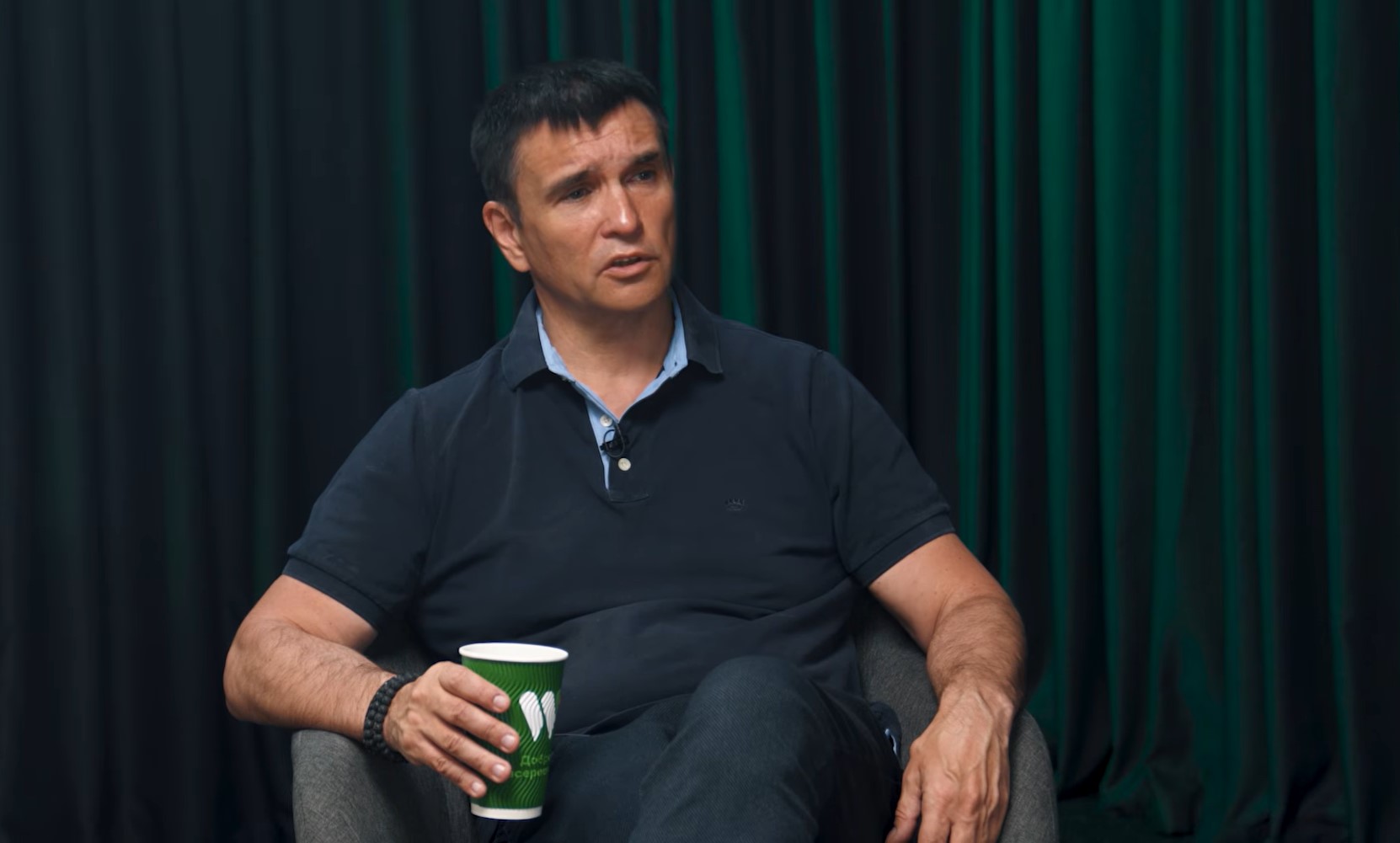
Pavlo Klimkin, who headed Ukraine's Ministry of Foreign Affairs from 2014 to 2019, has publicly rejected the model of Polish-Ukrainian reconciliation that has been considered workable for decades. According to him, the formula "we forgive and ask for forgiveness" — the same one that in 1965 allowed bishops of both countries to take the first step toward rapprochement — no longer corresponds to reality.
"We will not return to a reality where this formula works," Klimkin stated, while clarifying that he considers dialogue between Ukrainians and Poles "possible and important."
Here lies a principled break. Rejecting a ritualistic gesture is not yet a rejection of conversation. But it immediately raises the question: on what basis then? Mutual forgiveness presupposed symmetry — both sides acknowledge guilt, both ask for forgiveness. The new framework proposed by Klimkin does not contain this symmetry, at least not publicly.
Context matters. The Polish-Ukrainian historical dispute — primarily the Volhynia tragedy of 1943 — has become increasingly acute in recent years. Warsaw insists that Ukraine recognize the events as genocide of Poles; Kyiv avoids this formulation, emphasizing mutual violence and the complexity of the situation at the time. Against this backdrop, any public statement by the former minister gains the weight of an official position, not merely a personal opinion.
Klimkin did not detail what dialogue model he considers acceptable. This is either caution or a lack of a ready answer — both variants are equally revealing for a person with his experience.
For Ukraine, the question is not purely symbolic. Poland remains a key transit corridor for weapons, one of the most powerful lobbyists for Ukrainian interests in the EU and NATO, and simultaneously a domestic political player where the Volhynia issue regularly appears in election campaigns. The rift between strategic partnership in the present and an unsettled historical account is not an abstraction but a daily operational burden on the diplomacy of both countries.
The question left open by Klimkin's position is this: if the old formula does not work, and the new one has not yet been formulated — is meaningful dialogue possible before Ukraine publicly defines what exactly it is prepared to acknowledge and what it is not?