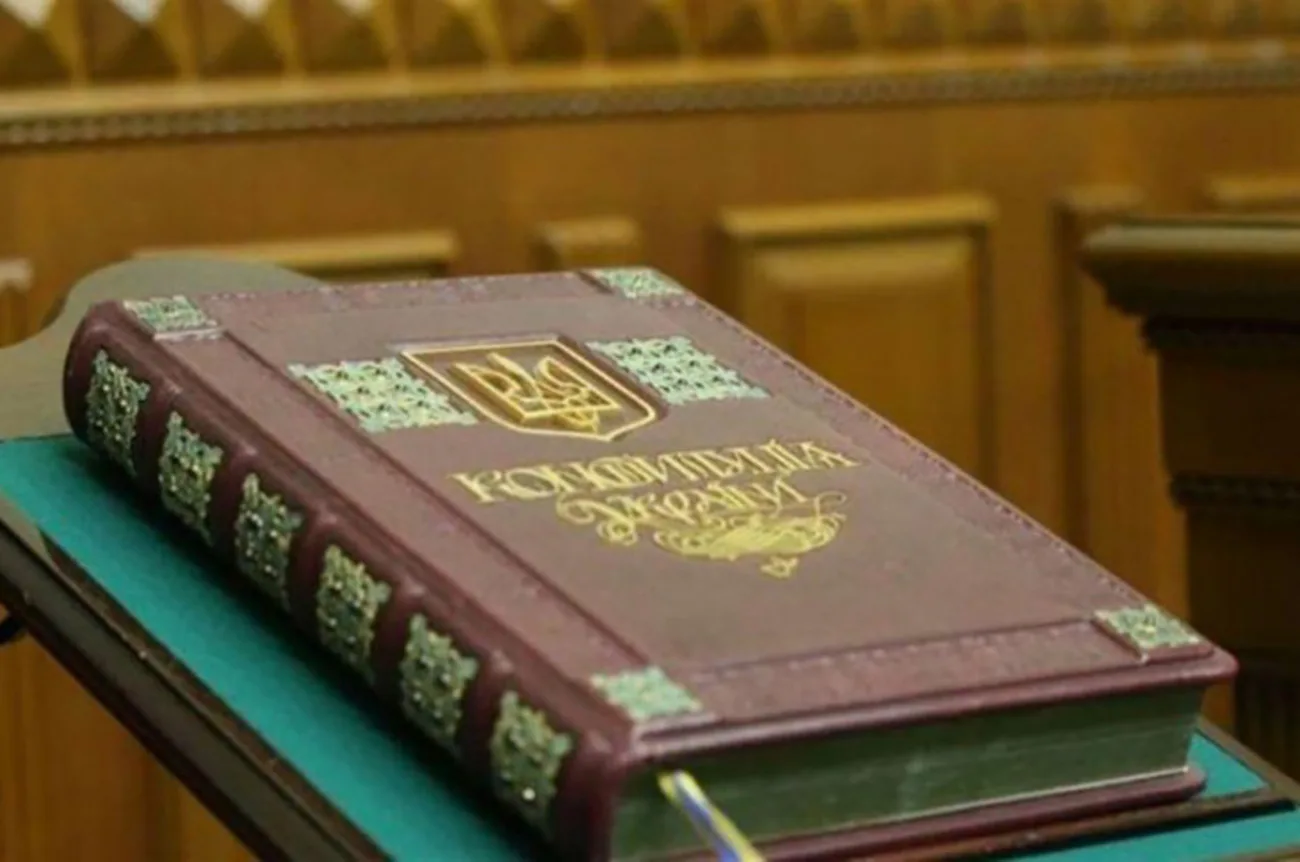
On June 28, 1996, the Supreme Rada adopted the Constitution following nearly a 24-hour continuous session. Twenty-nine years later, the document remains vital: it is now in its third year of regulating what the state can do with citizens' rights — and what it cannot do even during a full-scale war. The difference between these two categories is practical, not ceremonial.
What can be restricted — and what cannot
The Constitution explicitly provides: under martial law, the state can temporarily restrict rights enshrined in Articles 30–34, 38, 39, 41–44, 53 — these include the inviolability of the home, privacy of correspondence, freedom of movement, the right to strike, certain property rights. The decree of February 24, 2022, on the introduction of martial law references precisely these articles.
But there is a list that the state has no right to touch under any circumstances. Equality before the law, the right not to be deprived of citizenship, protection from torture, the right to defense in court — the Constitution places these norms outside the scope of any emergency powers.
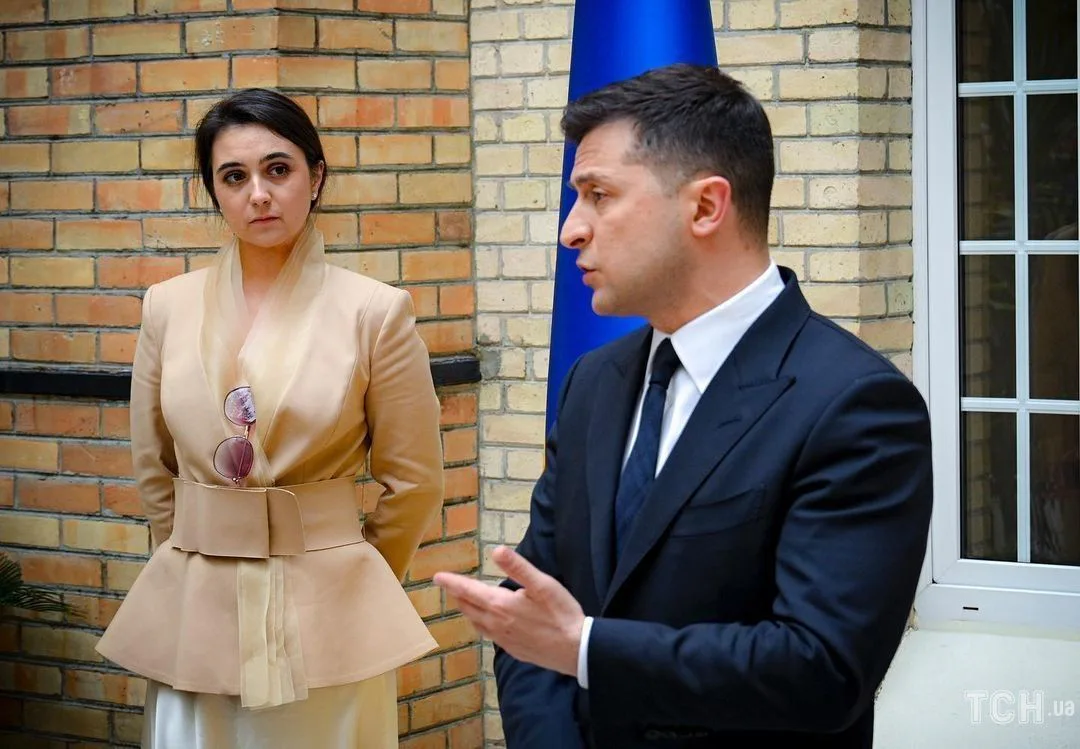
"The Constitution clearly states that when there is a legal regime of martial law, restrictions on the rights and freedoms of Ukrainian citizens are permitted."
Dmitro Lubinets, Ombudsman of the Supreme Rada, Radio Liberty
Where real conflict arises
Lubinets provides a concrete example where norms already contradict each other: the martial law law prohibits mass gatherings, whereas any election campaign is physically impossible without campaign meetings. Two laws in effect simultaneously pull in opposite directions — and so far, the one that restricts prevails.
This is not an abstract legal puzzle. Over three years of full-scale war, hundreds of cases — from challenging mobilization decisions to protecting displaced persons' property — have foundered on precisely this wall: people did not know which rights they had left and which the state had legally suspended.
Constitution as an instrument, not a symbol
The Ombudsman notes: Ukrainians know socio-economic rights the least — the right to free medical care in state facilities, protection from unlawful dismissal, judicial protection against officials' actions. These very rights are not included in the list of temporarily restricted ones, but in practice are rarely realized — due to ignorance, not martial law.
- Article 55 — the right to challenge any decision by a government body in court. Not restricted by martial law.
- Article 59 — the right to legal assistance, including free of charge. Not restricted.
- Article 28 — prohibition of torture and cruel treatment. An absolute norm — cannot be overridden by anything.
The Ukrainian state is built on a document that its authors wrote all night and that most citizens have never read in full. According to human rights organizations, it is precisely the ignorance of their own rights — not their absence — that is the main reason people do not defend themselves.
If, after the end of martial law, restricted rights are restored automatically — the Constitution guarantees this. But will the practice of exercising them be restored if, over three years, it never took hold?