A year and two months ago the situation looked critical
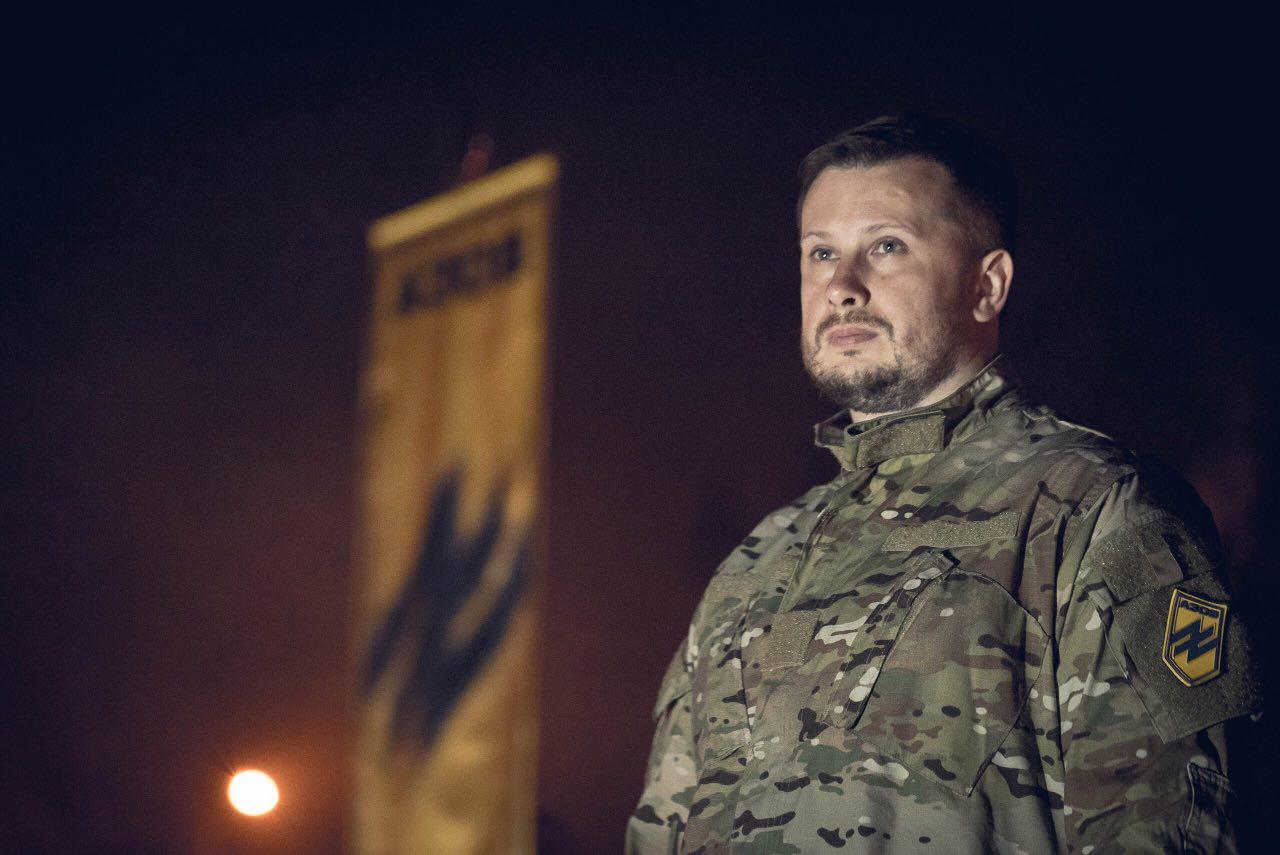
When the Third Army Corps took over a 160-kilometer stretch of the front line, Russia was seizing 60 kilometers of territory every month. This was revealed by the corps commander, Brigadier General Andrii Biletsky, in an interview with American blogger Lori Loomer. According to him, nine months ago the enemy's advance was completely halted, and on certain sections Ukrainian units are already retaking positions.
A question naturally arises: what changed during this time if neither the number of Russian fighters nor the volume of its resources decreased?
Betting on sergeants, not equipment
Biletsky named three components that produced results — and none of them involve purchasing new weapons. First: a transition from rigid centralized control to teamwork, where officers and soldiers have space for initiative. According to the general, instilling such a culture in old-school officers proved difficult.
The second component is systematic training of the sergeant corps, a link that Biletsky called the weak point of all post-Soviet armies compared to Western military philosophy. Over the course of a year, the Third Army Corps trained several thousand sergeants, which, according to the commander's assessment, dramatically changed the effectiveness of units on the ground.
Only third on the list comes technology: the number of drone pilots in the corps tripled. But the general himself warns against technological fetishism.
"Effectiveness depends not on the number of pilots or drones, but on the control system and planning system. Without the first components, the technological component doesn't work," Biletsky emphasized.
Historical argument instead of front-line statistics
Explaining why a resource advantage doesn't guarantee victory, Biletsky turned to examples that extend beyond the current war — ancient conflicts and the American War of Independence, when the Continental Army was inferior to the British Empire in all measures of power.
"If that were the case, countries would count their own potential and the weaker side would automatically surrender without suffering any losses," the general said about the dependence of victory on resources.
The logic is simple: if wars were won solely by the larger army, conflicts wouldn't exist at all — sides would simply calculate their chances beforehand. Instead, according to Biletsky, history knows hundreds of cases where the weaker side won through effectiveness rather than mass.
What this means for the rest of the front
The experience of one corps is not an automatic formula for the entire army. Centralized control, a deficit of trained sergeants, and slow implementation of bottom-up initiative are systemic problems, not local ones. The question is whether the Third Army Corps model will become a pilot example for management reform in other units, or will remain an exception that proves the general rule.
- In February 2025, the Armed Forces command announced a transition to a corps-based system of military command and control.
- The Third Separate Assault Brigade officially became the Third Army Corps in March 2025.