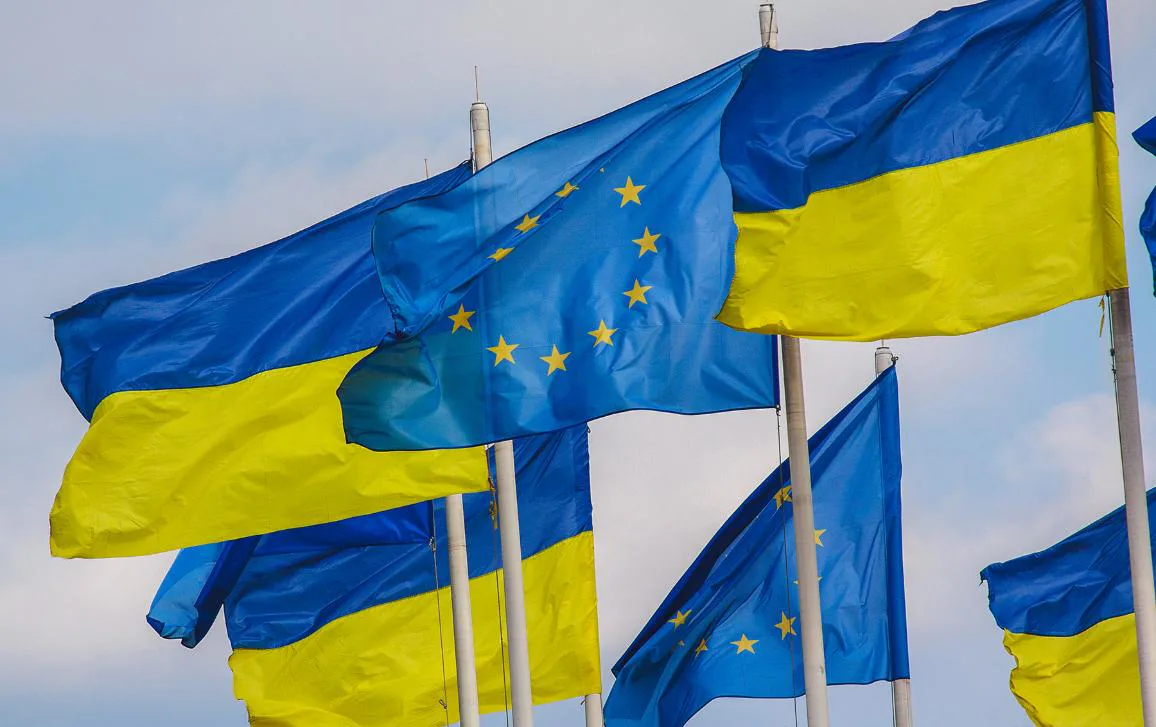
On June 4, 2025, Hungary lifted its 17-month veto at an EU ambassadors' meeting in Brussels. Eleven days later — on June 15 — Ukraine and Moldova officially opened the first negotiating cluster. Kyiv and Brussels characterized this as a breakthrough. However, behind the scenes, as reported by Politico citing EU diplomats and officials, tensions have accumulated that celebratory statements do not ease.
What is Cluster 1 and why is it key
The first cluster — "Fundamentals" — covers five chapters: rule of law, judicial reform, anti-corruption, minority rights, and public administration. According to the rules of the negotiation process, it opens first and closes last — meaning it is essentially the framework for the entire negotiation trajectory.
As the EPC analytical center's Euro Committee documented, progress precisely in "Fundamentals" will determine the overall pace of negotiations, and the European Commission will conduct special monitoring of judicial reform and anti-corruption policy. In other words, rapid opening of a cluster is not the same as rapid progress.
Where specifically things are stuck
Ukraine fears a "parking" scenario — when negotiations formally continue but there is no real movement due to external political factors. Politico points to presidential elections in France as one such risk. But there are also structural ones: EU diplomats identify questions about the pace of reforms, and the European Council in the conclusions of the June 26, 2025 summit cautiously formulated — "opening of clusters, when conditions are met", without specific dates.
"We waited so long, and now history is unfolding like on a roller coaster."
Anonymous European diplomat, negotiations participant — Financial Times
A separate knot is the Hungarian minority in Ukraine. New Hungarian Prime Minister Péter Magyar lifted the veto, but German Chancellor Merz, when meeting with Orbán, emphasized: bilateral issues should be resolved separately from accession negotiations. This means Budapest could return with the same demands in a different format.
Reforms during war: actual state
According to EPC's assessment, Ukraine is not starting from scratch: the Association Agreement has already provided a certain level of readiness in most areas. Anti-corruption bodies function — but their capacity and reputational evidence base require further strengthening.
Meanwhile, public administration is weakening due to personnel shortages, insufficient funding, and brain drain. The public administration reform roadmap envisages new strategies only for 2026–2030 — meaning even plans have yet to be implemented.
- Judicial reform — Commission monitoring priority, progress uneven
- Anti-corruption — bodies exist, but track record insufficient
- Minority rights — formal reason for Hungarian objections, actually a pressure lever
- Public administration — strategy after 2026, now — personnel deficit
Summary without embellishment
Opening Cluster 1 is a change in the legal status of the process, not a change in its pace. The European Council in June 2025 set no deadlines for next steps, deferring the matter "to the next meeting." Ukraine's goal — to complete negotiations by the end of 2028 — is technically possible, but requires "Fundamentals" to be closed well before mid-decade.
If by the end of the Polish presidency (June 2025) the Commission does not establish specific benchmarks for closing the first cluster — rapid opening of other clusters will only stretch negotiations without bringing actual accession closer.





